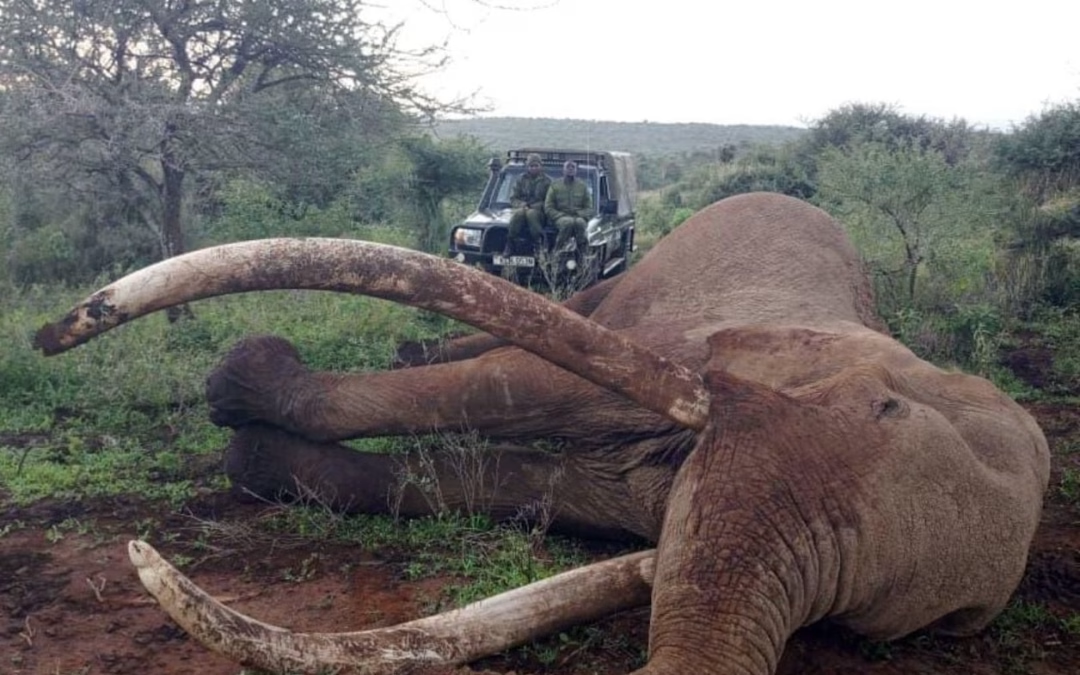
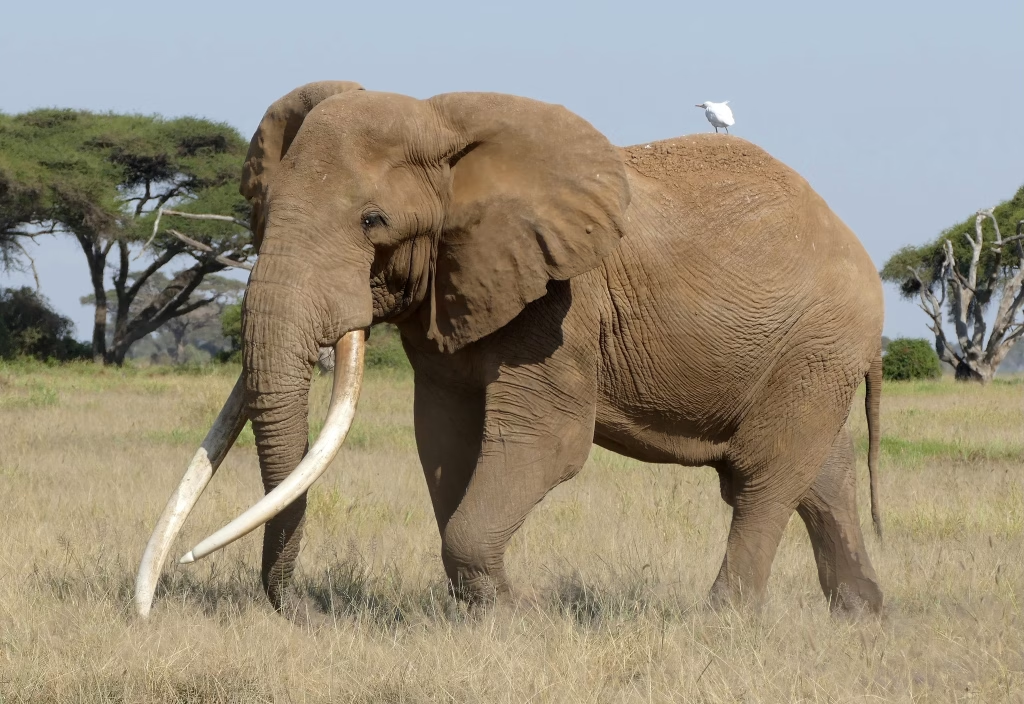
Craig, the Amboseli elephant and the celebrated super tusker, died early Saturday, Jan. 3, 2026, officials said. Kenya Wildlife Service confirmed the death in Amboseli National Park after rangers found him motionless. Craig was 54, and among Africa’s last bulls with ground-sweeping tusks. Conservation groups said he likely died of natural causes, after months of age-related digestive trouble.
His passing closes a long chapter for Amboseli, where the Craig drew tourists and pride from local families. Amboseli Trust for Elephants traced his birth to January 1972, to Cassandra of the CB family.
Craig Death Confirmed
The Kenya Wildlife Service said Craig died within the Amboseli ecosystem, near community land that borders the park.
Big Life Foundation said he had shown serious digestive issues, and age makes recovery hard for bulls. Officials did not report signs of poaching, and his tusks remained intact.
Early this morning, Amboseli National Park, Kenya – and indeed the world – lost a true icon. Craig, the legendary super tusker famed for its immense,… pic.twitter.com/4Xnl5uwNPv
In Kenya, poachers have long targeted big tuskers, so his peaceful end felt like a rare relief.
A life shaped by the CB family
Craig belonged to the well-studied CB family, a lineage followed for decades by researchers. He was born to Cassandra, a matriarch known for leading her relatives through drought and danger. Some researchers suspected he had a twin sister, Cerise, who later became the CB matriarch. That link is not confirmed, but the idea stayed because Craig and Cerise were close in age. He matured into a calm bull, and guides often described him as patient around vehicles.
Why Craig Mattered
Craig was a “super tusker,” a bull with tusks that can weigh over 45 kilograms. Such elephants are rare now, because big tusks bring danger from poachers and trophy hunters.
Craig in his element
In 2021, East African Breweries even adopted Craig as a symbol for Tusker beer, reports said. To many Kenyans, he stood for a conservation story that worked, with rangers and communities holding the line. The Associated Press noted Kenya’s elephant numbers have risen in recent years, a trend Craig helped embody.
Much of the Craig’s range overlapped farms and grazing land, so protection depended on trust. Conservationists said community scouts and park rangers tracked him often, and they responded fast to threats. Big Life Foundation said false death rumors last November were wrong, but they showed how watched he was.
Now, those protectors are also mourners, remembering the Craig Amboseli elephant as gentle, but never weak.
His death also recalls that of Tolstoy, another Amboseli bull whose natural death in 2022 that we reported on, prompted fresh calls for vigilance.
Craig likely sired many calves, and his genes will remain in Amboseli herds for years. Still, super tuskers are not replaced easily, because few bulls live long enough to grow tusks like that. Officials said they will continue monitoring other big bulls, and they urged visitors to respect viewing rules.
Visit Amboseli with Campo East Africa Safaris
If you want to see Amboseli’s elephants and learn their stories, travel with guides who know this place well. Campo East Africa Safaris can arrange a smooth trip, including our Visit Amboseli 3 Days safari. Explore the package, and let our professional team handle permits, timing, and safe viewing.
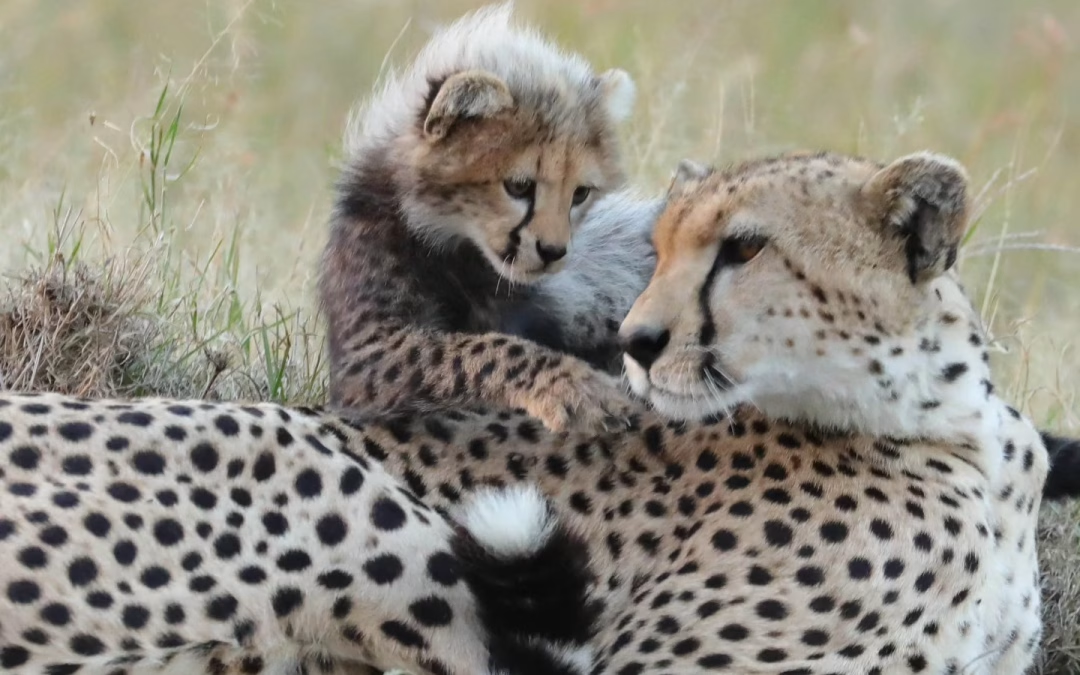
MAASAI MARA, Kenya — The Maasai Mara has lost one of its most iconic big cats. Nora the Queen, believed to be the oldest female cheetah in the Mara ecosystem at 13.5 years, was tragically killed in a rare and brutal encounter with a leopard known locally as Bella 2. The fatal attack occurred as she was crossing a dry riverbed, shocking guides and researchers who had never expected such a seasoned and resilient cheetah to fall in this way.
Nora’s passing comes amid a cheetah population of approximately 72 individuals in the Maasai Mara and surrounding conservancies — a number that highlights both the Mara’s status as a key stronghold for this vulnerable species and the constant threat they face from larger predators.
A Matriarch of the Mara
Born in April 2012 to her mother, Narasha, and sister to Nur, Nora rose to prominence over more than a decade in the Mara. Throughout her life, she mated largely with members of the famous Tano Bora cheetah coalition, and was known to have one surviving male cub, now about ten years old.
Tragically, one of the most dramatic moments in the Tano Bora saga also involved Nora: when Olpadan, a dominant member of that coalition, returned from a mating excursion with her, his own coalition mates rejected him, leading to his eventual death — a story that became part of Mara folklore.
A Sudden and Unexpected End
Despite her age and experience, Nora did not survive the ambush by Bella 2, a leopardess known for her stealth and power. Cheetahs are typically sensitive to the presence of other big cats, often avoiding confrontation, but guides were taken by surprise: many had assumed that, given her maturity, Nora would either defend herself or flee swiftly. F
Leopard attacks on adult cheetahs are rare but not unheard of; leopards are stronger, more muscular predators that can overpower cheetahs, especially older ones whose senses and reflexes have begun to fade.
Legacy of a Queen
Nora’s remarkable life was defined by survival, motherhood, and the hard realities of life on the Mara plains. She was respected by guides, beloved by wildlife watchers, and admired for her tenacity. Now, as the Mara mourns her loss, her story underscores the fragility of cheetah lives in a land dominated by lions, hyenas, and now, powerful leopards.
Rest in peace, Nora the Queen — long may your legacy run through the grasses of the Mara.
In the remote wilds of northern Kenya, where dusty plains meet rugged mountains and seasonal rivers carve ancient paths, a quiet revolution in conservation is taking place. Reteti Elephant Sanctuary Kenya is not just a refuge for orphaned elephants—it’s a symbol of hope, resilience, and the power of community. Here, rescued calves are nurtured by the very people whose ancestors once viewed elephants as competitors. Today, they are caretakers, storytellers, and proud guardians of Samburu heritage.
In this blog, you’ll discover why Reteti is a must-visit destination—how to get there, what makes it extraordinary, the rare wildlife you can expect to see, and the unforgettable cultural encounters that await. Whether you’re planning a full northern Kenya safari or seeking one of the most meaningful wildlife experiences in Africa, Reteti deserves a place on your itinerary.
Where is Reteti Elephant Sanctuary Kenya Located?
Tucked within the vast landscapes of northern Kenya, Reteti Elephant Sanctuary Kenya lies in the heart of the Namunyak Conservancy. This remote, community-owned sanctuary is surrounded by dramatic mountains, seasonal rivers, and a semi-arid climate that defines the Samburu wilderness.
Its location makes it an ideal stopover during a northern Kenya safari. The sanctuary is just a 2-hour drive from most lodges and camps in Samburu National Reserve, including popular names like Elephant Bedroom Camp, Lion King Camp, Samburu Intrepid, and Soroi Samburu Lodge.
From Buffalo Springs Game Reserve, which includes Surana Camp and Ashnil Samburu Camp, the journey takes about 2.5 hours. Shaba National Reserve, with its iconic Sarova Shaba Game Lodge and Joy Camp, is also within 2.5 hours reach.
Kalama Conservancy’s Basecamp Saruni Camp is only 1.5 hours away, while Sabache Eco-Camp, at the base of Mount Ololokwe, is just 1 hour from Reteti. Nearby conservancies like Sera (Rhino Wild Camp) and Namunyak (Sarara Camp) are each about 1 to 1.5 hours away.
If you’re staying at Reteti House or Reteti Cottages, you’re in luck—the sanctuary is a short 20-minute walk away.
What Makes Reteti Elephant Sanctuary Special?
Unlike most wildlife sanctuaries, Reteti Elephant Sanctuary Kenya stands out for one extraordinary reason—it is the first community-owned and operated elephant orphanage in Africa. It is a place where local Samburu men and women are trained as caregivers, veterinary assistants, and conservationists, creating a rare synergy between people and wildlife.
Every elephant calf rescued here has a name, a story, and a second chance. Most are victims of drought, human-wildlife conflict, or abandonment. At Reteti, they are hand-fed, monitored, and rehabilitated with the ultimate goal of returning them to the wild. The emotional bond between keepers and calves is not only heartwarming—it’s a powerful narrative of healing, both for the animals and the community.
Guests can witness the feeding sessions, learn about elephant behavior, and explore how traditional Samburu knowledge blends with modern conservation science. Being here isn’t about passive observation—it’s an immersive, eye-opening encounter that changes how you see wildlife forever.
Wildlife Viewing Around Reteti Elephant Sanctuary
While Reteti’s elephants are the main attraction, the surrounding wilderness teems with some of the most unique and elusive wildlife in East Africa. The sanctuary sits within the greater Namunyak Conservancy, a region that offers rich biodiversity and excellent game drive opportunities for adventurous travelers.
Expect to encounter northern Kenya’s signature species, including the striking reticulated giraffe, the elegant Grevy’s zebra, and the long-necked gerenuk, often seen browsing on their hind legs. These animals are specially adapted to arid environments and are rarely found in southern parks like the Maasai Mara.
But what truly sets this area apart are the rare and often shy creatures that call it home. Keep your eyes peeled for striped hyenas, naked mole-rats, and packs of wild dogs—all of which are difficult to spot elsewhere in Kenya. Birders will also find the area rewarding, with species like the vulturine guinea fowl, Somali ostrich, blue-naped mousebird, and Somali crombec adding bursts of color to the rugged landscape.
For those who crave intimate, off-the-beaten-path wildlife experiences, Reteti delivers on every level—without the crowds found in more famous parks.
Adventure Activities and Cultural Encounters
A visit to Reteti Elephant Sanctuary Kenya opens the door to far more than wildlife viewing—it’s also a gateway to authentic Samburu culture and rugged northern adventures.
For those drawn to landscapes, a hike up Mount Ololokwe—a sacred mountain to the Samburu people—is a must. Accessible via Sabache Eco-Camp, the climb rewards you with sweeping views across the arid plains and a sunrise that lingers in memory. If you prefer the skies, helicopter safaris to Lake Turkana’s Central Island or the remote Chalbi Desert offer cinematic views of Kenya’s northern frontier.
Cultural immersion is a cornerstone of the Reteti experience. Visit a Samburu singing well, a traditional water-harvesting system where herders sing to their livestock as they draw water—best seen during the dry season at Namunyak Conservancy or Ndonyo Wasin. You can also enjoy a bush breakfast or sundowner in the wild, surrounded by the scent of acacia and the sounds of distant bird calls.
For a deeper connection, tour nearby villages or visit local schools in Seriolipi, Lerata, and Ndonyo Wasin, supported by Thorntree.org, a nonprofit working with Samburu communities. These moments offer a chance to understand life in this remote region from those who live it.
Getting to Reteti Elephant Sanctuary
Reaching Reteti Elephant Sanctuary Kenya is part of the adventure. Nestled deep within the Namunyak Conservancy, the sanctuary is accessible by both road and air—but whichever route you choose, a 4×4 vehicle is essential due to the rugged terrain and unpaved tracks.
For those flying in, options include scheduled or charter flights to Kalama Airstrip or small private charters to Sarara Airstrip and Reteti Airstrip, the closest landing strip to the sanctuary itself. Most safari itineraries that include Samburu, Shaba, or Buffalo Springs make Reteti a convenient northern extension.
If you’re traveling by road, you’ll be greeted by hot, arid conditions typical of this part of Kenya. The landscape is raw and beautiful, dotted with dry riverbeds, rocky hills, and dense thickets that give way to wide, open plains. During the rainy season, seasonal rivers may swell, so planning your journey with an experienced guide is recommended.
Despite the remoteness, the journey is worth every kilometer. Along the way, you’ll pass through traditional Samburu settlements and may even spot wildlife crossing your path before you arrive at this one-of-a-kind sanctuary.
Why Reteti is a Must-Visit on Your Northern Kenya Safari
In a country known for world-famous reserves like the Maasai Mara and Amboseli, Reteti Elephant Sanctuary Kenya offers something refreshingly different—a raw, immersive safari experience far from the usual tourist trails. It’s not just about spotting wildlife; it’s about understanding the deep relationships between people, animals, and the land.
Here, you get the chance to witness rare mammals like striped hyenas, naked mole-rats, and the elusive African wild dog in their natural habitat. But what makes Reteti truly stand out is the sense of purpose woven into every visit. Every interaction supports local conservation efforts, empowers Samburu communities, and contributes to a broader mission of coexistence between wildlife and people.
Combining a visit to Reteti with other destinations like Samburu National Reserve, Buffalo Springs, or Shaba National Reserve creates a well-rounded northern Kenya safari rich in wildlife, culture, and conservation. Whether you’re a photographer, conservation traveler, or simply someone seeking meaningful travel, Reteti offers something few places can—connection.
Plan a Seamless Visit with Experts in Northern Kenya Safaris
Planning a visit to Reteti Elephant Sanctuary Kenya isn’t just about booking a destination—it’s about crafting a journey through one of Africa’s last truly wild frontiers. Remote, rugged, and rich in cultural heritage, Namunyak Conservancy requires a deep understanding of local logistics, seasons, and access routes.
That’s where experienced safari planners come in. With so many moving parts—from charter flights and 4×4 transfers to conservation fees and community protocols—it pays to work with a team that knows northern Kenya inside and out.
At Campo East Africa Safaris, we specialize in designing tailor-made itineraries that connect guests with the untouched beauty of places like Reteti. Whether you’re combining your visit with Samburu, Shaba, or simply want an exclusive stay near Reteti House or Reteti Cottages, our team can curate every detail.
Ready to explore this remarkable sanctuary and its surrounding wildlands? Contact us today to start building your custom Reteti adventure.
Lake Nakuru National Park is one of Kenya’s most famous safari destinations, known for its pink-hued flamingo flocks, endangered rhino sanctuary, and dramatic Rift Valley escarpments. But beyond its wildlife, the quality of your trip depends heavily on where you stay. Choosing the right Lake Nakuru accommodation shapes not only your comfort but also how close you are to the park’s highlights.
From luxury lodges perched on scenic cliffs to budget-friendly camps surrounded by acacia woodland, travelers have plenty of options both inside and outside the park. Each comes with its own atmosphere, price range, and level of immersion in nature. This guide explores the best accommodation inLake Nakuru National Park and nearby areas to help you find a stay that matches your safari style.
Why Stay Inside Lake Nakuru National Park?
Many travelers prefer accommodation inside Lake Nakuru National Park because it offers unrivaled access and a more immersive experience. By waking up within the park boundaries, you skip early-morning gate queues and gain extra time for game drives—crucial if you want to catch predators before they retreat into the shade.
Benefits of staying inside include:
Early access to wildlife: Enter the park at sunrise without delay, when animals are most active.
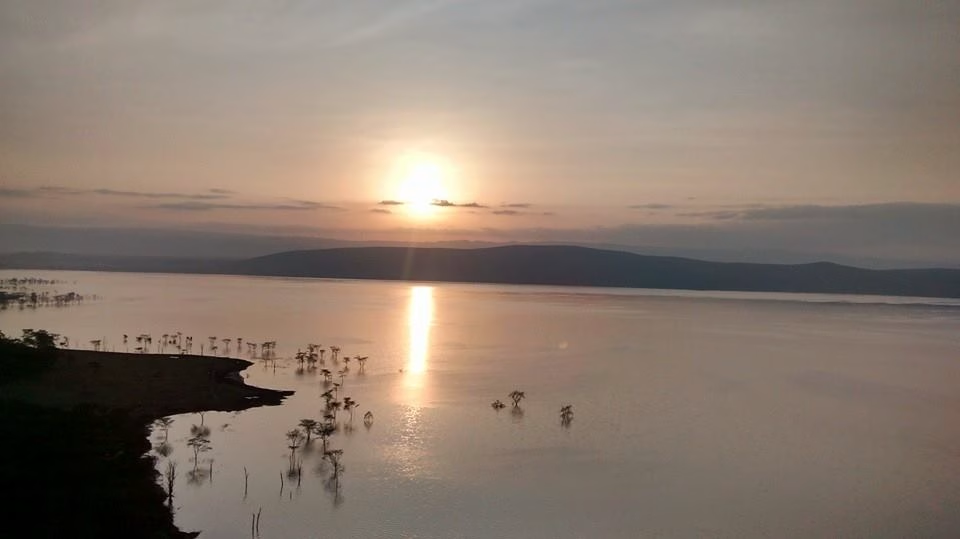
Scenic views from your room: Some lodges overlook the flamingo-dotted lake or the vast Rift Valley.
Immersive safari feel: The sounds of nature—lion roars, bird calls, and rustling acacia leaves—become part of your stay.
Convenience: No need to drive in and out of the gates each day.
For photographers, families, and first-time safari-goers, staying inside often feels like an extension of the adventure itself. Options here range from eco-lodges to tented camps and mid-range resorts, each offering a balance of comfort and wilderness charm. Based on our experience and feedback from our clients, we have no hesitation recommending the following lodges within the park.
Top Accommodation Options Inside Lake Nakuru National Park
1. Sarova Lion Hill Game Lodge
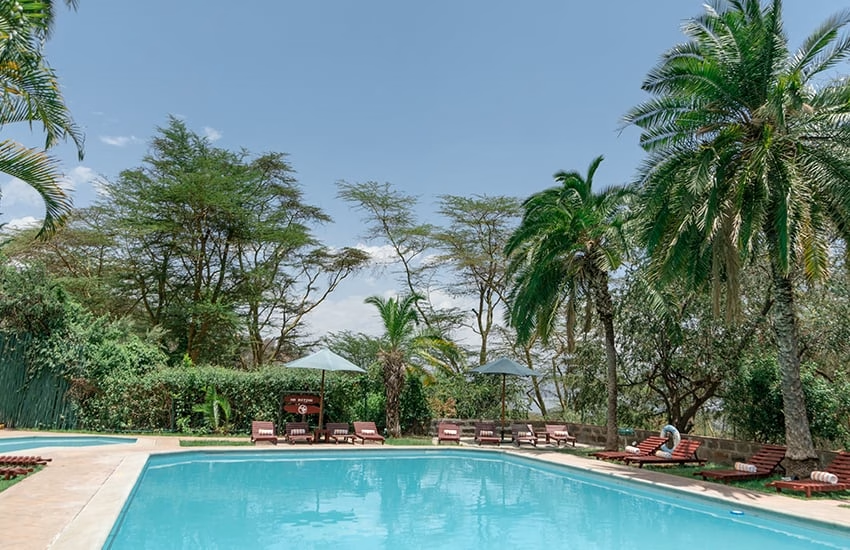
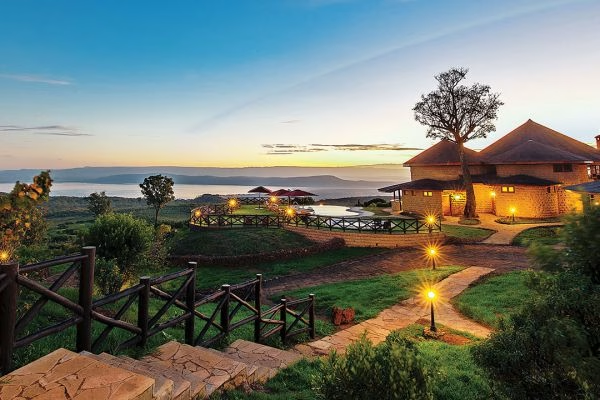
Perched atop Lion Hill with sweeping views of the flamingo-lined shores of Lake Nakuru, Sarova Lion Hill Game Lodge is one of the most iconic places to stay inside the park. Known for its eco-conscious practices and award-winning service, this lodge blends luxury with the raw beauty of the Rift Valley. It is especially suited for families, couples, and photographers who want a comfortable base within the park while still feeling immersed in nature.
Location
Sarova Lion Hill Game Lodge sits inside Lake Nakuru National Park, on the ridge of Lion Hill. This elevated spot provides panoramic views of the lake and the park’s acacia-dotted savannah, making it a top choice for guests seeking both comfort and breathtaking scenery.
Access
The lodge is about 160 kilometers from Nairobi, a 2–3-hour drive along the Nairobi–Nakuru Highway. Once inside the park, it lies approximately 25 kilometers from the Lanet or Nderit gates. Travelers are advised to use a 4×4 vehicle for easy access, especially during the rainy season. Alternatively, visitors can fly into the nearby Naishi Airstrip for quicker access.
Rooms & Suites
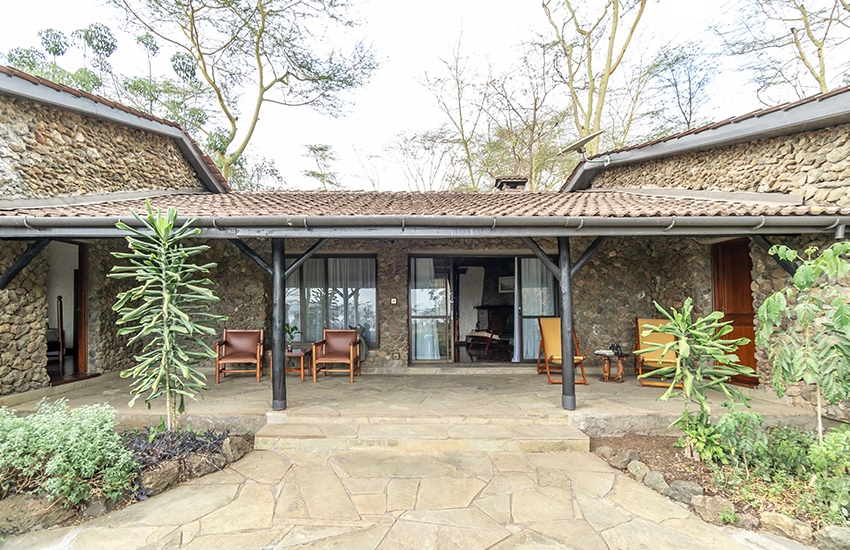
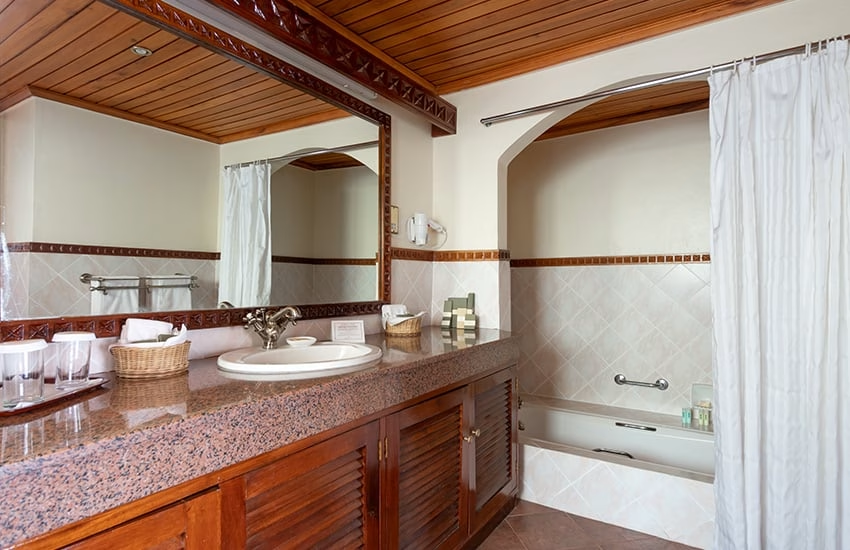
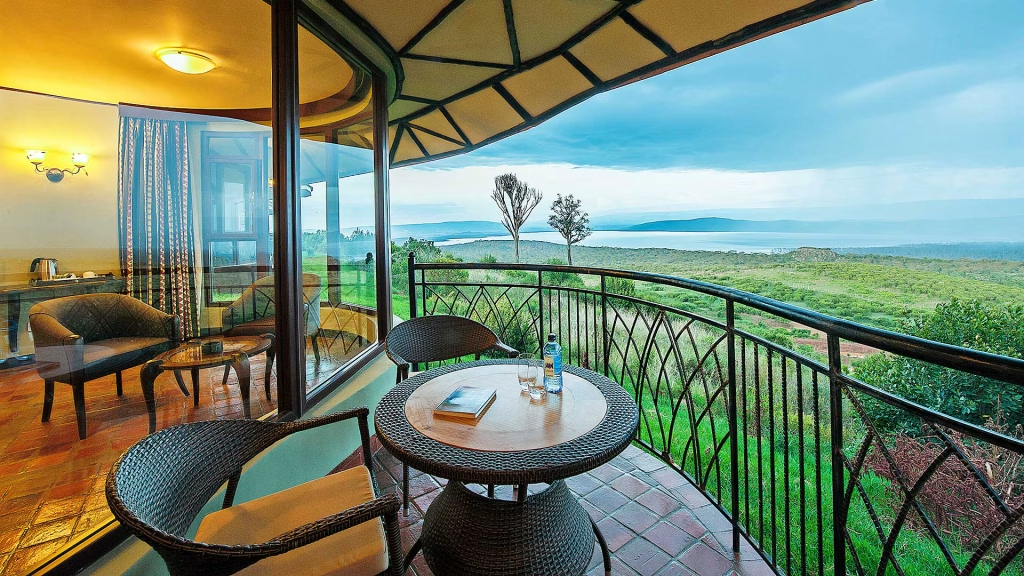
Sarova Lion Hill Game Lodge offers 62 chalet-style cottages, plus two junior suites and one superior suite. All rooms feature private terraces overlooking the lake and surrounding landscapes. The design blends traditional safari charm with modern comfort, making each stay relaxing yet authentically Kenyan. Options range from single and double to triple rooms, suitable for families or groups.
Facilities & Amenities
The lodge is eco-certified, holding a Silver Eco-Rating from Ecotourism Kenya. Facilities include a temperature-controlled swimming pool, a jogging track, expansive lawns, and an outdoor spa. Guests also enjoy Wi-Fi, a gift shop, a sauna, and well-maintained gardens. The lodge caters to children, with plenty of space and activities to keep young explorers engaged.
Bar
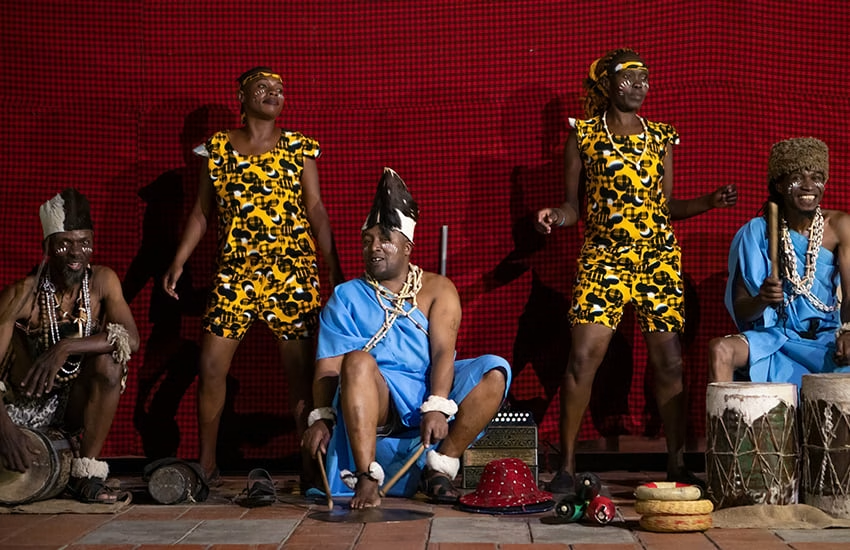
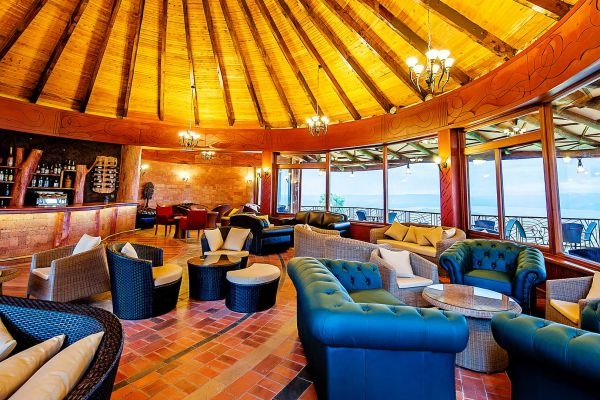
The Rift Valley Bar is a highlight of the property. Guests can sip cocktails on the terrace while watching sunsets over the Rift Valley. Evenings often feature cultural performances or bonfires, creating a vibrant yet intimate atmosphere.
Meetings & Conferencing
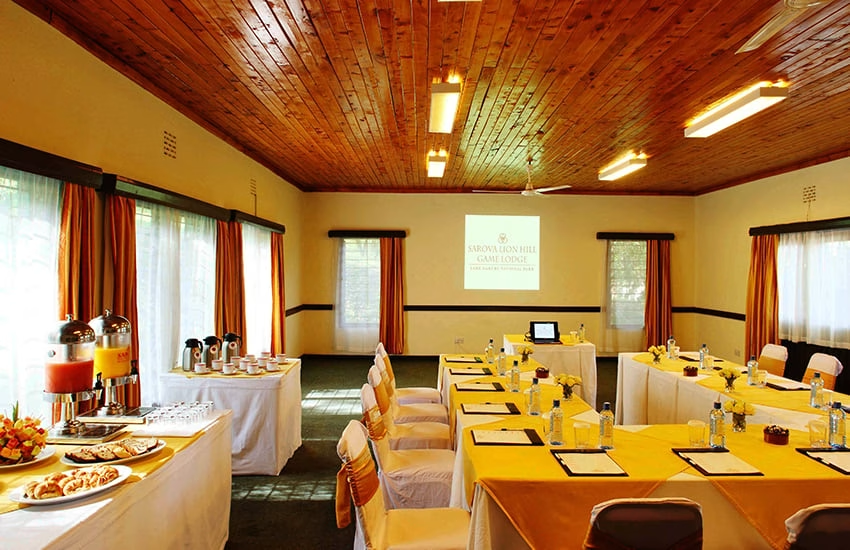
Sarova Lion Hill doubles as a conference destination. Its peaceful setting makes it an ideal venue for retreats, workshops, and team-building sessions. Facilities are equipped with modern conferencing tools while offering views that inspire creativity and focus.
Restaurants & Meals
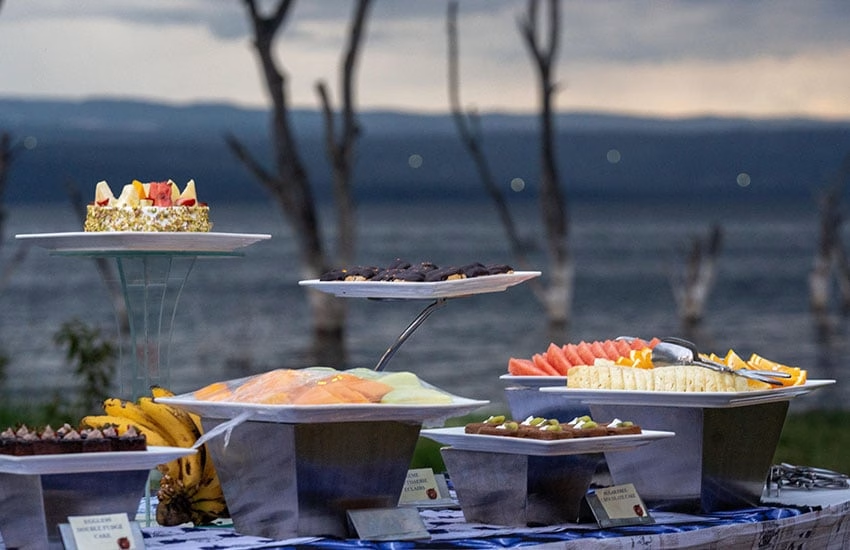
The Flamingo Restaurant serves fresh, globally inspired cuisine made with produce from the lodge’s own herb and vegetable gardens. Meals are buffet-style, but guests can also enjoy bush dining experiences under the stars, which are a signature highlight of the lodge. Special dietary needs are accommodated upon request.
Activities
Guests can enjoy a wide range of activities, including:
Swimming and water games in the pool.
Bird watching and feeding, with flamingos and over 400 bird species nearby.
Nature walks and jogging along scenic tracks.
Archery, yoga, and table tennis.
Evening cultural nights celebrating Kenyan traditions.
Game drives in Lake Nakuru National Park, where rhinos, lions, leopards, and giraffes roam freely.
Sarova Lion Hill Game Lodge combines luxury accommodation with unforgettable safari experiences, making it one of the best accommodation in Lake Nakuru National Park for travelers seeking both comfort and adventure.
2. Lake Nakuru Sopa Lodge
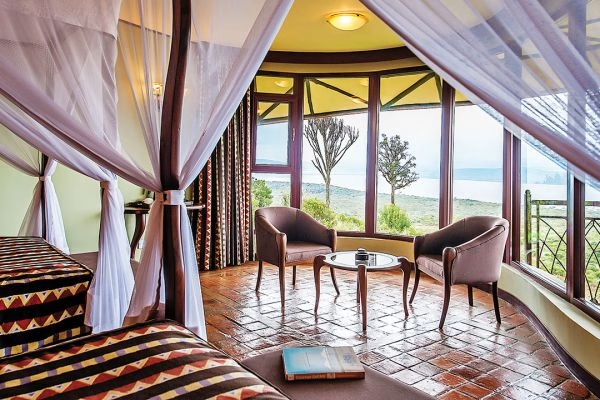
Set high on the western escarpment of the Great Rift Valley, Lake Nakuru Sopa Lodge combines breathtaking views with warm hospitality. Overlooking the park and its iconic flamingo-dotted lake, this lodge is a favorite for families, groups, and travelers seeking comfort in a scenic setting. Guests praise it in many Lake Nakuru Sopa Lodge reviews for its friendly staff, spacious rooms, and excellent value.
Location
The lodge is perched on a range of hills forming the western boundary of Lake Nakuru National Park. From its terraces, guests enjoy sweeping views of the lake and its wildlife-rich surroundings. Its elevated setting also makes it one of the most panoramic accommodation in Lake Nakuru National Park.
Access
From Nairobi, the lodge is a 2.5-hour drive (about 165 kilometers) along the Nairobi–Nakuru highway, followed by 21 kilometers of all-weather road through the park. By air, flights from Wilson Airport take 30–40 minutes to Naishi Airstrip, followed by a 15-minute transfer to the lodge. For self-drivers, Sopa Lodge Nakuru directions are well-marked and accessible, though a 4×4 is advisable during the rainy season.
Rooms & Suites
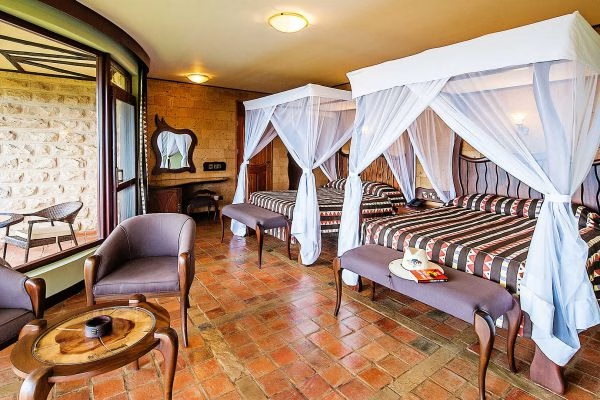
Lake Nakuru Sopa Lodge has 60 spacious rooms, including two wheelchair-accessible units.
Twin rooms feature two queen beds.
Double rooms have a large king-size bed.
Triple rooms come with two queen beds plus a single bed.
Quad rooms suit families with two queen beds for two adults and two children.
All rooms come with balconies overlooking the park, en-suite bathrooms, and modern amenities. Guests often highlight the comfort of the beds and the views in Lake Nakuru Sopa Lodge reviews.
Facilities & Amenities
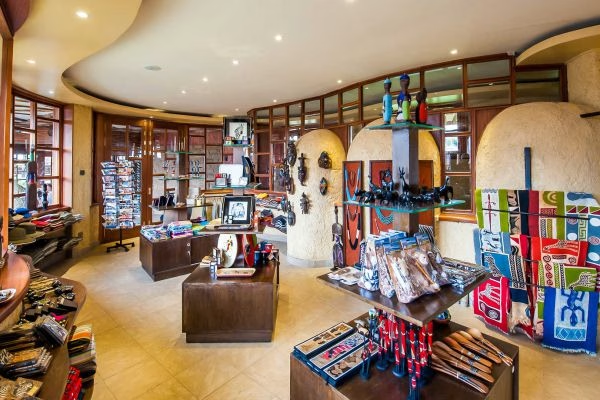
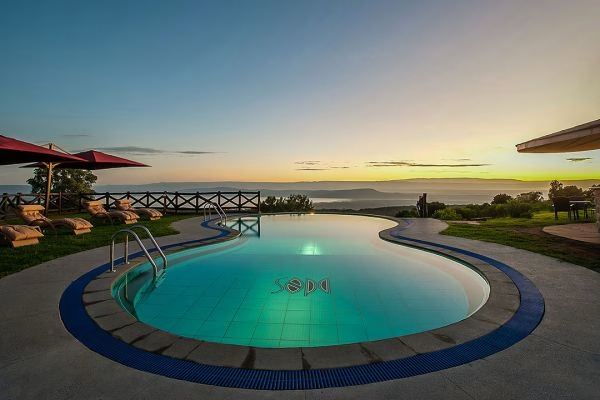
Facilities include a beautiful infinity swimming pool with a pool bar, a lounge, a gift shop, babysitting services, and free Wi-Fi in public areas. Guests also enjoy laundry services, board games, and special diet catering. Families benefit from children’s menus, babysitting, and turndown service, making the lodge family-friendly.
Bar
The lodge features a well-stocked bar with a terrace that overlooks Lake Nakuru. It’s a favorite sunset spot where guests enjoy cocktails while watching the landscape change colors.
Meetings & Conferencing
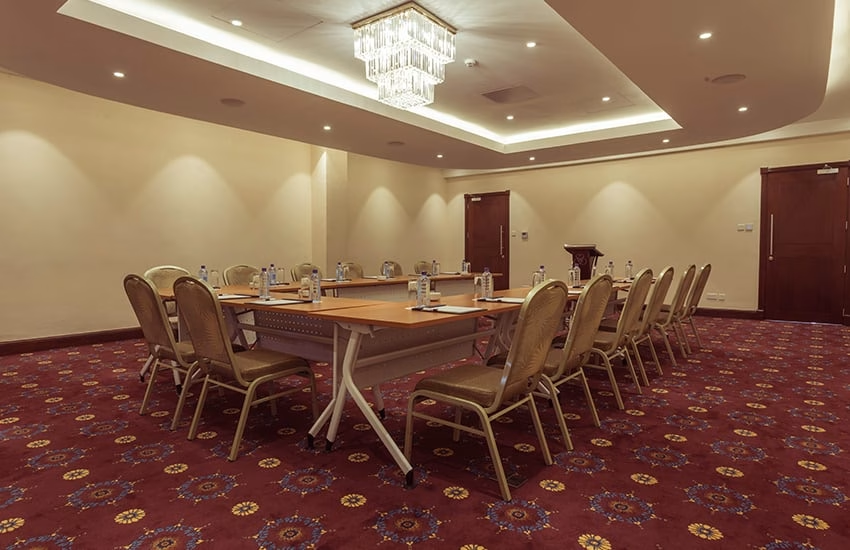
The lodge has a small but fully equipped boardroom for up to 10 people, ideal for intimate meetings or planning sessions. For larger events, the lodge organizes team-building activities, weddings, and themed dinners within the grounds, from Maasai cultural nights to champagne bush breakfasts.
Restaurants & Meals
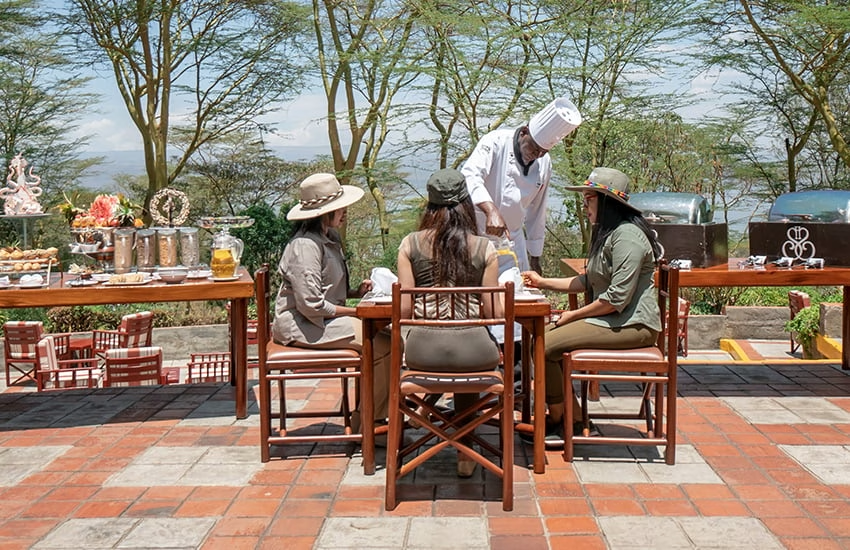
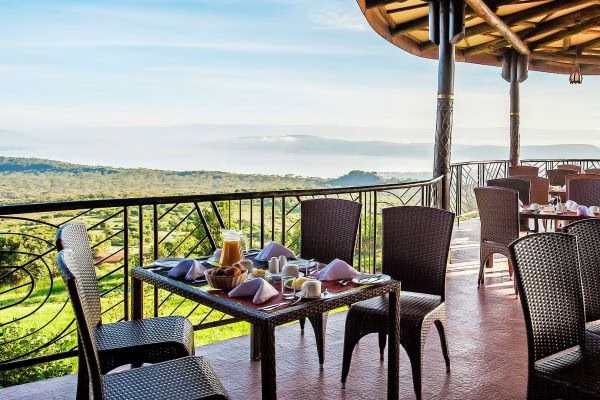
The main restaurant serves buffet-style meals inspired by international and local cuisines. Much of the produce is sourced locally, and the lodge caters for special dietary needs. Guests can also book bush breakfasts, sundowners, or themed dinners such as barbecues and African nights.
Activities
Guests enjoy a range of experiences, including:
Game drives within Lake Nakuru National Park.
Bird watching, with flamingos, pelicans, and eagles often spotted right from the lodge.
Bush dining and champagne breakfasts.
Nature walks on the escarpment.
Indoor options such as board games.
Lake Nakuru Sopa Lodge Prices
The lodge offers seasonal rates on a full-board basis (excluding park entry fees):
Peak season (July–Sept, Dec–Jan): Single $249 | Double $409 | Triple $560 | Quad $615
High season (Jan–Mar, Oct–Dec): Single $199 | Double $309 | Triple $425 | Quad $465
Low season (Apr–Jun): Single $159 | Double $228 | Triple $315 | Quad $340
Holiday supplements apply during Christmas, New Year, and Easter. Child discounts are available, making it one of the best options for families looking for budget accommodation in Lake Nakuru National Park during low season, or luxury accommodation in Lake Nakuru National Park during peak months.
With its dramatic views, family-friendly amenities, and fair pricing structure, Lake Nakuru Sopa Lodge is widely considered one of the best accommodation in Lake Nakuru National Park for both value and comfort.
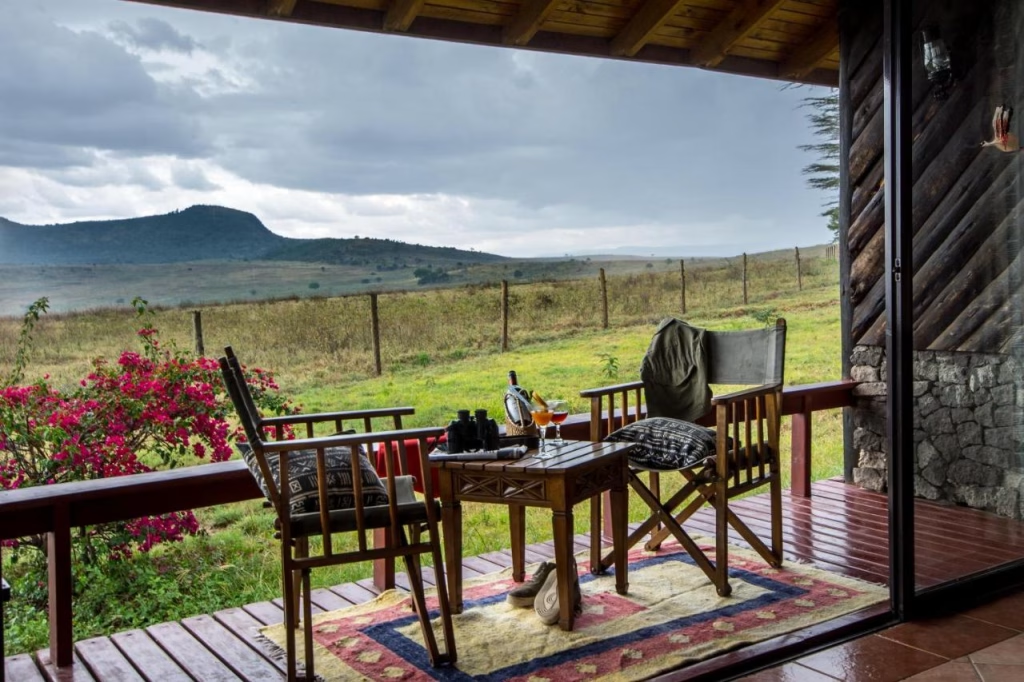
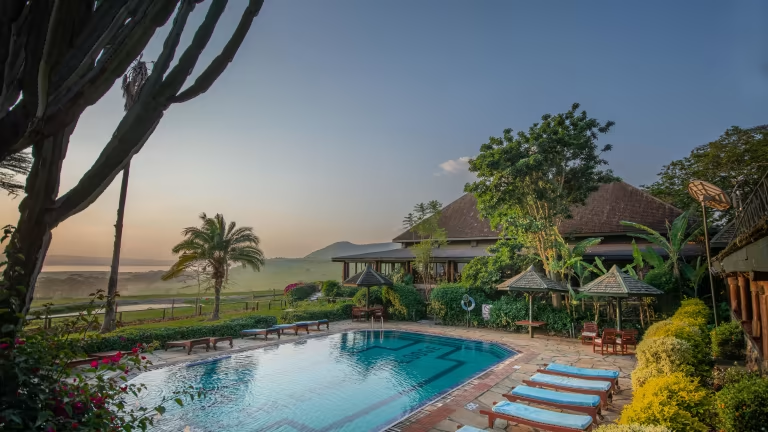
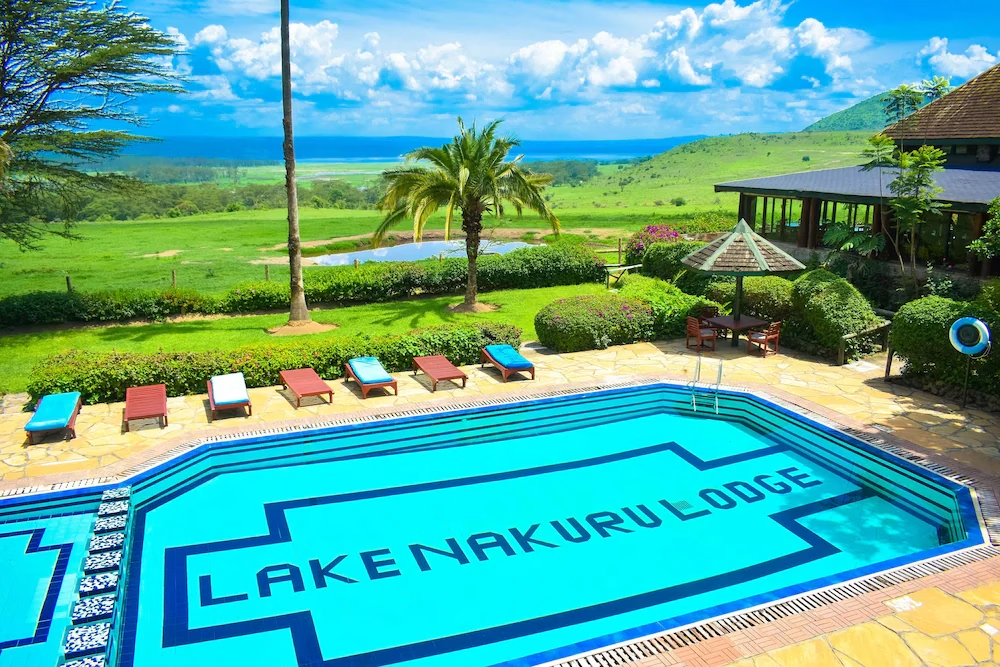
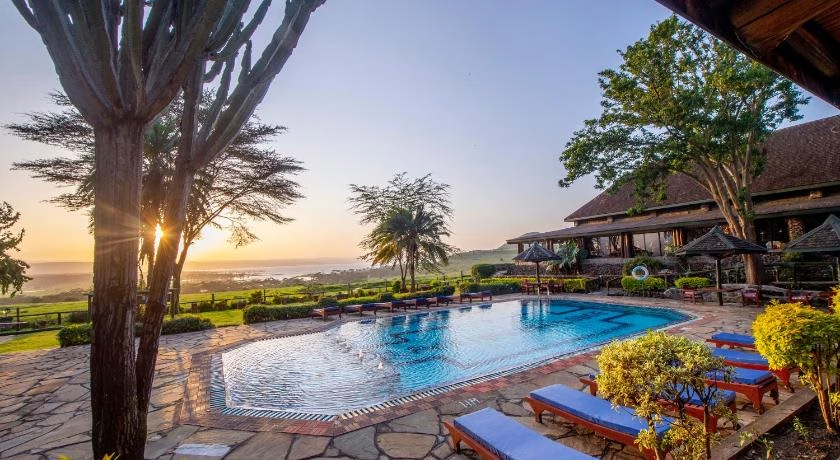
3. Lake Nakuru Lodge
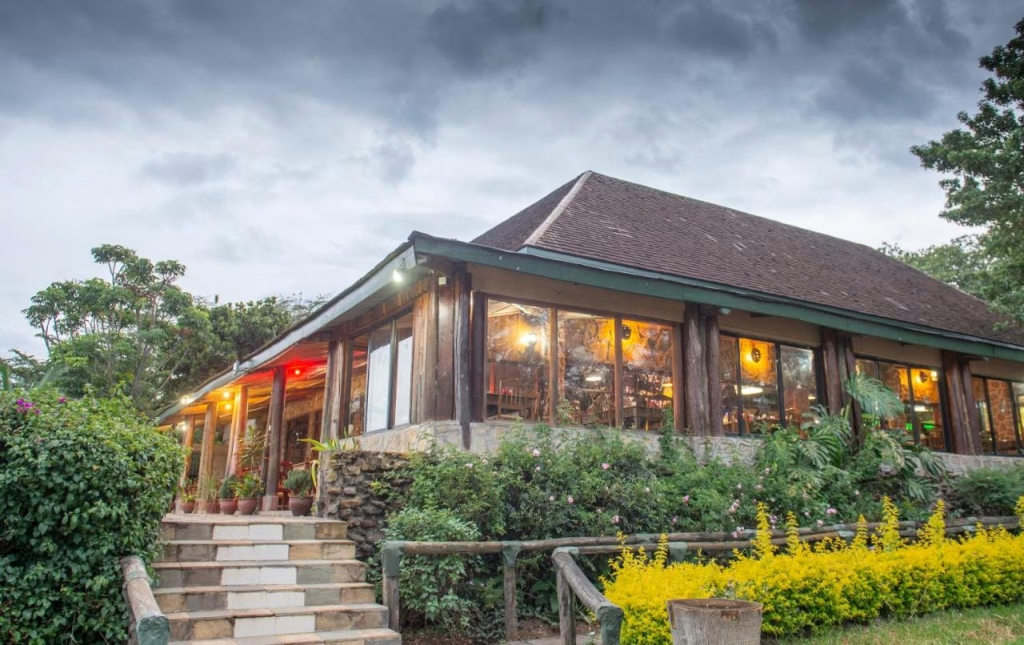
Set inside the park, Lake Nakuru Lodge blends eco-credentials with classic safari comfort. Rooms face the lake and acacia woodland, so wildlife is part of the stay. It suits couples, families, and groups who want Lake Nakuru accommodation that keeps them close to the action.
Location
The lodge sits in the south-eastern area of Lake Nakuru National Park. Its position gives open views of the flamingo zone and the surrounding plains.
Access
From Nairobi, drive 160–170 km on the Nairobi–Nakuru highway, then enter via Lanet or Nderit Gate. Road time is about three hours, traffic depending. By air, use Naishi Airstrip, then transfer by lodge vehicle to reception.
Rooms & Suites
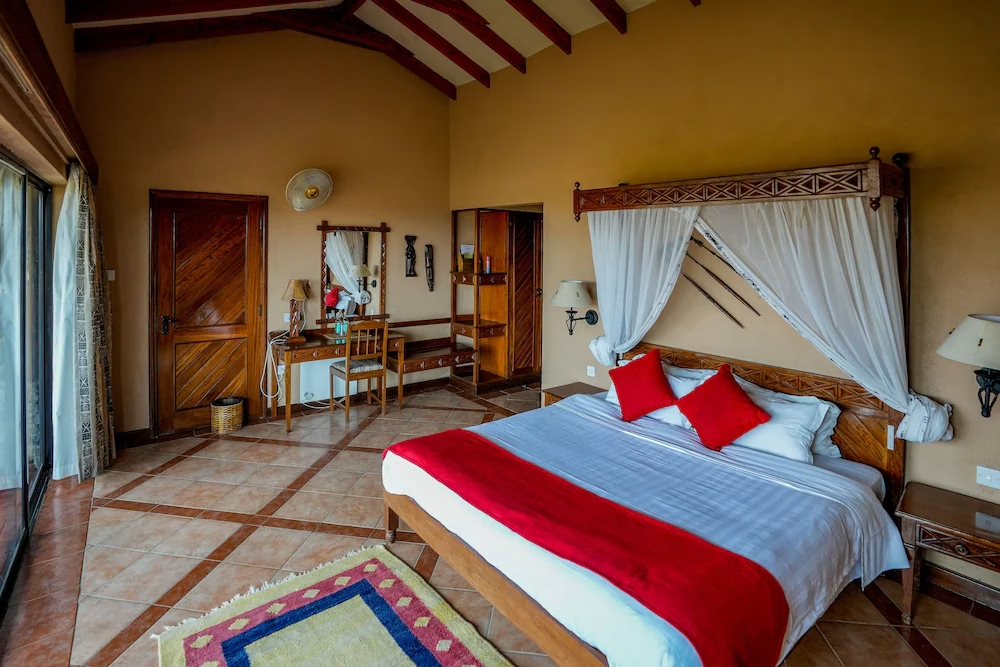
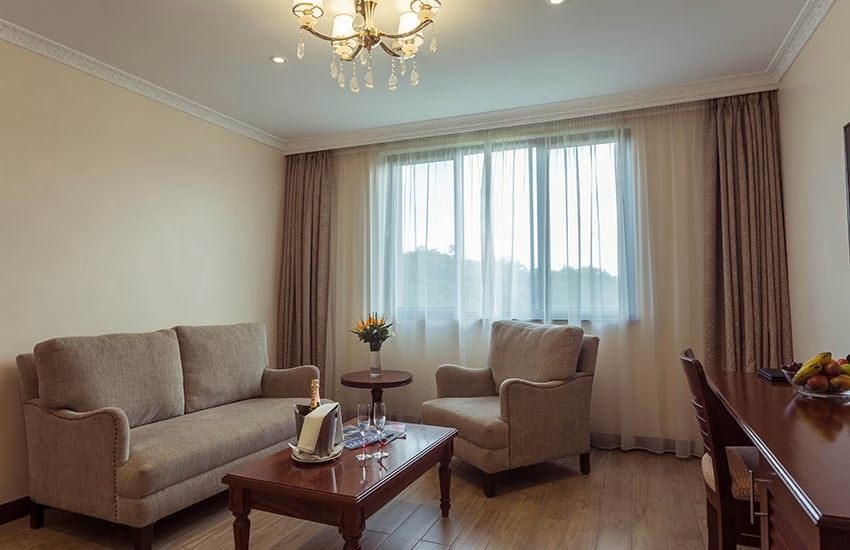
Accommodation spans Deluxe Rooms, Historical Rooms, and Suites. All include ensuite bathrooms, seating areas, and terraces with lake views. Suites add fireplaces and hot tubs for extra comfort. Wi-Fi and flat-screen TVs are available in rooms.
Facilities & Amenities
You’ll find a temperature-controlled pool and landscaped gardens for downtime. MatiSpa offers treatments under the acacias. The lodge provides free Wi-Fi, a gift shop, and a conference center. Special diets are catered for with advance notice. Horse riding is available as an add-on.
Bar
The main bar serves cocktails, wine, beer, and hot drinks. Guests enjoy panoramic views from the deck. A pool table adds a relaxed, social touch. Opening hours run from 6:30 a.m. until the last guest leaves.
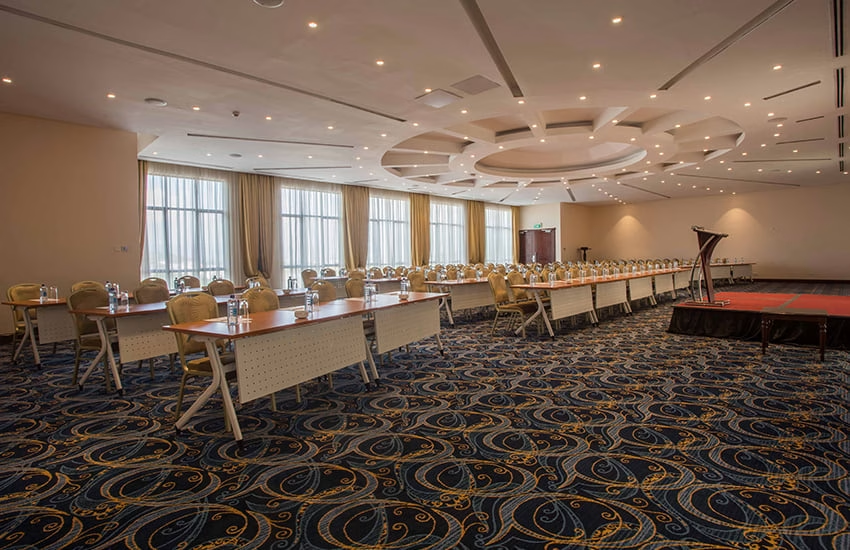
Meetings & Conferencing
The conference center supports strategy retreats and social events. Spaces can be arranged for plenary sessions and breakouts. On request, the team sets up bush dinners or sundowners to close the day.
Restaurants & Meals
Mutarakwa Restaurant seats 150–180 guests inside, plus 42 outdoors beside a watering hole. Breakfast runs 6:30–9:00 a.m., lunch 12:30–3:00 p.m., and dinner 7:30–9:00 p.m. Menus cover Indian, African, and American dishes. Vegetarian, gluten-free, and dairy-free options are available.
Activities
Game drives with chances to see rhino, buffalo, and giraffe
For travelers who want a more intimate and eco-friendly safari stay, Flamingo Hill Tented Camp delivers charm and comfort in equal measure. Nestled within the park, the camp is designed to evoke the spirit of traditional safari, yet with modern touches that make it a favorite among photographers and couples.
Location
The camp is situated inside Lake Nakuru National Park, near the main gate and close to the lake itself. Its position offers easy access to game drive circuits, while still feeling tucked away in the bush.
Access
By road, it’s about a 2.5–3-hour drive (approximately 160 km) from Nairobi. Visitors can also fly from Wilson Airport to Naishi Airstrip, followed by a short transfer. Since the camp sits near the park entrance, it’s one of the more conveniently located Lake Nakuru accommodation options.
Rooms & Suites
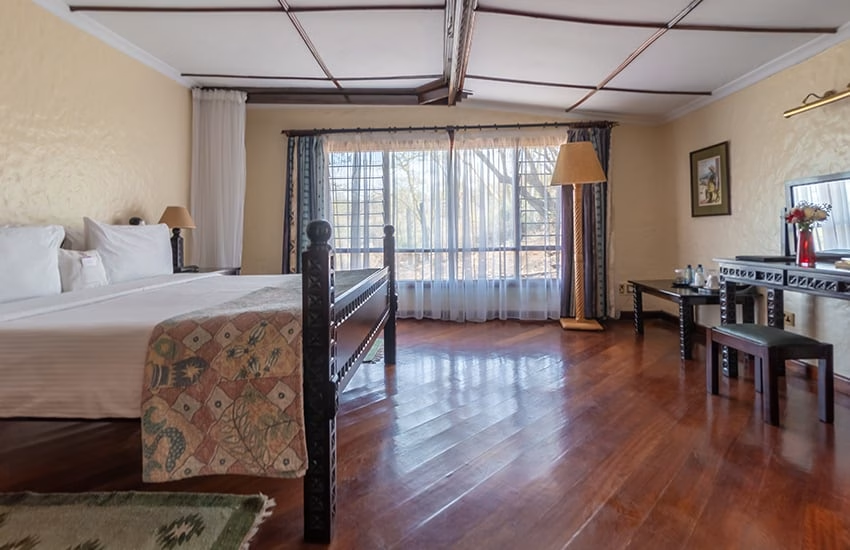
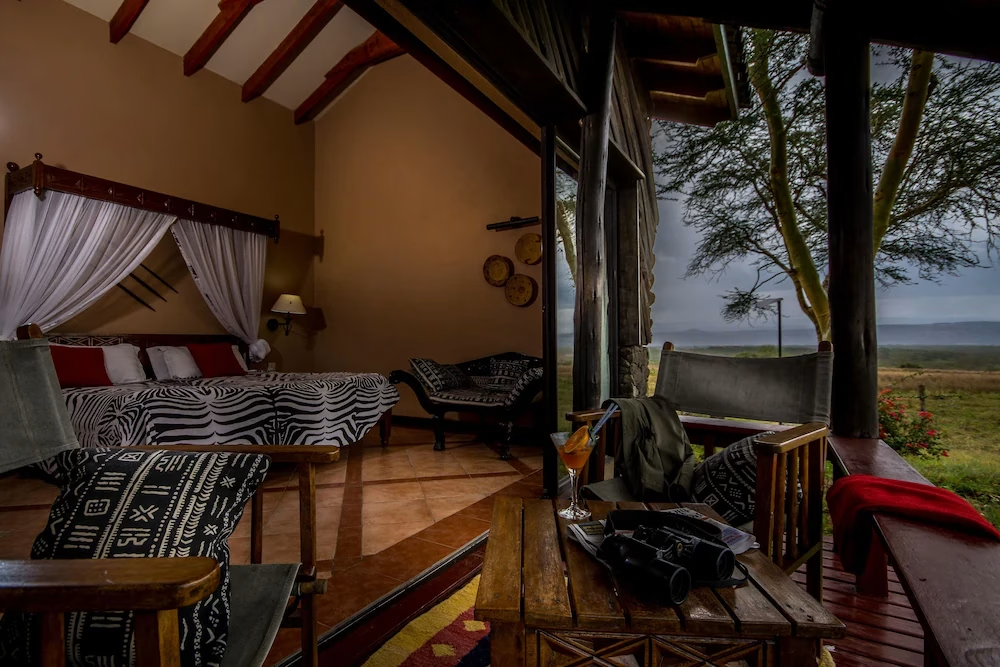
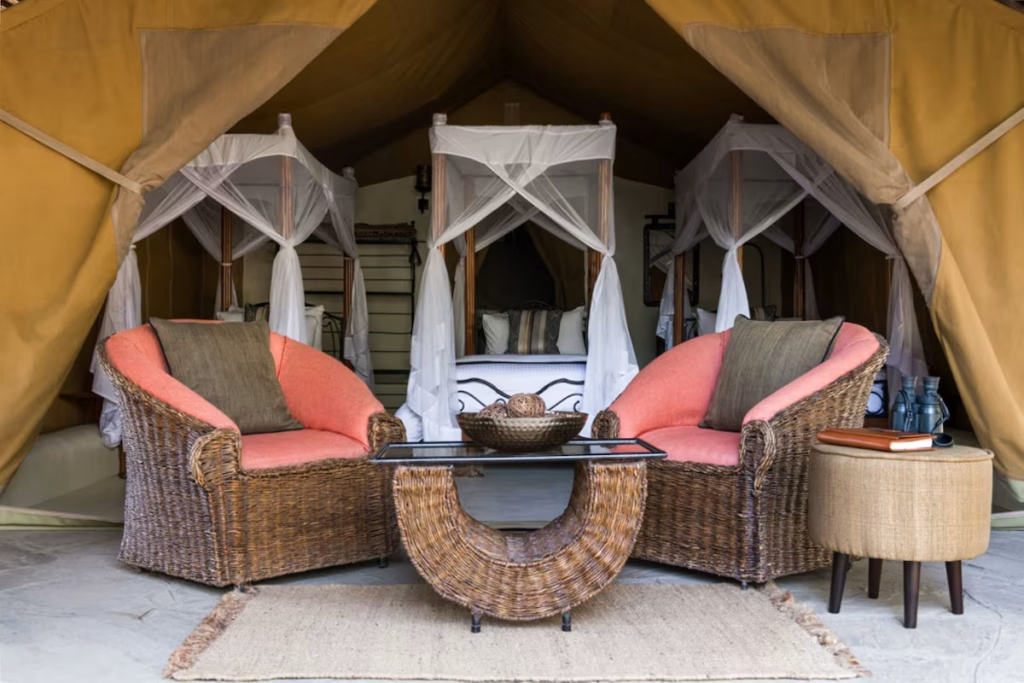
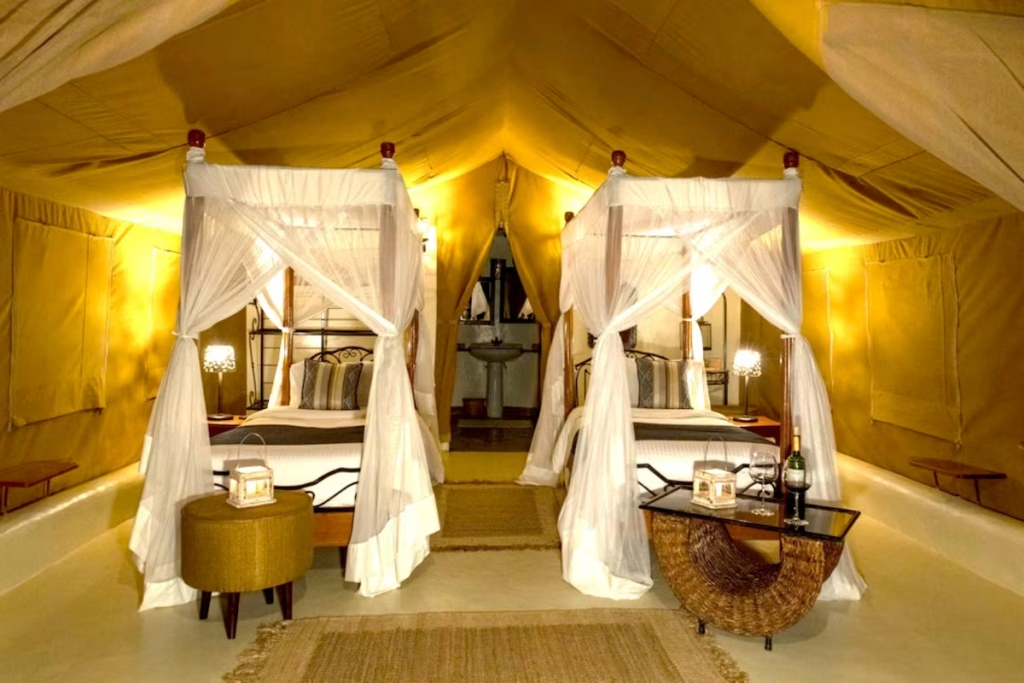
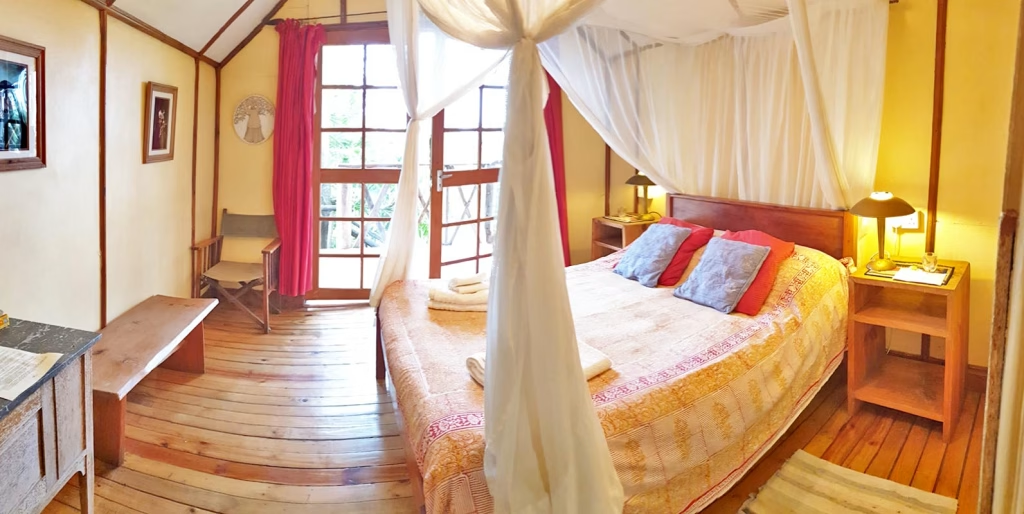
The camp consists of 25 spacious en-suite tents, each with four-poster beds, mosquito nets, and private verandahs. Interiors feature warm wooden furnishings, natural fabrics, and safari-inspired décor. Despite being tents, the rooms offer the comfort of a lodge with proper bathrooms and hot showers.
Facilities & Amenities
Facilities include a swimming pool, jacuzzi, spa, and gift shop. The camp prides itself on sustainability, with solar power and eco-friendly practices. Wi-Fi is available in public areas, though most guests come here to disconnect and enjoy the natural surroundings.
Bar
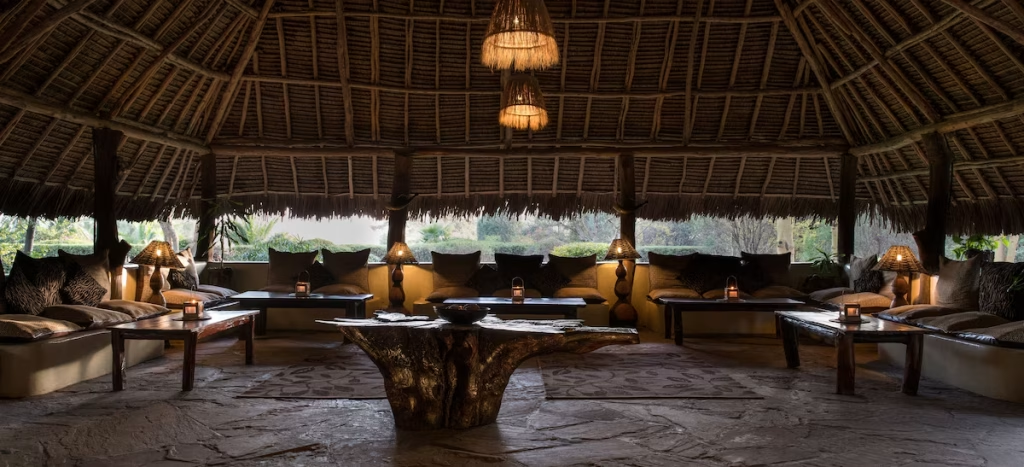
The bar and lounge area offers an open, rustic ambiance where guests can enjoy sundowners after a day of game drives. Signature cocktails and local beers are served against a backdrop of bush sounds and starry skies.
Meetings & Conferencing
While primarily leisure-focused, Flamingo Hill can host small groups and private events. The intimate setting is ideal for private retreats, workshops, or small celebrations.
Restaurants & Meals
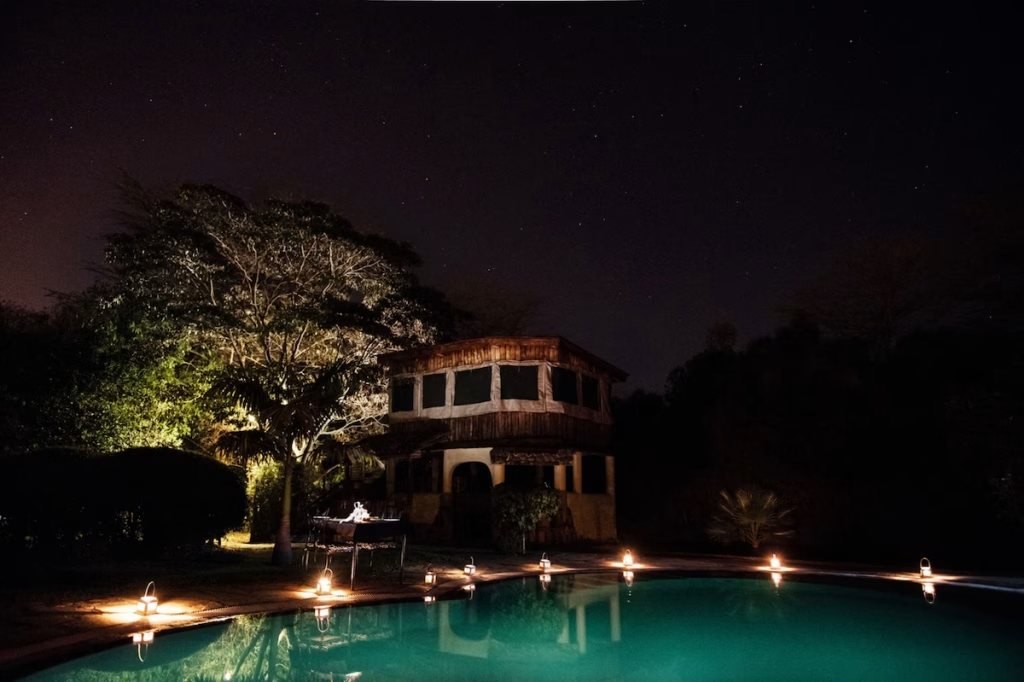
The camp’s restaurant serves a mix of African and international cuisine. Meals are buffet-style with plenty of fresh produce. On request, guests can enjoy bush barbecues, sundowner snacks, or special romantic dinners under the stars. Special diets are also catered for.
Activities
Guided game drives within Lake Nakuru National Park
Bird watching, including flamingos and pelicans around the lake
Nature walks with local guides
Spa treatments and relaxation at the pool
Sundowners and cultural evenings
Small-group bush dining experiences
With its intimate size, eco-conscious design, and authentic safari atmosphere, Flamingo Hill Tented Camp is one of the most unique choices for accommodation in Lake Nakuru National Park. It is especially popular with photographers, honeymooners, and travelers seeking a boutique experience.
Why Stay Outside Lake Nakuru National Park?
While staying inside the park immerses you in nature, there are good reasons to consider accommodation outside Lake Nakuru National Park. These properties offer flexibility, access to city amenities, and more variety in price and style.
Lower cost and flexibility: Outside-the-park hotels often have lower rates, especially for long stays or large groups. Guests also have more meal and entertainment choices beyond the lodge.
Access to Nakuru town’s services: From shopping malls to medical facilities and nightlife, staying in town puts you closer to modern conveniences.
Good for mixed itineraries: For travelers combining business, conferences, and safaris, outside options offer the best of both worlds.
Suitable for diverse budgets: Whether you’re seeking luxury accommodation in Lake Nakuru or budget-friendly camps, outside-the-park stays provide a wide spectrum of choices.
This makes outside stays particularly appealing for business travelers, families needing city access, and safari-goers seeking a blend of wilderness by day and modern comfort by night.
Top Accommodation Options Outside Lake Nakuru National Park
5. Sarova Woodlands Hotel & Spa
For travelers who prefer luxury and modern comfort just outside the park, Sarova Woodlands Hotel & Spa in Nakuru town is a premier choice. Located in the upscale Milimani area near the State House, the hotel balances convenience with elegance. Guests often choose it for business events, romantic escapes, or as a relaxing base before and after exploring Lake Nakuru National Park.
Location
The hotel is just 10 minutes’ drive from Lake Nakuru National Park, making it one of the most convenient outside-the-park stays. Its position in Nakuru town allows guests to enjoy both safari adventures and the city’s vibrant nightlife.
Access
From Nairobi, it’s a 160 km drive (2.5–3 hours) along the Nairobi–Nakuru Highway. Alternatively, flights from Wilson Airport land at Naishi Airstrip, followed by a short transfer into town.
Rooms & Suites
The hotel has 147 spacious rooms and suites, including:
Superior Rooms
Cozy Studios
Executive Suites
A luxurious Presidential Suite
All rooms are air-conditioned and feature high-speed Wi-Fi, satellite TV, minibars, tea/coffee facilities, and 24-hour room service. The interiors blend modern design with warm hospitality, ensuring comfort for both business and leisure travelers.
Facilities & Amenities
Facilities include:
A swimming pool with lush courtyards
A full-service spa with award-winning treatments
A fitness center
Landscaped gardens and tranquil outdoor spaces
The Sunday Brunch by the pool (every first Sunday of the month) is a standout feature, popular with locals and guests alike.
Bar
The Leather Bar offers a cozy wood-and-leather ambiance, big HD screens for live sports, and a curated menu of cocktails, wines, and light bites. It’s the perfect place to relax after a day of adventure.
Meetings & Conferencing
Sarova Woodlands is one of Nakuru’s premier event venues. Facilities include:
Indoor meeting rooms with state-of-the-art AV technology
Expansive lawns capable of hosting up to 3,000 guests for weddings, galas, and retreats
Outdoor catering by the renowned Kitchens of Sarova team
This makes it an outstanding option for corporate conferences, weddings, and large celebrations.
Restaurants & Meals
Guests can dine at:
Cinnamon Restaurant, offering buffet and à la carte meals with live cooking stations
The Courtyard, an outdoor casual dining space for light meals and snacks
Special excursions, such as bush breakfasts in the park, sundowner cocktails, or meals at Menengai Crater (available at extra cost)
Dietary needs are well catered for, and the range of cuisines blends international favorites with Kenyan flavors.
Activities
Game drives into Lake Nakuru National Park
Spa treatments and wellness sessions
Swimming and fitness workouts
Excursions to nearby attractions such as Menengai Crater and Hell’s Gate National Park
Exploring Nakuru’s nightlife and cultural heritage sites
With its upscale amenities, versatile event spaces, and close proximity to the park, Sarova Woodlands Hotel & Spa is one of the most sought-after options for those seeking luxury Lake Nakuru accommodation rates outside the park.
Kembu Campsite (Kenana Farm)
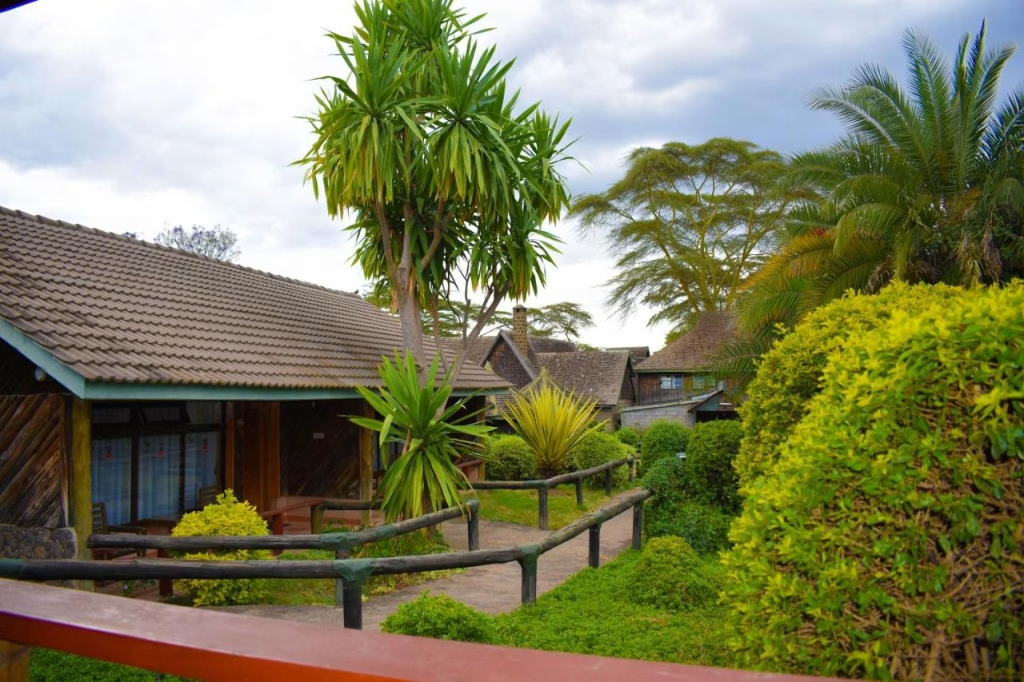
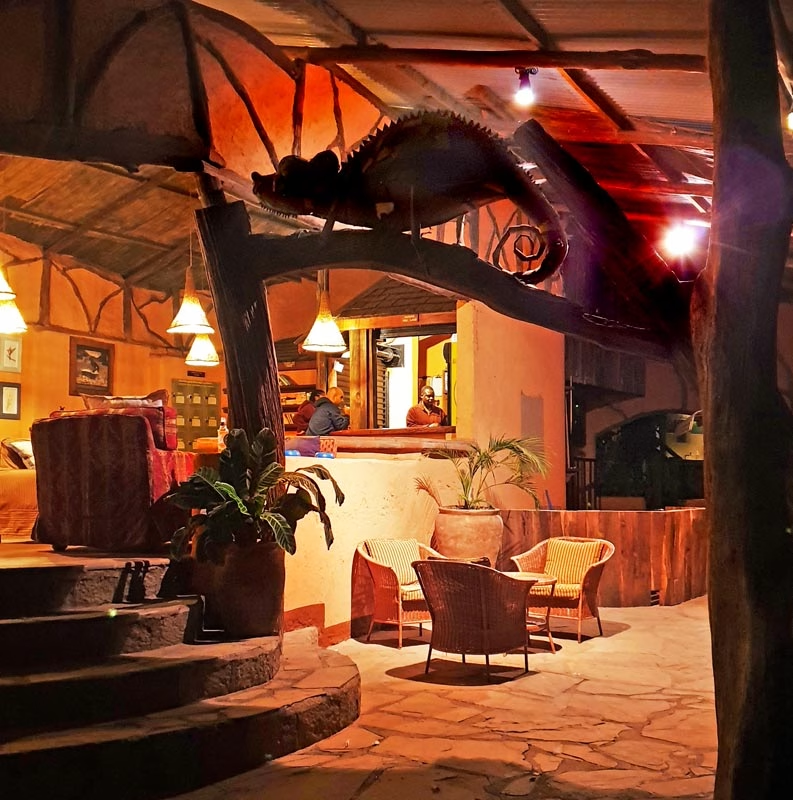
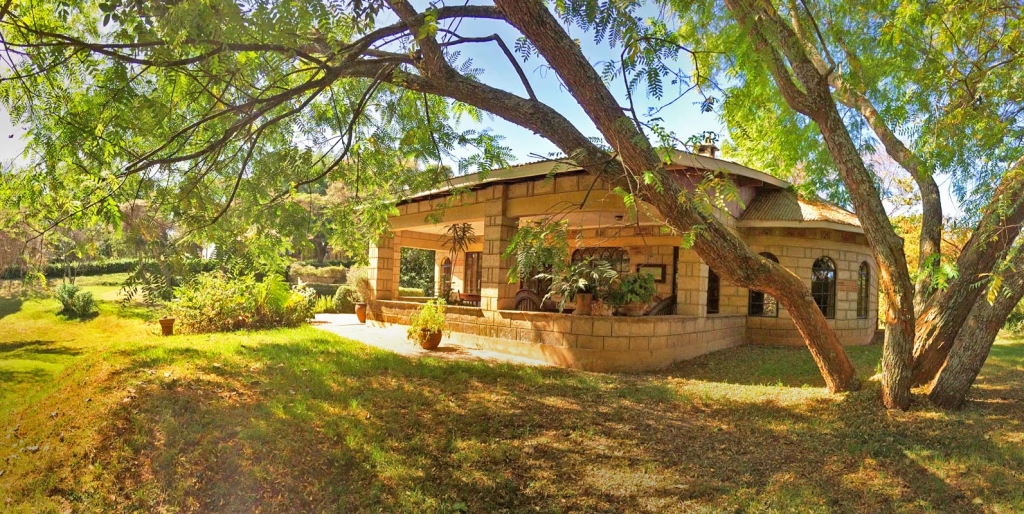
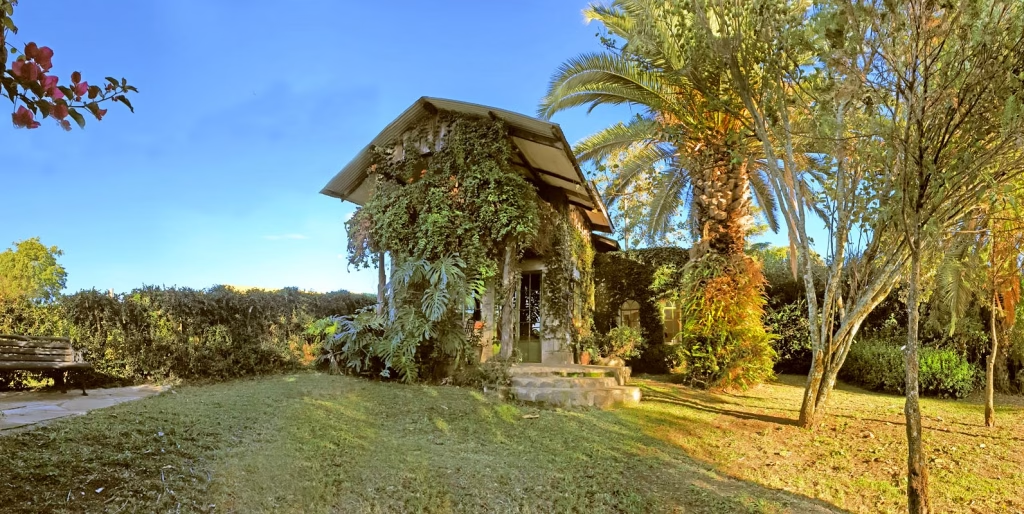
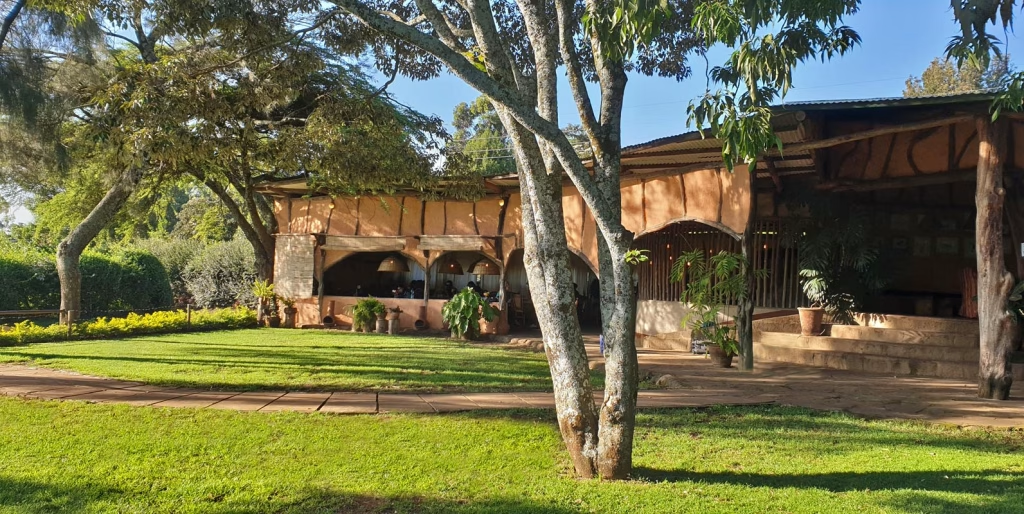
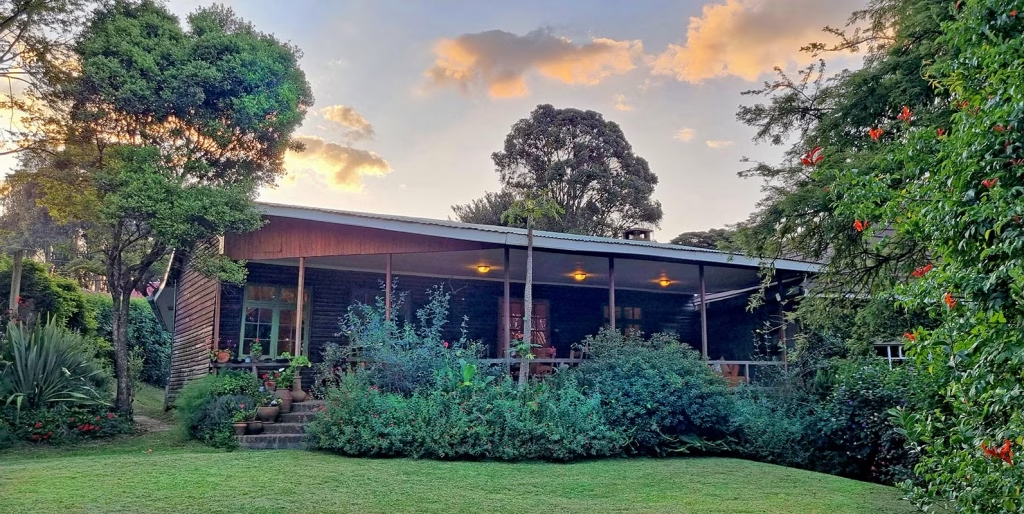
For travelers looking for budget accommodation near Lake Nakuru National Park without sacrificing charm or comfort, Kembu Campsite offers a truly unique stay. The name Kembu comes from the Kikuyu word ki’mbu, meaning chameleon, a nod to the colorful reptiles that thrive in the hedges and bushes around the farm. Located on the working Kenana Farm, the campsite and surrounding cottages blend rustic adventure with farm life, eco-conscious living, and warm Kenyan hospitality.
Location
The property is about 8 km from Njoro town and a 30-minute drive to Lake Nakuru National Park. It sits on a 400-hectare highland farm with panoramic views of the Great Rift Valley. Guests enjoy a serene countryside setting surrounded by acacia woodland, farmland, and birdlife.
Access
From Nairobi, it’s a 3.5–4-hour drive (190 km) on good roads. For those arriving by air, flights land at Naishi Airstrip, followed by a transfer. Self-drivers will find the campsite accessible with 2WD, though a 4×4 is recommended for the park.
Rooms & Suites
Accommodation at Kembu is flexible and suits all budgets:
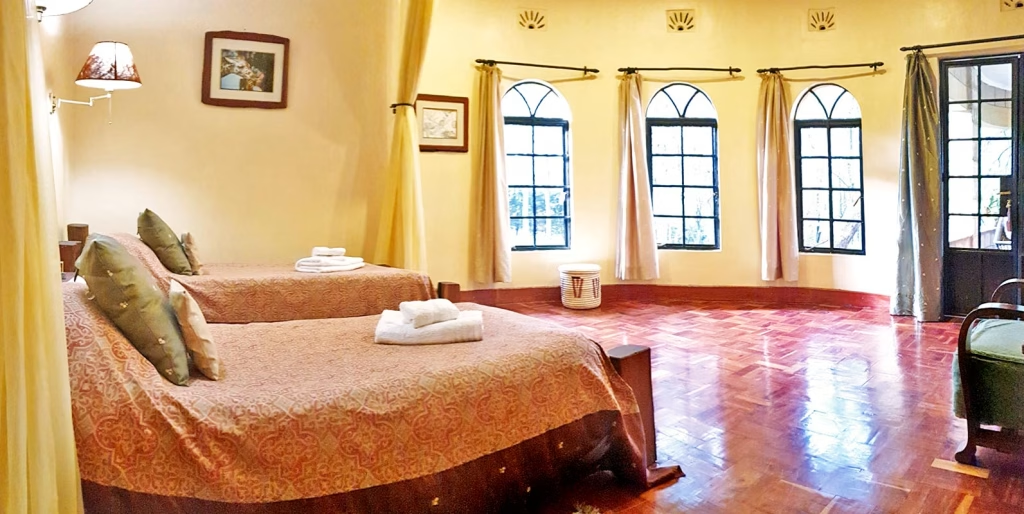
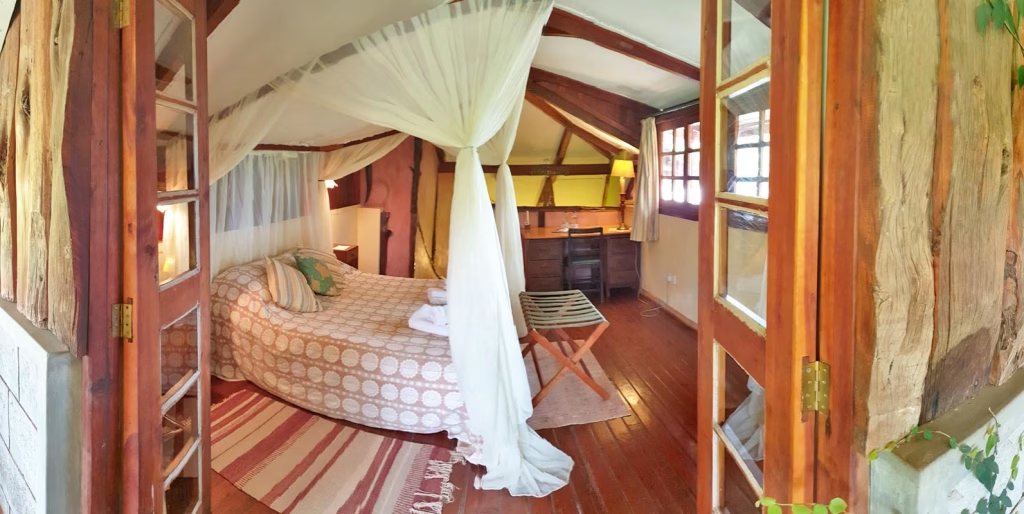
Cottages – Options include Foresters Cottage, Acacia Cottage, Kenana Cottage, Cedar Cottage, Octagon Cottage, Albizia Cottage, Mutati Cottage, and Beryl’s Cottage. These are ideal for families or groups wanting privacy and comfort.
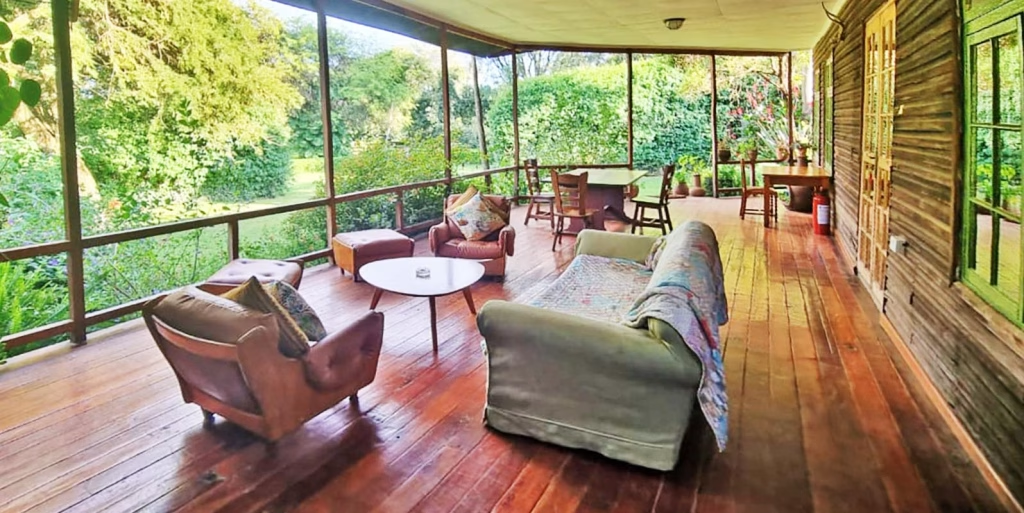
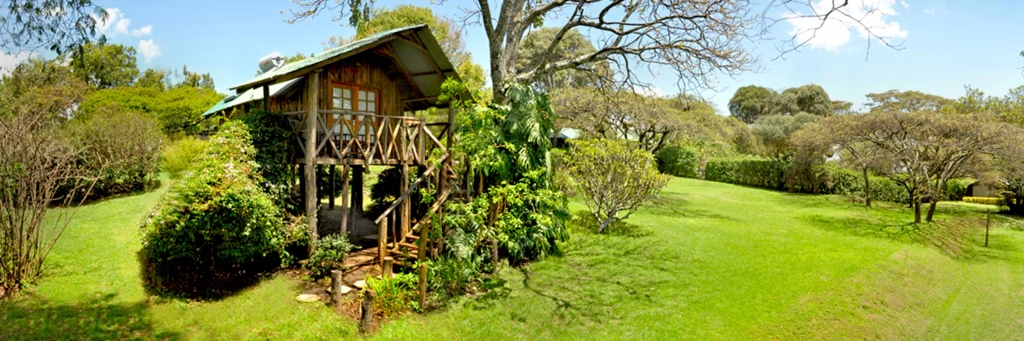
Specialty Stays – The quirky Tree House, Cobbs Carriage, and Andrew & Zoe’s House add a unique twist.
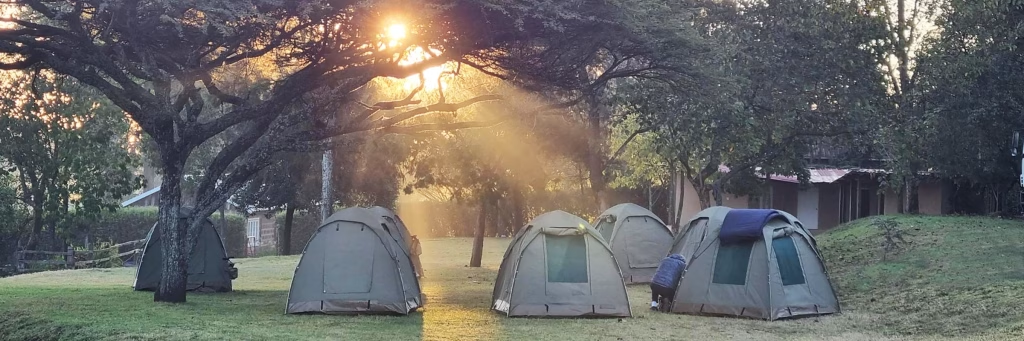
Group Options – Kembu Bunkhouse for large groups and students, plus the campsite with terraced lawns for tents. Safari dome tents with mattresses and bedding are available for hire.
This variety makes Kembu perfect for backpackers, families, eco-travelers, and groups.
Facilities & Amenities
Clean showers, toilets, and laundry/washing-up areas for campers
Fire pits and cooking areas (no damaging campfire scars allowed)
Wi-Fi, charging lockers, and fresh coffee available at the lounge
Gardens, walking trails, and birdwatching areas
Access to the Kenana Stables, Kenana Dairy, and Kenana Knitters community project
Bar
The Kembu Bar is a cozy hub for guests, featuring a roaring fire, chilled beers, wines, and spirits. It’s the perfect spot for swapping safari stories under the cool highland evenings.
Meetings & Conferencing
While it doesn’t have a formal conference center, Kembu’s open lawns, cottages, and pavilions are often used for retreats, workshops, and team-building sessions. The Wedding Ceremony Venue is also popular for rustic countryside weddings.
Restaurants & Meals
Dining is centered at the Pioneers Bar & Restaurant and Garden Terrace, which serve farm-to-fork meals using produce grown on-site. Highlights include:
Homegrown vegetables, eggs, dairy, bread, and pasta
Seasonal dishes that change with the farm harvest
A full menu ranging from nachos and falafel to hearty burgers, pizzas, pastas, and Kenyan staples
Desserts such as lavender ice cream and sticky toffee date cake
Country-style dining on the terrace or private “Lunch on the Lawn” beneath shaded trees
Activities
Bird watching and nature walks on the farm
Farm tours of the dairy, stables, and artisan workshops
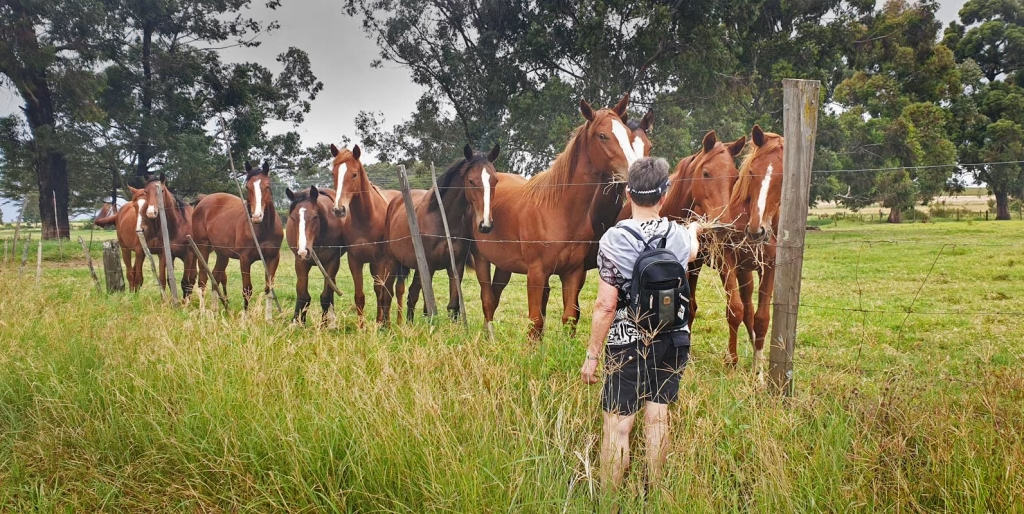
Horse riding at Kenana Stables
Craft shopping at Kenana Knitters
Tree planting experiences for conservation-minded guests
Day trips to Lake Nakuru for game drives
Board games and campfire socials at night
With its blend of farm life, sustainability, and safari proximity, Kembu Campsite (Kenana Farm) is the ultimate countryside escape. Whether you’re after cheap accommodation near Lake Nakuru, a family-friendly farm cottage, or an eco-conscious group retreat, Kembu delivers a wholesome and memorable stay.
Comparison of Lake Nakuru Accommodation Options
Here’s a quick guide to help you choose the right Lake Nakuru accommodation based on location, price, and experience:
Accommodation
Location
Price Range
Best For
Unique Features
Sarova Lion Hill Game Lodge
Inside Park
Mid–Upper
Families, couples, comfort seekers
Rift Valley views, eco-certified, cultural nights
Lake Nakuru Sopa Lodge
Inside Park
Mid
Families, groups
Infinity pool, panoramic escarpment views, wheelchair access
Lake Nakuru Lodge
Inside Park
Mid
Eco-conscious, activity lovers
Horse riding, MatiSpa, bush breakfasts
Flamingo Hill Tented Camp
Inside Park
Mid (boutique)
Couples, photographers
25 luxury tents, eco-conscious, small & intimate
Sarova Woodlands Hotel & Spa
Outside Park (Nakuru Town)
Upper
Business + safari, luxury seekers
Leather Bar, spa, Sunday Brunch, 3,000-guest lawns
Kembu Campsite (Kenana Farm)
Outside Park (Njoro)
Budget
Backpackers, eco-travelers, families, groups
Farm-to-fork dining, cottages, tree house, Kenana Knitters
FAQs About Lake Nakuru Accommodation
What is the best accommodation in Lake Nakuru National Park?
For luxury inside the park, Sarova Lion Hill Game Lodge stands out with eco-certification and award-winning service. For boutique charm, Flamingo Hill Tented Camp is perfect for couples and photographers.
Is it better to stay inside or outside Lake Nakuru National Park?
Inside the park: Ideal for safari immersion, early game drives, and wildlife views from your room.
Outside the park: Best for lower rates, access to Nakuru town’s amenities, and more diverse dining and nightlife.
Are there cheap accommodation options in Lake Nakuru?
Yes. Kembu Campsite (Kenana Farm) offers camping from $15 per person, plus budget cottages. It’s perfect for backpackers, students, and eco-conscious travelers.
What are Lake Nakuru accommodation prices like?
Luxury lodges inside the park: $200–$400 per night (full board).
Mid-range options: $150–$250 per night.
Budget stays (Kembu Campsite): From $15 per night for camping, $50+ for cottages.
How much are Lake Nakuru Sopa Lodge prices?
Rates vary by season:
Peak (July–Sept, Dec–Jan): From $249 single / $409 double.
Low (Apr–Jun): From $159 single / $228 double. This makes it one of the most flexible Lake Nakuru accommodation rates for families.
Where is Lake Nakuru Sopa Lodge located?
It’s on the western escarpment of the Rift Valley, inside Lake Nakuru National Park, about 165 km from Nairobi.
Does Lake Nakuru Lodge offer special activities?
Yes, including horse riding, bush breakfasts, spa treatments, bird watching, and game drives—making it one of the most activity-rich accommodation in Lake Nakuru National Park.
Is Flamingo Hill Tented Camp good for families?
It’s better suited for couples and small groups seeking intimacy. Families may find more space and amenities at Lake Nakuru Lodge or Sopa Lodge.
What’s the most luxurious stay outside Lake Nakuru?
Sarova Woodlands Hotel & Spa in Nakuru town offers spa treatments, fine dining, and modern facilities. It’s ideal for combining safari with business or urban activities.
Book Lake Nakuru Accommodationwith us
Choosing where to stay around Lake Nakuru depends on the experience you want. Stay inside the park for full immersion, wildlife at your doorstep, and iconic views. Choose outside the park for flexibility, budget options, and access to Nakuru town’s services.
Whatever your preference, booking through a professional safari operator ensures your accommodation, game drives, and transfers are seamless. At Campo East Africa Safaris, we tailor safari itineraries that match your style and secure the best Lake Nakuru accommodation for your needs.
If you’re short on time, our 2 Days, 1 Night Lake Nakuru National Park Safari package is the perfect way to experience the park’s wildlife and enjoy a comfortable stay without the stress of planning.
Nestled in Kenya’s Great Rift Valley, Lake Nakuru National Park offers far more than just its iconic flamingo-filled lake. From thrilling wildlife encounters to peaceful waterfall hikes, this compact yet diverse park brims with unforgettable experiences. Whether you’re visiting for a day or staying overnight, here are ten must-do activities that showcase the park’s full splendor.
Top Activities in Lake Nakuru National Park
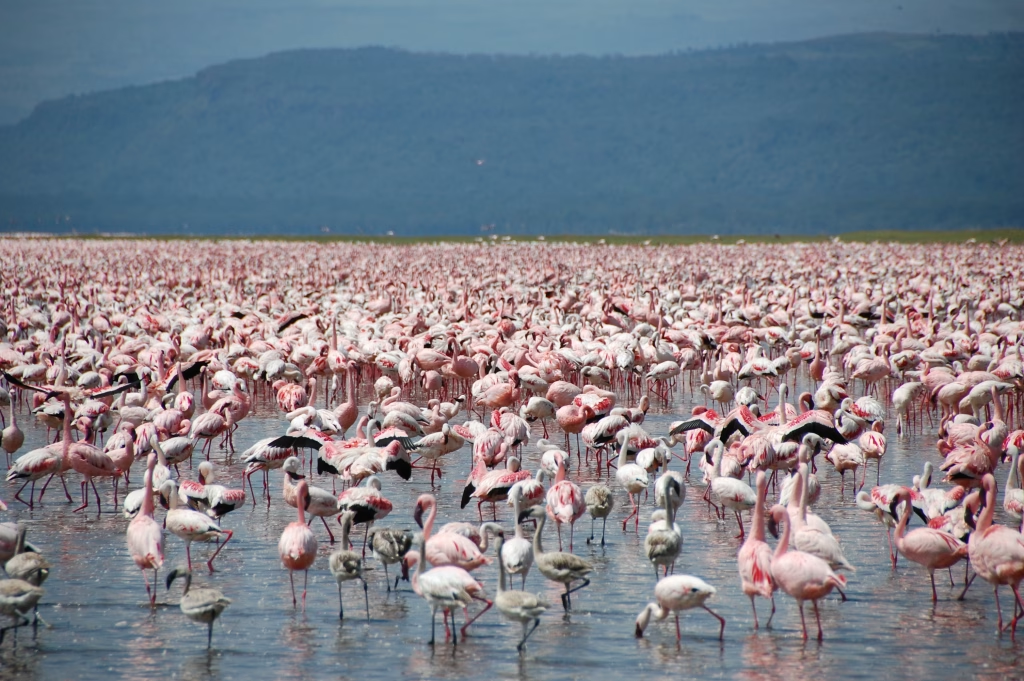
1. Watch Flamingos Paint the Lake Pink
Lake Nakuru is world-famous for its dramatic pink-hued shoreline, thanks to thousands of lesser and greater flamingos. These birds flock to the lake in mesmerizing numbers, feeding on blue-green algae in the shallow soda waters. The best spots for flamingo viewing include Baboon Cliff and Out of Africa Viewpoint, which offer panoramic lake views. Flamingo populations fluctuate with rainfall and water levels, but even in off-peak seasons, the scene remains vibrant with other waterbirds like pelicans, herons, and storks adding to the spectacle.
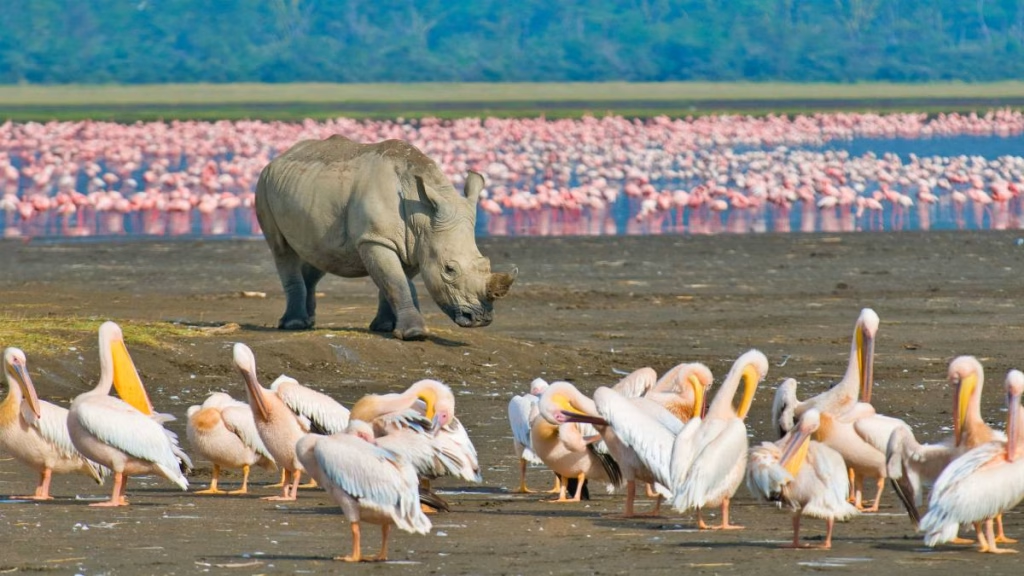
2. Spot White and Black Rhinos on Safari
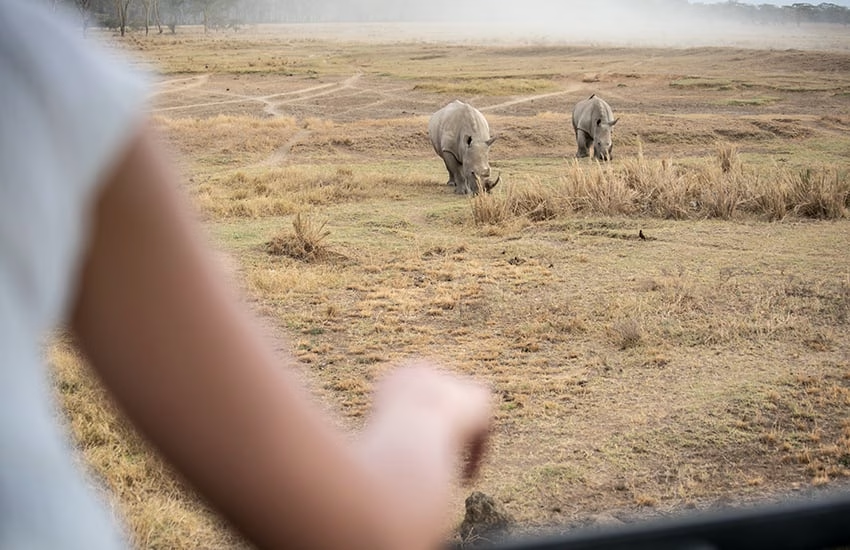
Lake Nakuru National Park is one of Kenya’s best places to see both white and black rhinoceroses in the wild. As Kenya’s first designated rhino sanctuary, the park is home to over 100 rhinos, most of them white. Thanks to strict conservation measures and electric fencing, sightings are frequent—especially in the open grasslands on the southern side of the lake. The contrast between the stocky white rhino and the elusive, hooked-lipped black rhino makes for a thrilling photographic opportunity and a vital conservation story.
rhino in lake nakuru national park, kenya
3. Encounter Rothschild’s Giraffes in Acacia Woodlands
Lake Nakuru is one of the few protected areas where you can see the endangered Rothschild’s giraffe, known for its pale legs and lack of markings below the knees. Reintroduced to the park in the 1970s, these graceful giants now roam freely in the park’s lush acacia forests and savannah edges. Watching them move through the golden light of early morning or late afternoon is a highlight for many visitors. Their calm demeanor and close proximity to roads make them ideal subjects for wildlife photography.
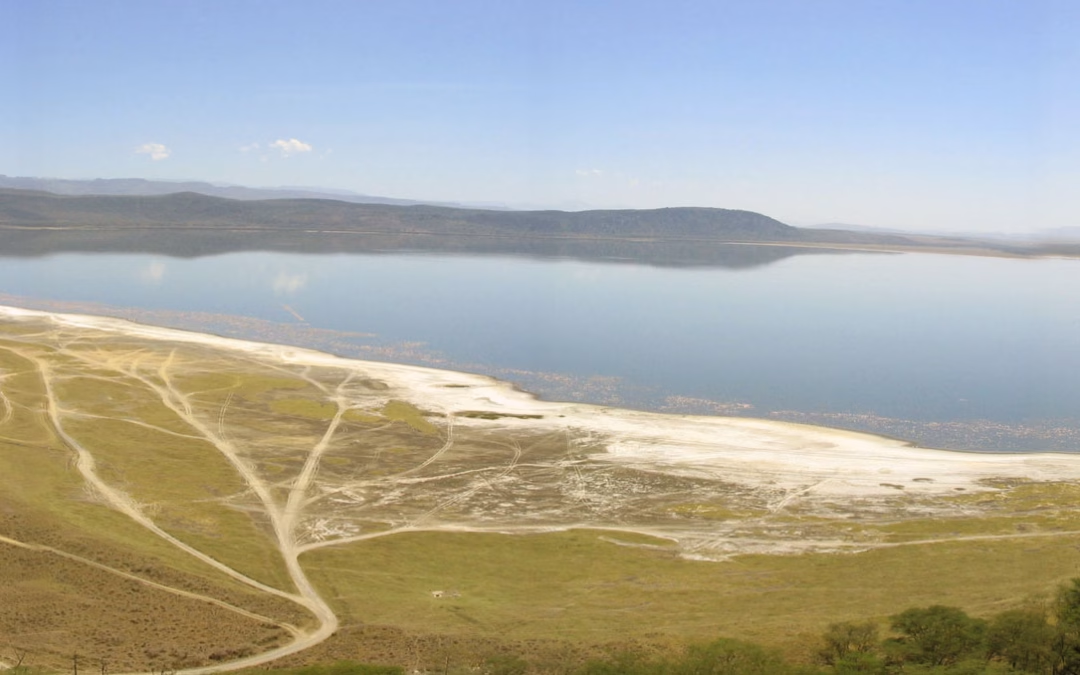
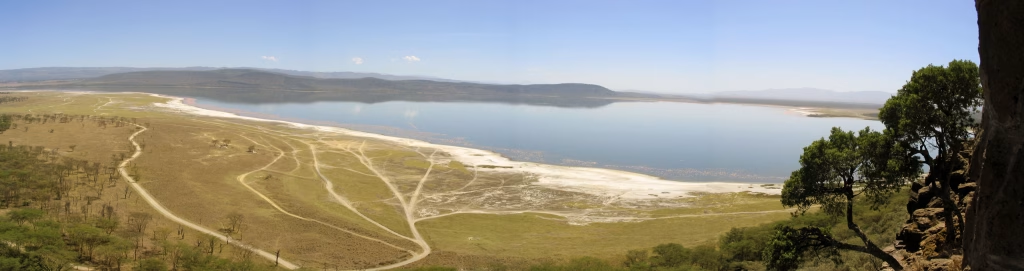
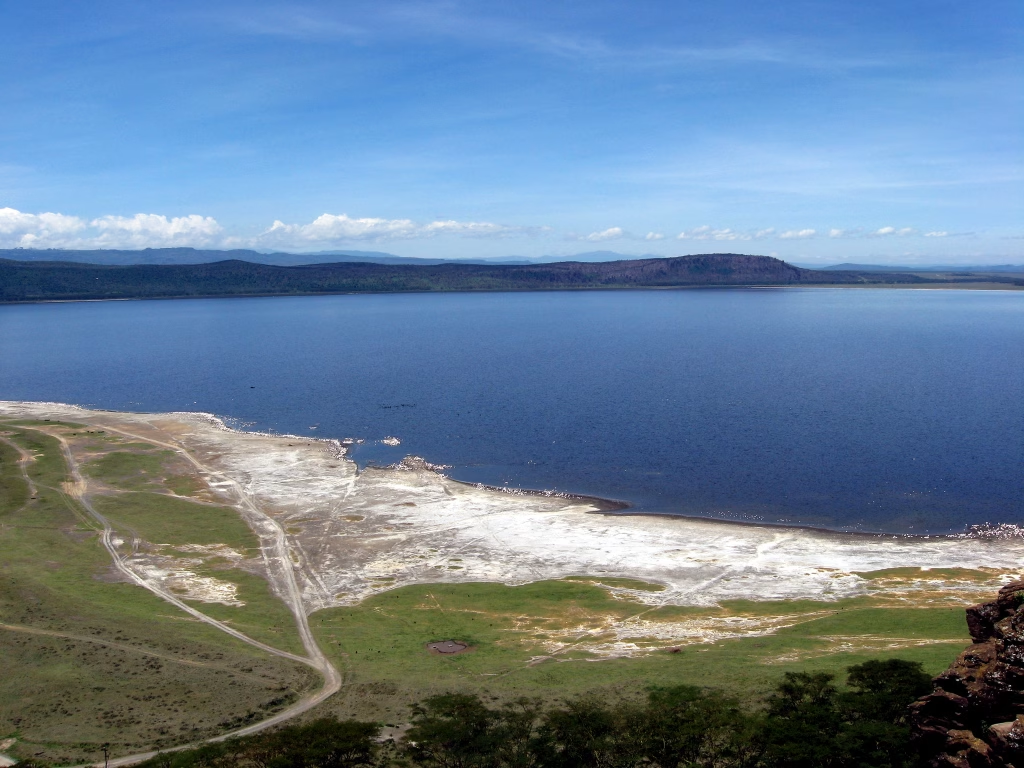
4. Take in Panoramic Views from Baboon Cliff
One of the most iconic viewpoints in the park, Baboon Cliff offers sweeping vistas of Lake Nakuru and its surrounding escarpments. It’s an ideal stop for stretching your legs during a game drive and capturing wide-angle photos of the flamingo-lined shore. The area is named after the baboons often seen lounging nearby, though the real attraction is the breathtaking elevation that gives you a bird’s-eye view of the entire park. Arrive early or late in the day for the best light and fewer crowds.
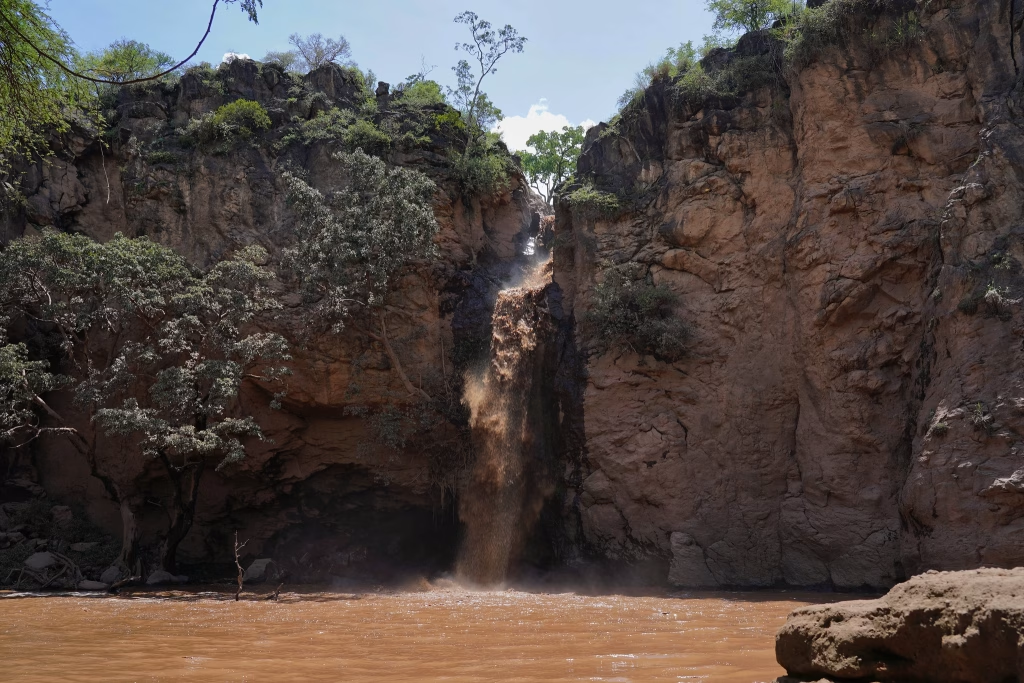
5. Picnic at the Scenic Makalia Falls
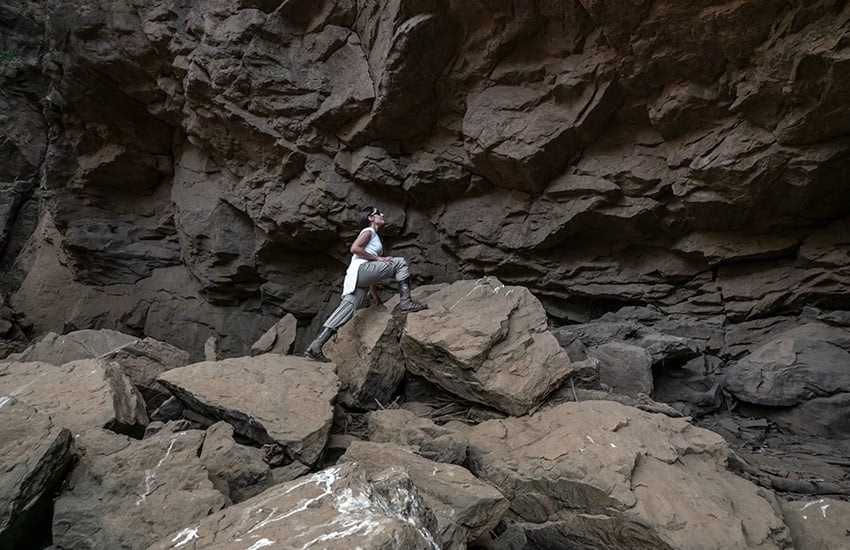
Tucked away in the southern end of the park, Makalia Falls is a hidden gem that rewards those willing to venture a little off the main safari circuit. The falls are especially impressive during the rainy season when water cascades down the rugged rock face into a shallow pool below. Surrounded by lush vegetation and occasional wildlife sightings, this spot offers one of the most serene picnic areas in Lake Nakuru. It’s a perfect break from game viewing—just make sure you bring a 4×4 to access it safely.
7. Discover Birdwatching Beyond Flamingos
While flamingos are the headline act, Lake Nakuru is a birdwatcher’s paradise with over 450 recorded species. The park’s mix of aquatic, woodland, and savannah habitats attracts everything from majestic African fish eagles to vibrantly colored lilac-breasted rollers. Birding enthusiasts will appreciate sightings of pelicans, cormorants, kingfishers, and the endangered grey crowned crane. Whether you’re a seasoned birder or a casual observer, a pair of binoculars and a guidebook will quickly turn your safari into an avian treasure hunt.
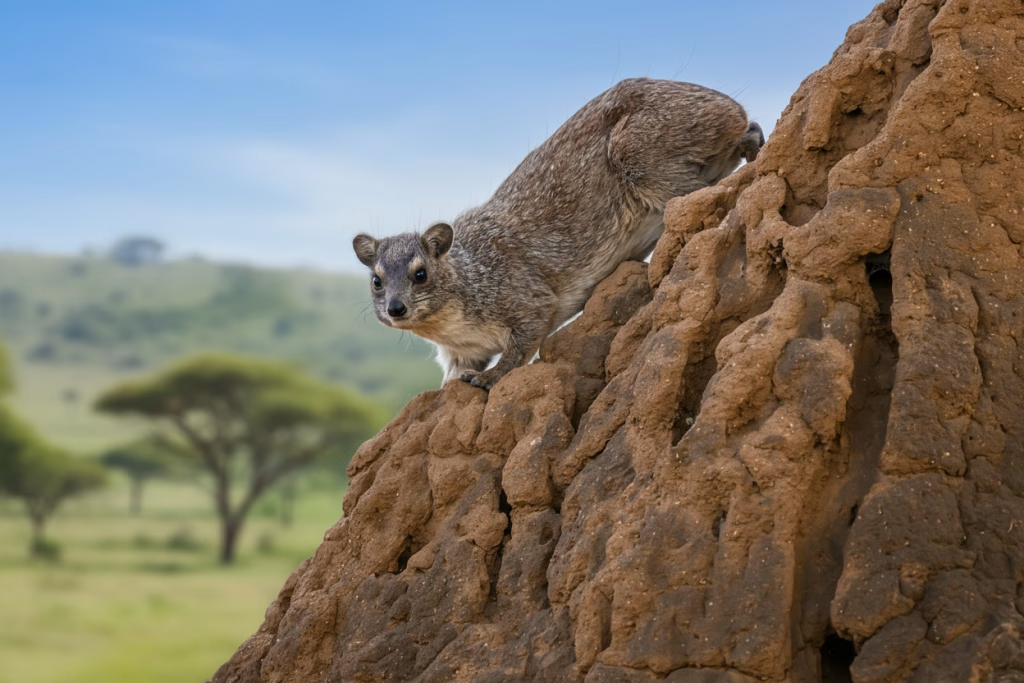
8. Walk Among Prehistoric Sites at Hyrax Hill
Just a short drive from the park’s main gate, Hyrax Hill Prehistoric Site offers a fascinating look into the region’s ancient human history. Excavations here have revealed evidence of Neolithic and Iron Age settlements, including burial sites, pottery, and tools. The on-site museum displays these artifacts alongside interpretive exhibits, making it an ideal cultural complement to your safari. A brief walking trail takes you to the top of the hill, where panoramic views of Nakuru town and Lake Nakuru await.
9. Explore the Out of Africa Viewpoint
Named after the iconic film, the Out of Africa Viewpoint provides one of the most cinematic panoramas in Lake Nakuru National Park. Perched on the eastern escarpment, it delivers sweeping views of the lake, acacia woodlands, and distant Mau Escarpment. The viewpoint is especially popular during sunrise and sunset, when the light softens and wildlife silhouettes appear below. It’s a peaceful spot for quiet reflection, photography, or simply soaking in the vast beauty of the Rift Valley.
10. Enjoy a Guided Nature Walk with a Ranger
For a more intimate encounter with the park’s landscape, a guided nature walk led by a Kenya Wildlife Service ranger offers a chance to slow down and connect with nature on foot. These walks are typically conducted in designated safe zones and reveal details often missed from a vehicle—tracks, droppings, plants, insects, and smaller animals. With your guide’s insights, you’ll gain a deeper understanding of Lake Nakuru’s ecology and conservation efforts. It’s a calm, educational break from the usual game drive.
Best Time to Visit Lake Nakuru National Park
Lake Nakuru National Park can be visited year-round, but your experience may vary depending on the season. The dry season, from June to February, is ideal for game viewing, as animals gather near the lake and visibility improves. This is also the best time for photography, with clear skies and golden light at sunrise and sunset.
The wet season, from March to May and November to early December, transforms the park into a lush green haven. While some roads may become muddy, birdwatchers and photographers will love the vibrant scenery and dramatic skies. Flamingo numbers may fluctuate based on water levels, but other waterbirds remain plentiful throughout the year.
Practical Tips for Visiting Lake Nakuru National Park
To make the most of your trip, aim for early morning or late afternoon game drives when wildlife is most active and lighting is ideal for photography. A 4×4 vehicle is highly recommended, especially during the rainy season, as some roads can become slippery or flooded.
Pack binoculars, a camera with a zoom lens, sun protection, insect repellent, and layered clothing—mornings can be chilly, while afternoons may get quite warm. Always follow park rules: stay in your vehicle unless in designated areas, keep a safe distance from animals, and avoid loud noises.
For a richer experience, consider hiring a local guide or joining a professional tour operator who knows the best routes and wildlife hotspots.
Plan Your Lake Nakuru Safari with Confidence
Lake Nakuru National Park offers an unforgettable blend of wildlife, landscapes, and cultural history—perfect for first-time safari-goers and seasoned explorers alike. Whether you’re marveling at flamingos, tracking rhinos, or picnicking by a waterfall, each experience adds a unique layer to your journey through Kenya’s Great Rift Valley.
To truly make the most of it, consider a professionally guided trip that handles every detail. Our 2 Days, 1 Night Lake Nakuru National Park Safari is the perfect way to explore the park’s top attractions without the stress of planning. With expert guides, comfortable accommodation, and seamless logistics, it’s the ideal escape into one of Kenya’s most captivating national parks.





Recent Comments