
Tsavo West National Park: The Land of Lava, Springs, Rhinos and Magical Sunsets
Tsavo West National Park is a rugged Kenya safari gem shaped by black lava, clear springs, rhino country, and wide sunset views.
This is the land of Mzima Springs, Shetani Lava Flow, Ngulia Rhino Sanctuary, Chaimu Hill, Roaring Rocks, and Lake Jipe. It feels wild, scenic, and full of contrast. Dry plains meet green oases. Rocky ridges rise above acacia woodland. Crocodiles rest near clear water, while elephants move through red soil.
Tsavo West National Park suits travelers who want more than game drives. It is ideal for scenery, birding, conservation stories, and slow safari days. The park also works well with Amboseli, Tsavo East, Taita Hills, and the Kenya coast.
Table of contents
History and Background of Tsavo West National Park
Activities and Things to Do in Tsavo West National Park
Key Attractions in Tsavo West National Park
Wildlife and Birds of Tsavo West National Park
Accommodation in Tsavo West National Park
Best Time to Visit Tsavo West National Park
Getting to Tsavo West National Park
Visit Tsavo West National Park with Campo East Africa Safaris
FAQs
History and Background of Tsavo West National Park
Tsavo West National Park forms part of the larger Tsavo wilderness in southern Kenya. It sits along the Nairobi-Mombasa route and links well with several safari circuits.
The park covers about 7,065 square kilometers, according to the Kenya Wildlife Service Tsavo West page. Its mix of lava flows, hills, springs, woodland, plains, and rivers gives it a strong scenic identity.
The wider Tsavo ecosystem
Tsavo West National Park complements Tsavo East National Park rather than copying it. Tsavo East is famous for open plains, red elephants, and vast space. You can compare that landscape in Campo’s guide to Tsavo East National Park.
Tsavo West National Park feels more varied. It offers springs, lava fields, hills, viewpoints, rhino conservation, and shaded river areas. For travelers planning a longer Kenya safari, this contrast is useful.
The Man-Eaters of Tsavo story
Tsavo West National Park is also tied to railway history. During construction of the Kenya-Uganda Railway in 1898, lions attacked railway workers in the Tsavo region.
Today, this story adds context to the area. Yet the park’s strongest appeal is its living landscape. Its wildlife, springs, viewpoints, and volcanic features now define the visitor experience.
A park shaped by fire and water
Tsavo West National Park is a place of strong contrasts. Shetani Lava Flow shows the park’s volcanic side. Mzima Springs shows its softer, water-fed side.
This balance makes the park feel different each hour. Morning light warms the lava. Midday shade cools the spring paths. Evening views stretch across hills and plains.
Activities and Things to do in Tsavo East National Park
A safari in Tsavo West National Park should mix wildlife drives with scenic stops. Do not plan it as a simple drive-through park.
For a full activity guide, see our post on things to do in Tsavo West National Park.
Game drives in Tsavo West National Park
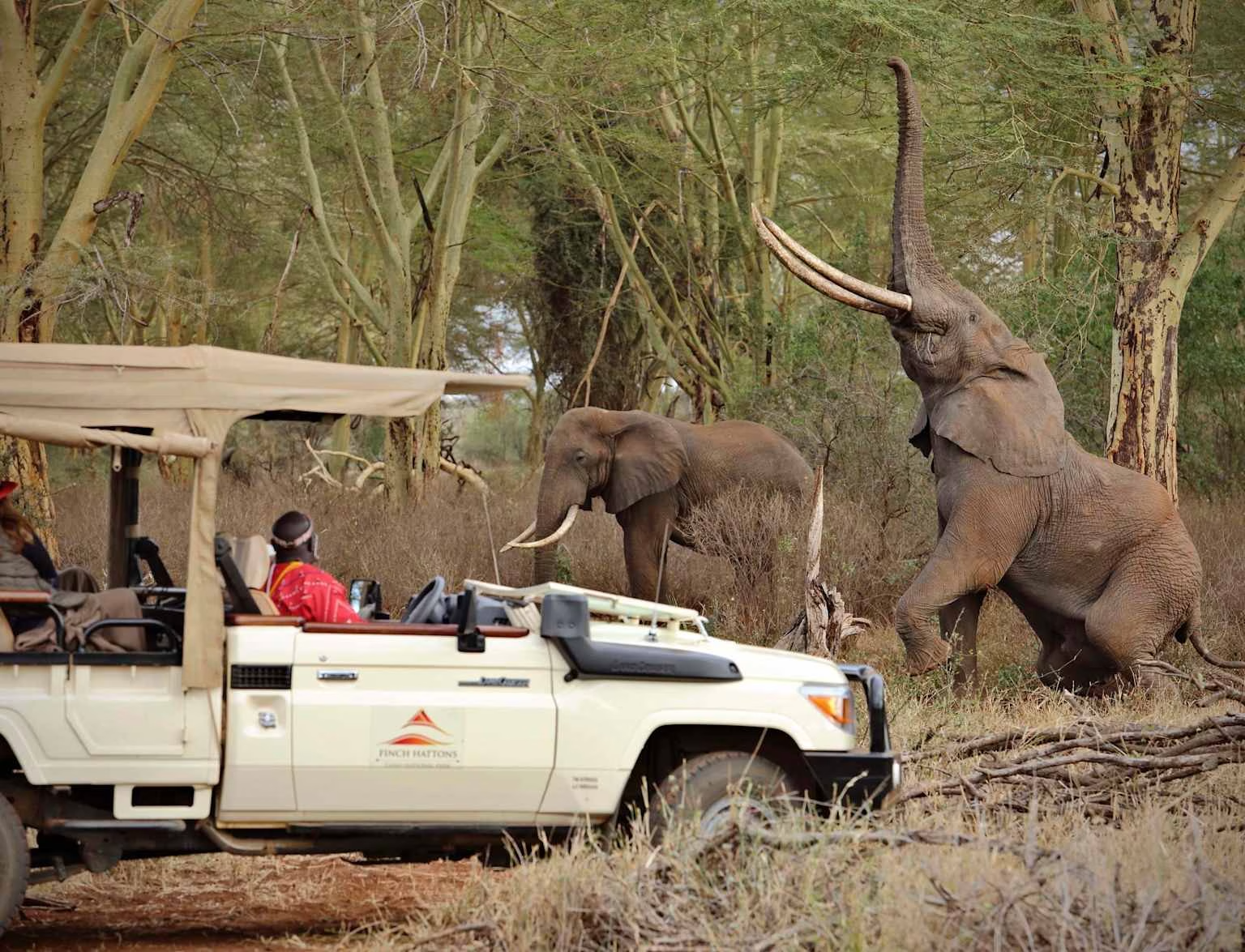
Game drives are the core activity in Tsavo West National Park. Early morning and late afternoon drives give the best light and cooler temperatures.
Look for elephants, buffalo, giraffes, zebras, lions, leopards, cheetahs, lesser kudu, oryx, dik-dik, and hyrax. Sightings vary because the park is rugged and wild.
Visit Mzima Springs
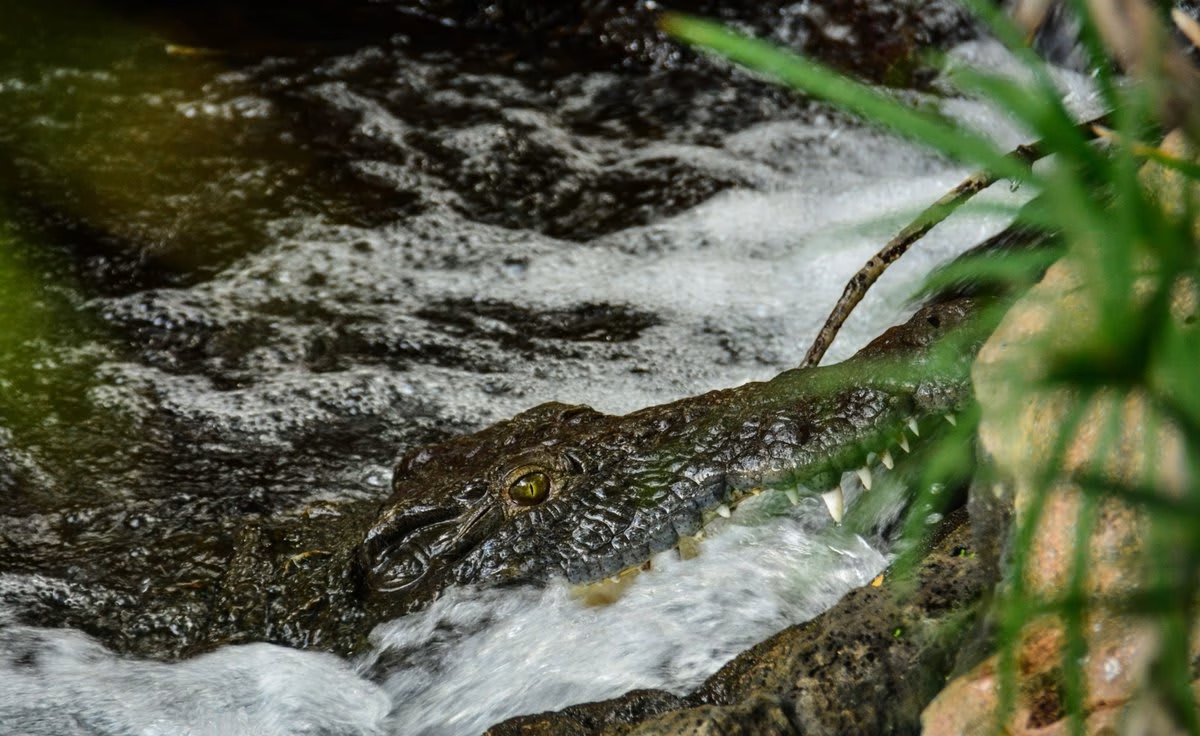
Mzima Springs is one of the most loved stops in Tsavo West National Park. Clear water rises from under lava rocks and feeds a green oasis.
Visitors may see hippos, crocodiles, fish, monkeys, and water birds. It is also a calm break from dusty game-drive tracks.
Explore Shetani Lava Flow
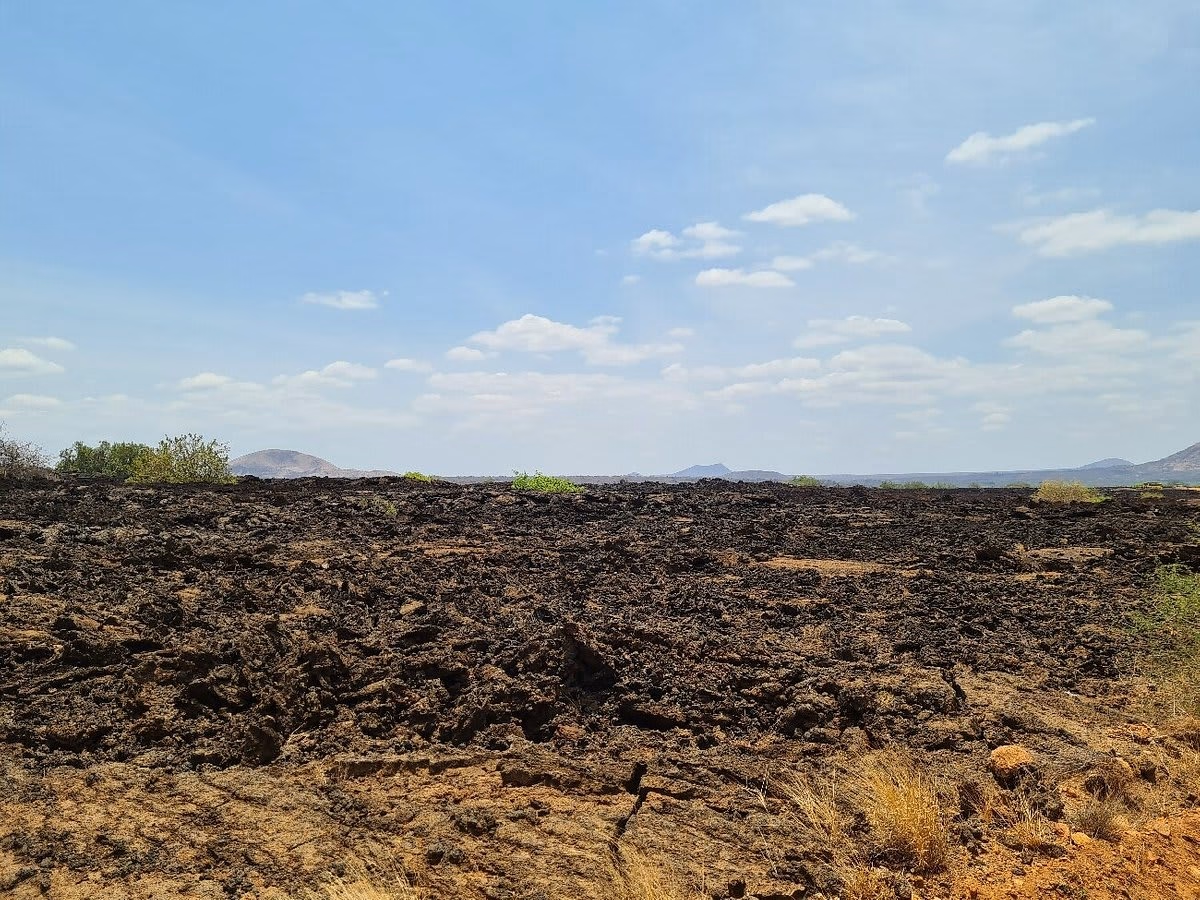
Shetani Lava Flow gives Tsavo West National Park a raw volcanic feel. The black lava field looks stark against the sky and dry bush.
Wear firm shoes here. Lava rock can be sharp, and heat can build during midday.
Hike Chaimu Hill
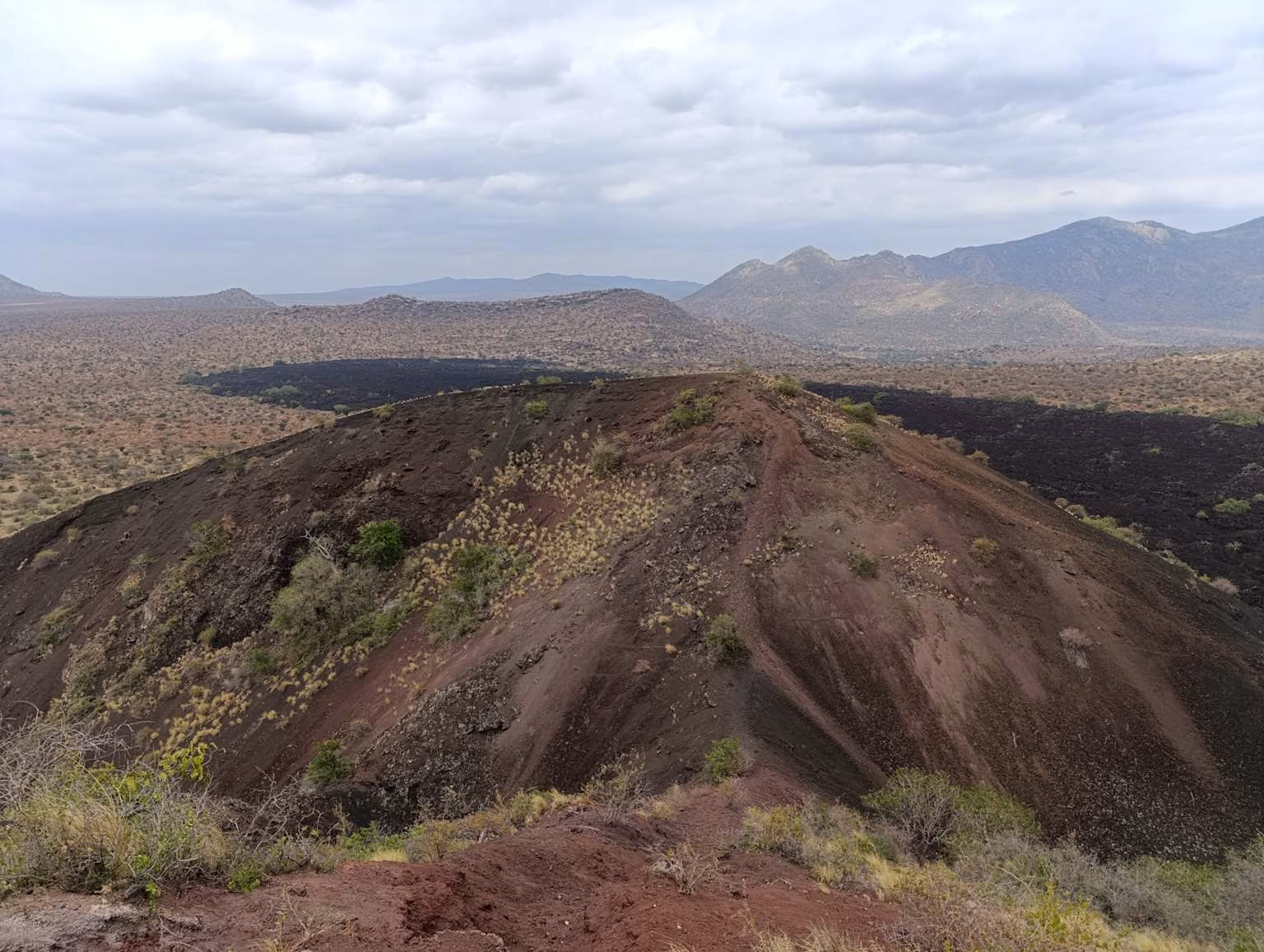
Shetani Lava Flow gives Tsavo West National Park a raw volcanic feel. The black lava field looks stark against the sky and dry bush.
Wear firm shoes here. Lava rock can be sharp, and heat can build during midday.
Visit viewpoints
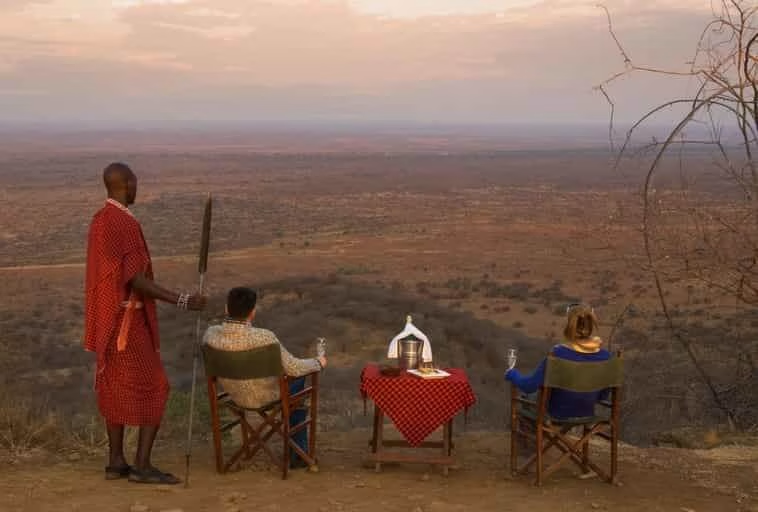
Shetani Lava Flow gives Tsavo West National Park a raw volcanic feel. The black lava field looks stark against the sky and dry bush.
Wear firm shoes here. Lava rock can be sharp, and heat can build during midday.
Go bird watching
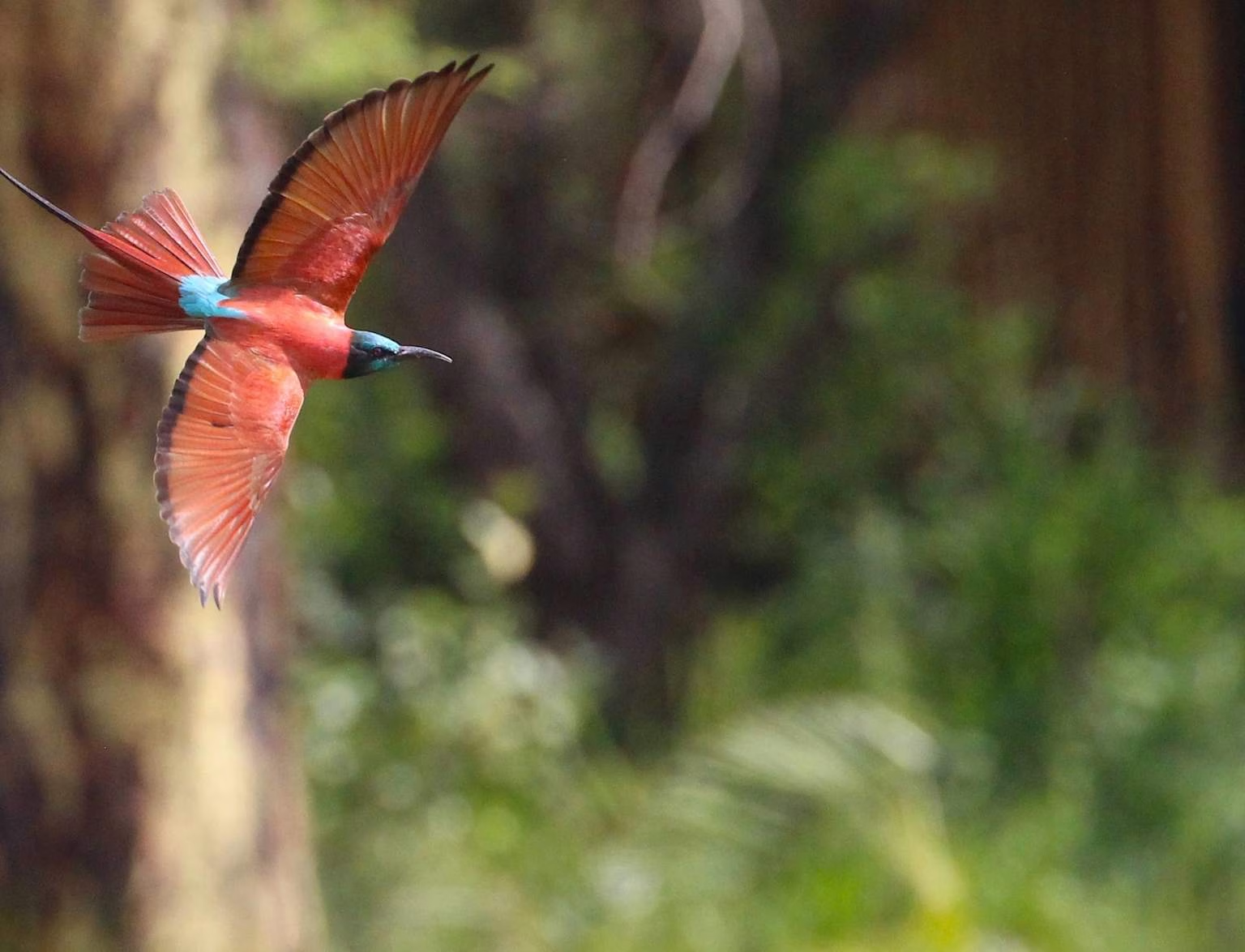
Tsavo West National Park has rich birdlife. KWS lists 600 recorded bird species in the park.
Lake Jipe and spring-fed areas are strong birding zones. Bring binoculars and slow the pace.
Key Attractions in Tsavo West National Park
Tsavo West National Park has many attractions within one rugged landscape. These stops shape the best safari routes. For a full attraction guide, see our post on key attractions in Tsavo West.
| Attraction | Why it matters |
|---|---|
| Mzima Springs | Clear spring water, hippos, crocodiles, fish, and shaded paths |
| Shetani Lava Flow | Black volcanic rock and local folklore |
| Chaimu Hill | A short climb with wide views |
| Ngulia Rhino Sanctuary | A key black rhino conservation area |
| Roaring Rocks | A high viewpoint near the Ngulia range |
| Poacher’s Lookout | A scenic stop with conservation history |
| Lake Jipe | Birding, aquatic life, and borderland scenery |
| Five Sisters of Tsavo Hills | Volcanic hills that frame wildlife photos |
Mzima Springs
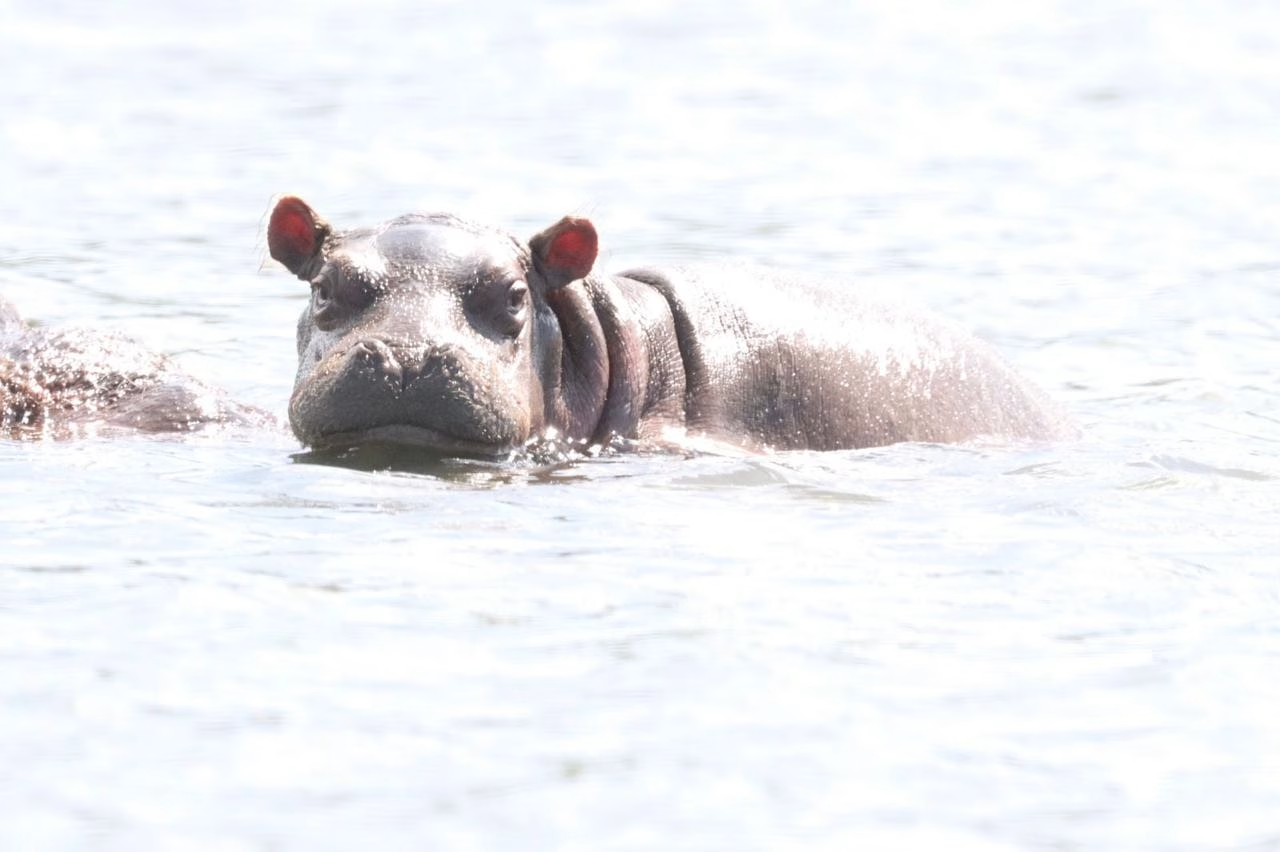
Mzima Springs is the signature oasis of Tsavo West National Park. Its clear water and green edges create a gentle scene within a dry landscape.
Shetani Lava Flow
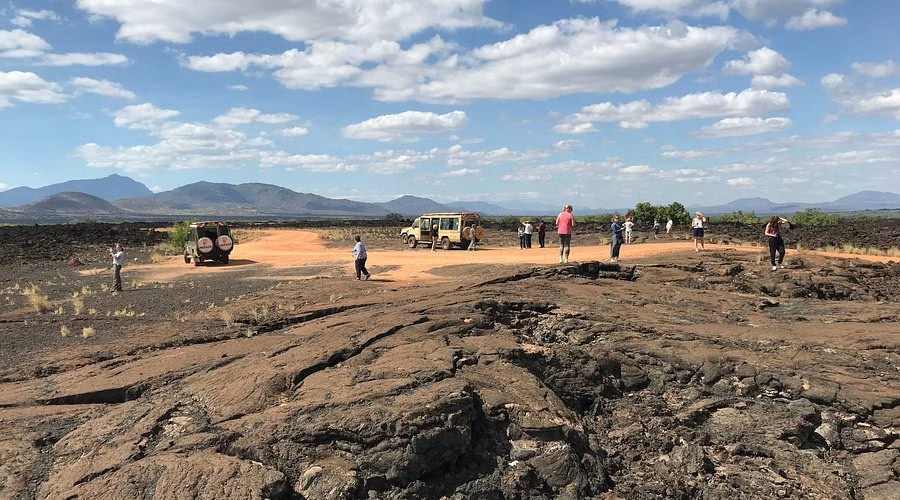
Shetani Lava Flow is one of the most striking sights in Tsavo West National Park. The dark lava field tells a story of heat, pressure, and local belief.
Ngulia Rhino Sanctuary
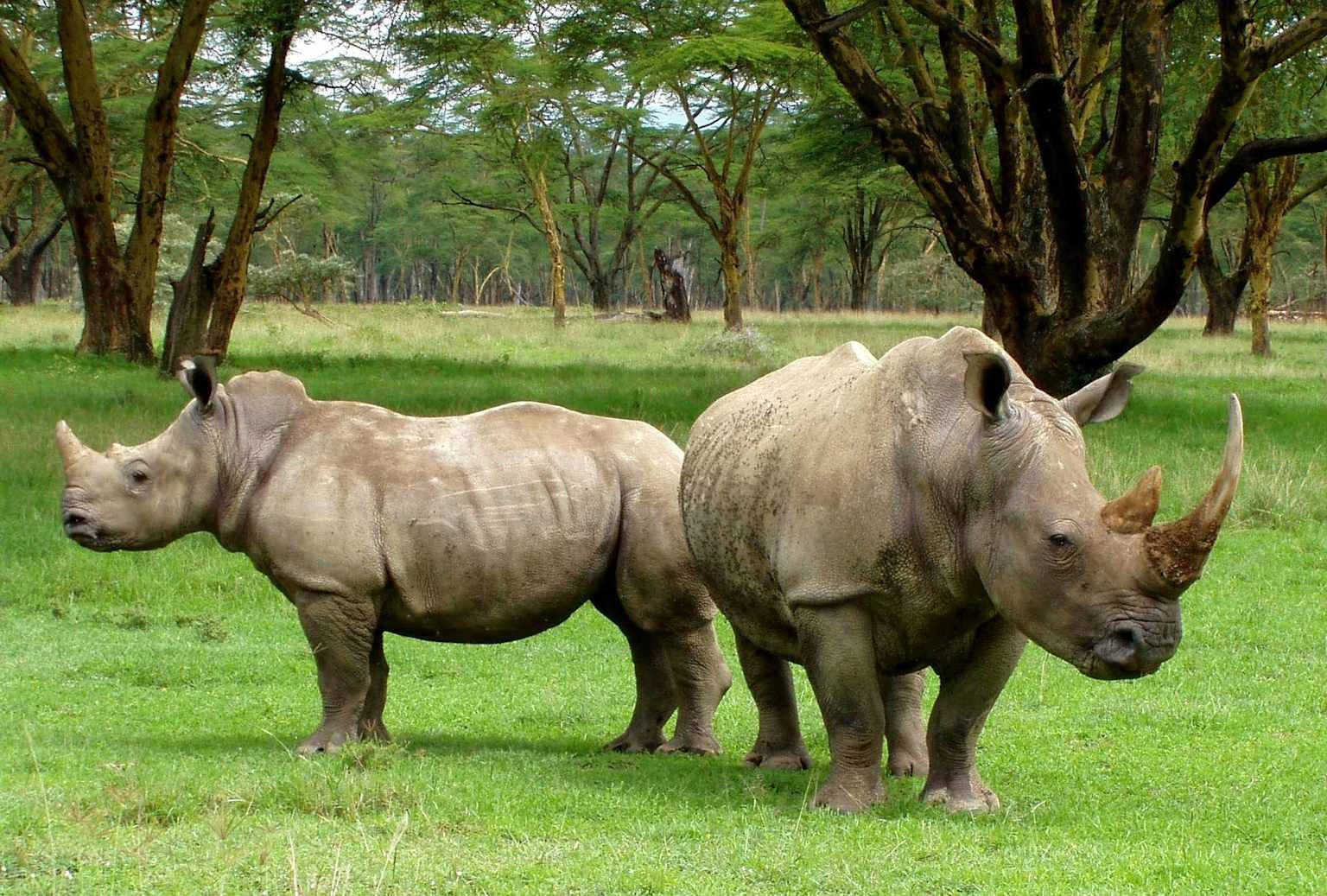
Ngulia Rhino Sanctuary gives Tsavo West National Park a strong conservation focus. It protects highly endangered black rhinos within the park.
Rhino sightings are never guaranteed. Still, the sanctuary adds depth to the safari.
Wildlife and Birds of Tsavo West National Park
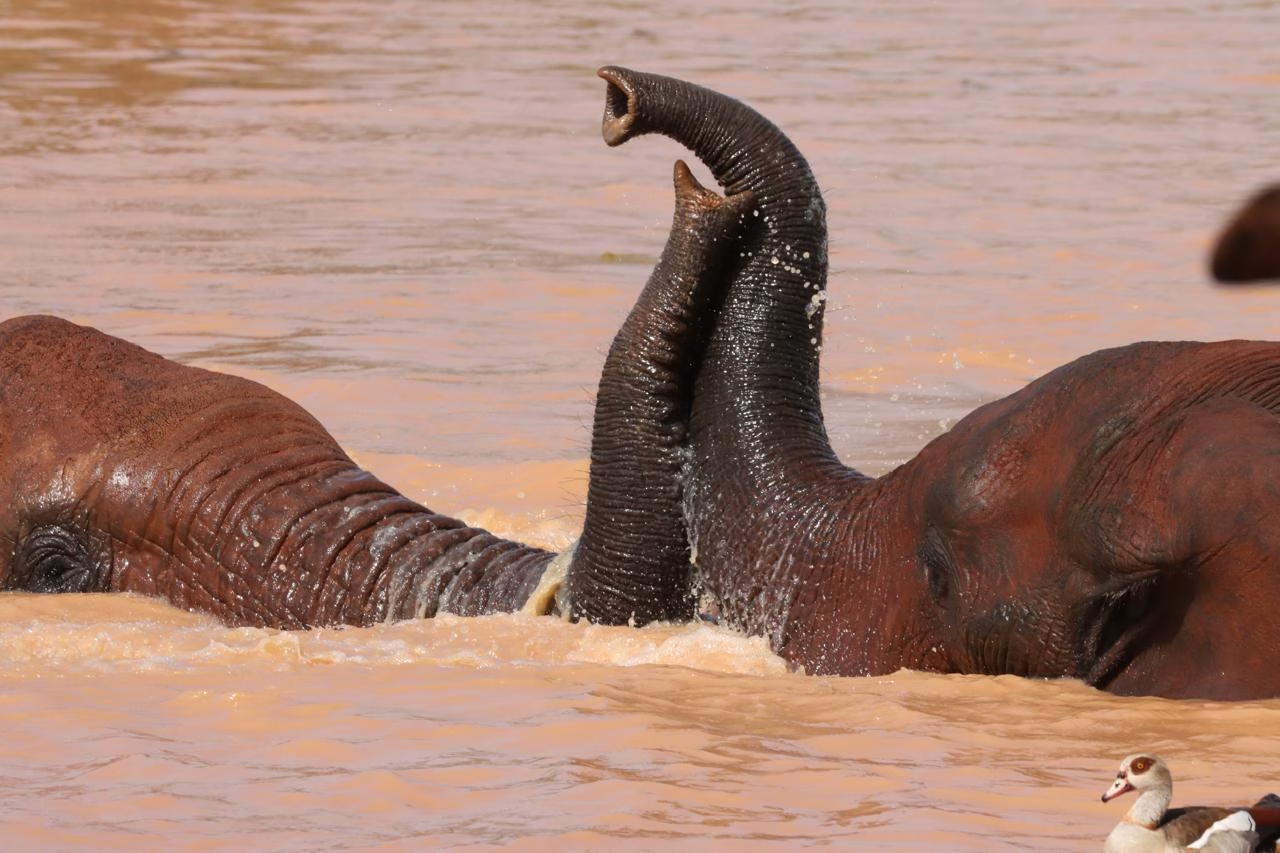
Tsavo West National Park is both a wildlife and scenery destination. Its animal sightings can feel more rewarding because the landscape is thick and varied.
Predators include lions, leopards, cheetahs, and wild dogs. Large herbivores include elephants, buffalo, giraffes, zebras, and oryx.
Smaller species also matter here. Look for dik-dik, mongoose, hyrax, lesser kudu, klipspringer, and nocturnal porcupine. Crocodiles are common around water areas.
Bird watchers should allow time for slow drives. Lake Jipe, Mzima Springs, and river habitats can add many sightings to a trip.
Accommodation in Tsavo West National Park
Accommodation in Tsavo West National Park ranges from classic safari lodges to tented camps and nearby conservancy stays.
For a full comparison, see our guide to the best Tsavo West accommodation options.
| Stay option | Location type | Best for |
|---|---|---|
| Kilaguni Serena Safari Lodge | Inside the park | Classic lodge comfort and waterhole views |
| Finch Hattons | Inside the park | Luxury, honeymoons, and high-end tented stays |
| Severin Safari Camp | Inside the park | Tented comfort and flexible room styles |
| Ngulia Safari Lodge | Inside the park | Views, value, and rhino sanctuary access |
| Rhino Valley Lodge | Inside the park | Rustic stays and practical routing |
| Voyager Ziwani | Adjacent private sanctuary | Night drives nearby and relaxed tented stays |
| Soroi Lions Bluff Lodge | Lumo Community Wildlife Sanctuary | Big views and conservancy atmosphere |
| Salt Lick Safari Lodge | Taita Hills Wildlife Sanctuary | Waterhole viewing and photo appeal |
| The Hildana Lodge | Taita area | Quiet luxury and estate-based experiences |
Choose your base by route, not just price. A lodge near your target attractions can save hours on rough roads.
Getting to Tsavo West National Park
Tsavo West National Park is accessible from Nairobi, Mombasa, Amboseli, and the Taveta-Voi route.
From Nairobi, the main access is through Mtito Andei Gate. From Mombasa, many visitors use Tsavo Gate near Manyani.
From Amboseli, Chyulu Gate creates a natural link. This works well for travelers who want Kilimanjaro views before entering Tsavo West National Park.
Other gates include Lake Jipe, Maktau, and Ziwani. Air access is also possible through airstrips such as Kilaguni, Kamboyo, Finch Hattons, Ziwani, and Maktau.
For wider route planning, Campo’s Kenya safari destinations page can help you compare nearby parks.
Best Time to Visit Tsavo West National Park
Tsavo West National Park can be visited all year. The best season depends on your travel goal.
The dry months are often better for wildlife viewing and road comfort. Animals may gather near water, and tracks are easier to manage.
The green season can be beautiful. Skies clear after rain, plants look fresh, and birding can be strong.
Long rains usually fall around March and April. Short rains often fall around November and December. A flexible itinerary helps during these months.
Visit Tsavo West National Park with Campo East Africa Safaris
A good Tsavo West National Park safari needs careful planning. Lodge location, gate choice, attraction order, and drive timing all affect the trip.
You can combine Tsavo West National Park with Tsavo East, Amboseli, Taita Hills, or the Kenya coast. This creates a safari with wildlife, scenery, and a smooth travel flow.
Professional planning also helps with park rules, road conditions, and realistic timing. This matters in a rugged park with many scenic stops.
Tsavo West National Park FAQs
Is Tsavo West National Park worth visiting?
Yes. Tsavo West National Park is worth visiting for scenery, wildlife, springs, lava flows, rhinos, birdlife, and viewpoints.
What is Tsavo West National Park famous for?
Tsavo West National Park is famous for Mzima Springs, Shetani Lava Flow, Ngulia Rhino Sanctuary, Lake Jipe, Roaring Rocks, and Chaimu Hill.
Can you see rhinos in Tsavo West National Park?
Yes, Tsavo West National Park has Ngulia Rhino Sanctuary. It protects endangered black rhinos, though sightings are not guaranteed.
Which is better, Tsavo East or Tsavo West National Park?
Tsavo East is better for wide plains and red elephants. Tsavo West National Park is better for scenery, lava, springs, rhinos, and viewpoints.
Are night game drives allowed in Tsavo West National Park?
Night drives are not a standard activity everywhere inside the national park. Nearby private sanctuaries may offer them under their own rules.
How many days do you need in Tsavo West National Park?
Two nights work well for Tsavo West National Park. Three nights are better for Mzima Springs, Ngulia, Lake Jipe, and slower game drives.
Ready to explore Tsavo West National Park? Let Campo East Africa Safaris plan the right lodge, route, vehicle, and safari circuit. You can also use the rare-mammal and wildlife focus of the Explore Kenya’s Hidden Wonders: 15-Day Rare Mammals Safari Adventure as a base for a custom Tsavo West safari.