Nestled in the heart of Kenya, the Ol Pejeta Conservancy is a paradise for wildlife enthusiasts and nature lovers. With the majestic peaks of Mt. Kenya as a backdrop, a safari in East Africa’s largest black rhino sanctuary is as diverse as it is beautiful. In this guide, we delve into the top things to do in Ol Pejeta, offering you a comprehensive look at the thrilling game drives, unique conservation experiences, and breathtaking landscapes that await you.
Wildlife and Game Drives: An Unforgettable Ol Pejeta Experience
1. Encounter the Big Five and More
The conservancy is home to the Big Five – the lion, leopard, rhinoceros, elephant, and buffalo. But the wildlife experience doesn't stop there. Ol Pejeta is also home to a variety of endangered species, including the Northern White Rhino, Black Rhino, Grevy’s Zebra, and Reticulated Giraffes. Each game drive offers a unique opportunity to encounter these magnificent creatures in their natural habitat, making it one of the must-do things in Ol Pejeta.
2. Night Game Drives: A Different Perspective
For those seeking a different kind of adventure, Ol Pejeta offers night game drives. These drives provide a chance to spot some of Kenya’s more unusual critters, such as aardvarks, zorillas (Striped polecat), and bat-eared foxes. You might also witness leopard and lion hunts, which are often included in guests’ campfire tales upon their return. This unique experience adds a thrilling twist to your Ol Pejeta safari adventure.
Unique Ol Pejeta Experiences: Beyond the Game Drives
3. Northern White Rhino Enclosure: A Poignant Reminder
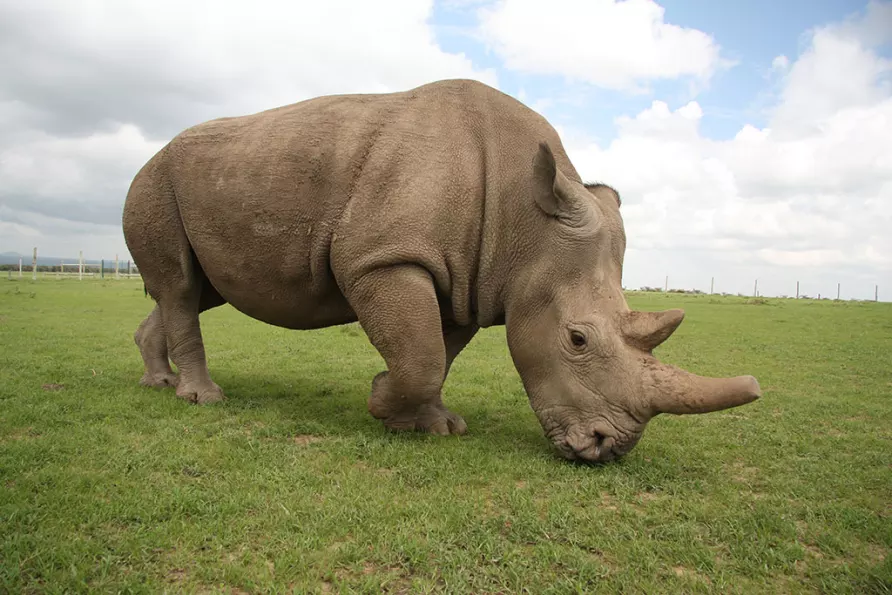
Fatu
Visitors have the unique opportunity to meet the last two northern white rhinos in the world, Najin and Fatu, in their 700-acre enclosure. This poignant experience serves as a stark reminder of the threat of extinction that many species face. It's a chance to learn about the efforts being made to save these magnificent creatures and the role that Ol Pejeta plays in global conservation efforts.
4. Horse Riding with Rhinos: An Intimate Encounter
For a different perspective of the conservancy, visitors can embark on a horse-riding safari. This experience offers an intimate and thrilling way to encounter wildlife, including rhinos, from horseback. Feel the thrill of being at one with nature as you ride through the stunning landscapes of Ol Pejeta.
5. Canine Anti-Poaching Unit: Heroes of Conservation
Meet the heroes of conservation at Ol Pejeta's Canine Anti-Poaching Unit. This team of highly trained dogs and their handlers play a crucial role in preventing and detecting illegal activities within the conservancy. Learn about their training, their missions, and the vital role they play in protecting the wildlife of Ol Pejeta.
6. Lion Tracking: A Hands-On Conservation Experience
Join the Lion Tracking program and assist in collecting data for research on lion behavior and ecology. This unique opportunity allows you to learn about these magnificent creatures and contribute to their conservation. It's a hands-on experience that brings you closer to the world of wildlife conservation and research.
7. Wildlife-Livestock Integration: A Sustainable Approach
Learn about Ol Pejeta’s innovative approach to conservation, which includes the integration of wildlife and livestock. This program demonstrates how conservation and agriculture can coexist and benefit each other. It's a unique insight into the sustainable practices that make Ol Pejeta a leader in conservation.
8. Guided Walking Safaris: Connect with Nature
Explore the conservancy on foot with a professional armed ranger. This experience allows you to connect with nature more intimately, learning about the smaller creatures and plants that contribute to the ecosystem. It's a chance to slow down, breathe in the fresh air, and truly immerse yourself in the natural beauty of Ol Pejeta.
9. Running with the Rangers: Fitness with a View
Join the conservancy’s rangers for a morning run. This unique opportunity allows you to learn about the rangers’ work, keep fit, and enjoy the stunning landscapes of the conservancy. It's a fun and healthy way to start your day in Ol Pejeta.
Visit the Sweetwaters Chimpanzee Sanctuary, the only place in Kenya where you can see these highly endangered and remarkably intelligent species. The sanctuary was established to rehabilitate animals rescued from the black market. It's a chance to learn about the threats facing these incredible creatures and the efforts being made to protect them.
Visit Ol Pejeta with Campo East Africa Safaris
From thrilling wildlife encounters to unique conservation experiences, the things to do in Ol Pejeta Conservancy offer a safari adventure like no other. Whether you're a wildlife enthusiast, a conservation advocate, or simply a lover of nature, Ol Pejeta offers an unforgettable journey into the heart of Kenya's wildlife.
Embark on your adventure with Campo EA Safaris, a premier East African safari tour operator. Campo EA Safaris offers a 2-day visit to Ol Pejeta Conservancy, which includes one-night accommodation at fantastic hotel. This package includes transport in a tour Landcruiser, game drives, park entrance fees for residents, an afternoon hike to Mt. Kenya up to Ol Moses point on day 1, full-board accommodation, swimming, and bottled water.
Campo EA Safaris ensures that your visit to Ol Pejeta is not just about witnessing sustainable conservation at work, but also about experiencing the natural beauty of Laikipia. This is an experience that you won't forget anytime soon. With Campo EA Safaris, you're not just going on a safari, you're also contributing to local community growth and economic development.
So, are you ready to explore the largest black rhino sanctuary in East Africa, meet two of the world’s last remaining northern white rhinos, and see chimpanzees at the Sweetwaters Chimpanzee Sanctuary? Are you ready to witness one of the highest numbers of predators per square kilometre while also observing a vibrant livestock program? If so, then pack your bags and join us on an unforgettable journey to Ol Pejeta Conservancy. Experience the magic of Ol Pejeta with Campo EA Safaris.
Embarking on a safari in the vast landscapes of East Africa is an adventure of a lifetime. One of the premier destinations for such an experience is the Ol Pejeta Conservancy in Kenya. However, to ensure a safe, respectful, and enjoyable safari experience, it's crucial to understand and adhere to the Ol Pejeta Code of Conduct.
The first thing to note about the Ol Pejeta Code of Conduct is the acknowledgement of inherent dangers. The conservancy is home to a variety of wild animals, including lions, rhinos, elephants, buffaloes, snakes, and insects. By entering the conservancy, visitors accept the risks associated with being in close proximity to these animals.
Waiver of Liability
The Code of Conduct also includes a waiver of liability. Visitors agree to release the conservancy, Ol Pejeta Conservancy Limited, and its directors, employees, agents, affiliates, and officers from any injury, liability, claim, accident, loss, or damage that may arise as a result of entering the conservancy.
Adhering to the Code
Speed Limit and Road Usage
The Code of Conduct sets a strict speed limit of a maximum of 40 kph. Off-road driving is strictly prohibited unless approved by management, and visitors are expected to stick to designated roads or tracks.
Respect for Wildlife
Respect for wildlife is a fundamental aspect of the Code of Conduct. Wildlife always has the right of way, and visitors are advised not to chase, follow, or harass animals. Feeding wildlife from your car, in the wild, or at your camp or lodge is strictly prohibited.
Safety Measures
For safety reasons, visitors are warned not to get out of the car unless in a designated area. In addition, sitting or standing on vehicle roofs is also not allowed at any time.
Protecting the Environment
Littering and Firewood Collection
The Code of Conduct strictly prohibits littering, including discarding cigarette butts. Also, collection of firewood is also not allowed, as it can damage the ecosystem.
Preservation of Flora and Fauna
Visitors are asked not to damage or remove any flora or fauna, including bones and plants. This rule is in place to preserve the natural environment of the conservancy.
Additional Rules
Nighttime Driving and Firearms
Driving on the conservancy is not allowed after 7 pm. Furthermore, carrying firearms, spears, bows, and arrows of any kind within the conservancy is prohibited.
Drones and Receipts
Private drones can only be used if authorized. Additionally, visitors are advised to ensure that they obtain an official receipt for any cash transaction.
Consequences of Non-Compliance
Fines and Removal
The rangers at Ol Pejeta Conservancy have the legal right to impose a fine of Ksh 5,000 per person for anyone caught breaking the Code of Conduct. They can also have a vehicle and/or people removed from the Conservancy immediately.
Ban from the Conservancy
In severe cases, a vehicle and/or people can be banned from the Conservancy. This underscores the importance of adhering to the Code of Conduct.
Purpose of Ol Pejeta Code of Conduct
The Ol Pejeta Code of Conduct is designed to ensure the safety of visitors and the well-being of the wildlife and environment. By understanding and adhering to these rules, you can contribute to the preservation of this unique ecosystem and enjoy an unforgettable safari experience.
Remember, if you witness anyone breaking the conditions of the Code of Conduct, contact the Tourism Helpline & Emergencies at +254 (0) 713 912 324 or the Radio Room at +254 (0) 723 312 673.
Visit Ol Pejeta Conservancy with Campo EA Safaris, a premier East African safari tour operator, and experience the magic of Ol Pejeta Conservancy while respecting its Code of Conduct.
Embark on a thrilling adventure in Kenya's largest black rhino sanctuary – Ol Pejeta. With its diverse wildlife, scenic landscapes, and a blend of thrilling activities, Ol Pejeta Conservancy offers an unrivaled African safari experience. But before you pack your bags, let's answer some of the most frequently asked questions about this haven of biodiversity. From wildlife encounters to accommodation options, we've covered it all, so you can plan your trip with ease and confidence.
Ol Pejeta Conservancy is nestled in the heart of Kenya's Laikipia County, between the foothills of the Aberdares and the magnificent snow-capped Mount Kenya.
How large is Ol Pejeta Conservancy?
The Conservancy sprawls across approximately 360 square kilometers or 90,000 acres. It's a vast wilderness that's home to a diverse range of wildlife.
What is the best time to visit Ol Pejeta?
Ol Pejeta is open all year round. However, the best wildlife viewing is during the dry seasons from June to September and December to February when animals gather around water sources.
What animals can be seen at Ol Pejeta?
Ol Pejeta is a sanctuary for a variety of wildlife. It's especially renowned for its conservation of black rhinos but is also home to other members of the Big Five - lions, elephants, buffalo, and leopards. Other species include cheetahs, hyenas, giraffes, zebras, and a myriad of bird species.
How can I get to Ol Pejeta?
Ol Pejeta Conservancy is about a 4-hour drive from Nairobi via the A2 highway. Campo EA Safaris offers convenient transportation services, eliminating the hassle of navigation and providing a comfortable journey to the conservancy.
What are the opening hours of Ol Pejeta?
The conservancy is open every day, from 6:30 am to 6:30 pm. This allows for both early morning and late afternoon game drives, the periods when wildlife is most active.
How much does it cost to visit Ol Pejeta?
Entrance fees vary depending on citizenship. Campo EA Safaris' 2-day Ol Pejeta game visit package provides an all-inclusive experience, including entrance fees, making your planning easier.
Can I book a tour at Ol Pejeta?
Yes, Campo EA Safaris offers a comprehensive 2-day game visit package to Ol Pejeta that includes accommodation, meals, park fees, and professional guided game drives.
What are the available accommodation options in Ol Pejeta?
Ol Pejeta boasts a range of accommodations from luxury lodges to tented camps. Campo EA Safaris provides comfortable accommodation options tailored to give you the best experience of Ol Pejeta's unique environment.
Are there dining facilities at Ol Pejeta?
Yes, Ol Pejeta has several dining options within the conservancy's lodges and camps. The food combines local and international cuisines to cater for all tastes. Dining facilities are part of the package when you book your visit with Campo EA Safaris.
What are the conservation efforts being carried out at Ol Pejeta?
Ol Pejeta is dedicated to conserving wildlife, providing sanctuary for endangered species, and promoting environmental education. Their notable efforts include the protection of black rhinos and chimpanzees, and collaborative community outreach programs.
Can I bring my own food and drinks into Ol Pejeta?
Yes, you can bring your own food and drinks, although it’s encouraged to minimize waste and take care of the environment. However, with Campo EA Safaris' inclusive packages, your meals are catered for, easing your preparation efforts.
Can I camp at Ol Pejeta?
Yes, camping is allowed in designated areas within the conservancy. However, for a hassle-free experience, you might want to consider Campo EA Safaris' packages that provide comfortable accommodation options.
Can children visit Ol Pejeta and are there any special facilities for them?
Absolutely, Ol Pejeta is family-friendly with plenty of educational and fun activities for children. Some accommodations have special amenities for younger guests.
Are there any special events held at Ol Pejeta?
Ol Pejeta hosts a variety of events throughout the year, such as wildlife conservation marathons and birdwatching festivals. It's always a good idea to check their events calendar before planning your visit.
Can I drive my own car within Ol Pejeta?
Yes, you can drive your own vehicle within the conservancy. However, for an optimal wildlife viewing experience, it's recommended to opt for a guided tour with an experienced game drive guide from Campo EA Safaris.
Can I volunteer at Ol Pejeta?
Yes, Ol Pejeta has several volunteer opportunities that contribute to their conservation efforts. These could range from fieldwork to administrative tasks.
Are there any picnic areas at Ol Pejeta?
Yes, there are designated picnic sites within the conservancy where visitors can relax and enjoy a meal in the great outdoors.
What safety measures should I be aware of when visiting Ol Pejeta?
Always maintain a safe distance from wildlife, adhere to park rules, and never leave your vehicle unless in a designated area. Your Campo EA Safaris guide will ensure your safety during game drives.
What is the history of Ol Pejeta Conservancy?
Ol Pejeta was originally a cattle ranch in the colonial period. It transformed into a black rhino sanctuary in the 1980s and has since become a leading conservancy in East Africa.
What makes Ol Pejeta unique?
Ol Pejeta's commitment to conservation, its status as the largest black rhino sanctuary in East Africa, and its pioneering conservation methods like the use of advanced technology for wildlife protection sets it apart.
Are there any nearby attractions to visit when at Ol Pejeta?
Nearby attractions include Mount Kenya, the second-highest mountain in Africa, and Sweetwaters Chimpanzee Sanctuary, the only place in Kenya where you can see these primates.
Is Ol Pejeta open all year round?
Yes, Ol Pejeta is open 365 days a year, including public holidays.
Are there guides available for game drives at Ol Pejeta?
Absolutely, Campo EA Safaris offers professional, knowledgeable guides who will enhance your game drive experience with their insight on wildlife and local ecology.
What type of clothing should I wear when visiting Ol Pejeta?
Dress comfortably in neutral colors, with layers to accommodate fluctuating temperatures. Don't forget a hat, sunglasses, and sunscreen.
Are there any restrictions or rules to follow while in Ol Pejeta?
Yes, to ensure the safety of visitors and wildlife, Ol Pejeta has rules including maintaining a safe distance from animals, not feeding wildlife, and sticking to designated roads and tracks.
Can I get involved in any of the conservation programs at Ol Pejeta?
Yes, visitors can participate in some conservation programs like tracking lions or adopting an animal.
Is it possible to see all Big Five animals at Ol Pejeta?
Yes, Ol Pejeta is home to all of the Big Five animals – lions, leopards, elephants, buffalos, and rhinos.
What is the weather like in Ol Pejeta?
Ol Pejeta experiences a temperate climate. It can be cool in the mornings and evenings, so it's advisable to wear layers.
What's the experience like on a 2-day game visit to Ol Pejeta with Campo EA Safaris?
A 2-day visit to Ol Pejeta with Campo EA Safaris offers unforgettable wildlife encounters, comfortable accommodations, expert-guided game drives, and a chance to immerse yourself in the majesty of the African savannah.
So there you have it, a comprehensive guide to everything you need to know about the amazing Ol Pejeta Conservancy. From the magnificent wildlife, fascinating history, unique conservation efforts, and spectacular views, it truly is a must-visit destination in Kenya. Whether you're an adventure junkie, a nature lover, or a keen photographer, Ol Pejeta offers something for everyone. Embark on an incredible journey and get ready to make memories that will last a lifetime. With Campo EA Safaris, your dream African safari is just a booking away. See you on the wild side!
Welcome to our comprehensive guide to Nairobi National Park. Nestled just 7 kilometers from Kenya’s bustling capital, Nairobi National Park is a wildlife oasis in an urban desert. Whether you are a seasoned safari enthusiast or a curious first-timer, our guide answers the 20 most frequently asked questions about this unique city-enclosed park. From the diverse wildlife species you can spot to the best time to visit, from safety measures to how you can contribute to conservation efforts—we’ve got you covered. Join us as we delve into the hidden wonders of Nairobi National Park, revealing the rich history, fascinating experiences, and vibrant ecosystems that make it a must-visit destination.
Where is Nairobi National Park located?
Nairobi National Park, the only national park in the world located within a city’s boundaries, is situated approximately seven kilometers south of Nairobi’s bustling city center. It’s easily accessible via Langata Road, with the main entrance opposite Langata Cemetery.
How big is Nairobi National Park?
Nairobi National Park covers approximately 117 square kilometers or 45 square miles. Despite its relatively small size compared to other African national parks, it boasts an impressive variety of animal species and diverse habitats.
What is the best time to visit Nairobi National Park?
The best time for wildlife viewing in Nairobi National Park is during the dry seasons, between June and October and from December to March. However, the park remains open year-round, and each season offers its unique viewing advantages. Early morning hours are especially ideal for spotting a plethora of wildlife as they are most active during this time.
What animals can you see in Nairobi National Park?
Home to a wealth of biodiversity, Nairobi National Park hosts over 100 mammal species. Visitors can expect to see four of the ‘Big Five’—lions, leopards, buffalo, and rhinos—excluding the elephant. Additionally, the park is a sanctuary for over 400 bird species and diverse reptilian fauna.
What are the operating hours of Nairobi National Park?
Nairobi National Park operates from 6 a.m. to 6:30 p.m., seven days a week, including holidays. The park offers both morning and afternoon game drives.
How much does it cost to visit Nairobi National Park?
Entrance fees to Nairobi National Park vary depending on nationality and age. At Campo East Africa Safaris, we offer a comprehensive Nairobi National Park Game Drive package, which includes entrance fees, transport, bottled water, and an optional picnic breakfast.
Can I book a tour of Nairobi National Park?
Absolutely! Nairobi National Park is known for its exceptional game drives, and Campo East Africa Safaris provides several Nairobi National Park tour packages to suit your schedule and preferences.
Is Nairobi National Park open all year round?
Yes, Nairobi National Park is open every day of the year, including public holidays.
What are the available facilities in Nairobi National Park?
Nairobi National Park is equipped with picnic sites, walking trails, and a wide array of accommodation options. The park also houses the Nairobi Animal Orphanage and the David Sheldrick Wildlife Trust, famous for elephant rehabilitation.
Can I bring my own food and drink to Nairobi National Park?
Yes, visitors can bring their own food and drinks into the park. However, plastic carrier bags are banned in Kenya to protect the environment.
Are there picnic areas in Nairobi National Park?
Absolutely. Nairobi National Park has several picnic sites, including the Ivory Burning Site, Impala, Kingfisher, Mokoyiet, and the Hippo Pools, where visitors can relax and enjoy their packed meals.
Can I camp in Nairobi National Park?
Nairobi National Park offers unique accommodations, including Nairobi Tented Camp nestled deep within the park. This allows visitors to experience the wild right in the heart of the city.
What safety measures should I be aware of when visiting Nairobi National Park?
Like any wildlife region, it’s essential to maintain a safe distance from animals, stay within the vehicle during game drives unless advised otherwise by the guide, and avoid feeding the wildlife. Also, adhere to park rules and guidelines provided.
What is the history of Nairobi National Park?
Established in 1946, Nairobi National Park is Kenya’s first national park. Its establishment marked a significant step in Kenya’s conservation history, protecting diverse species and serving as an educational and research hub.
Can children visit Nairobi National Park? If so, are there any special facilities or activities for them?
Children are welcome at Nairobi National Park. The park offers educational programs and the Safari Walk, an exciting opportunity for kids to learn about wildlife conservation.
Are there any special events or activities held in Nairobi National Park?
Nairobi National Park is an ideal venue for special events like birthdays, anniversaries, and corporate team-building activities. Visitors can also participate in guided walks and bird-watching expeditions.
How can I contribute to the conservation efforts at Nairobi National Park?
Contributions can be made through various programs like the Nairobi Greenline Project, Adopt an Acre initiative, or by supporting the David Sheldrick Wildlife Trust.
Can I drive my own car in Nairobi National Park, or do I need to hire a vehicle?
Visitors can drive their own vehicles in the park. However, hiring a vehicle from reputable tour operators like Campo East Africa Safaris allows for a hassle-free experience as the drivers are trained to spot and safely approach wildlife.
Is it possible to see the Big Five at Nairobi National Park?
While Nairobi National Park houses four of the Big Five—lion, leopard, buffalo, and rhinoceros, elephants are not native to this park. However, visitors can see baby elephants at the David Sheldrick Wildlife Trust within the park.
Are there any nearby accommodations for visitors to Nairobi National Park?
Several accommodation options exist within and around the park, such as the Nairobi Tented Camp, Ololo Lodge, Olsupat Lodge, and Emakoko Lodge. These range from luxury lodges to unique tented camps offering a full bush experience in the city.
Embark on a unique journey through Nairobi National Park and discover the heart of Kenyan wildlife with Campo East Africa Safaris. Don’t just see the park—experience it!
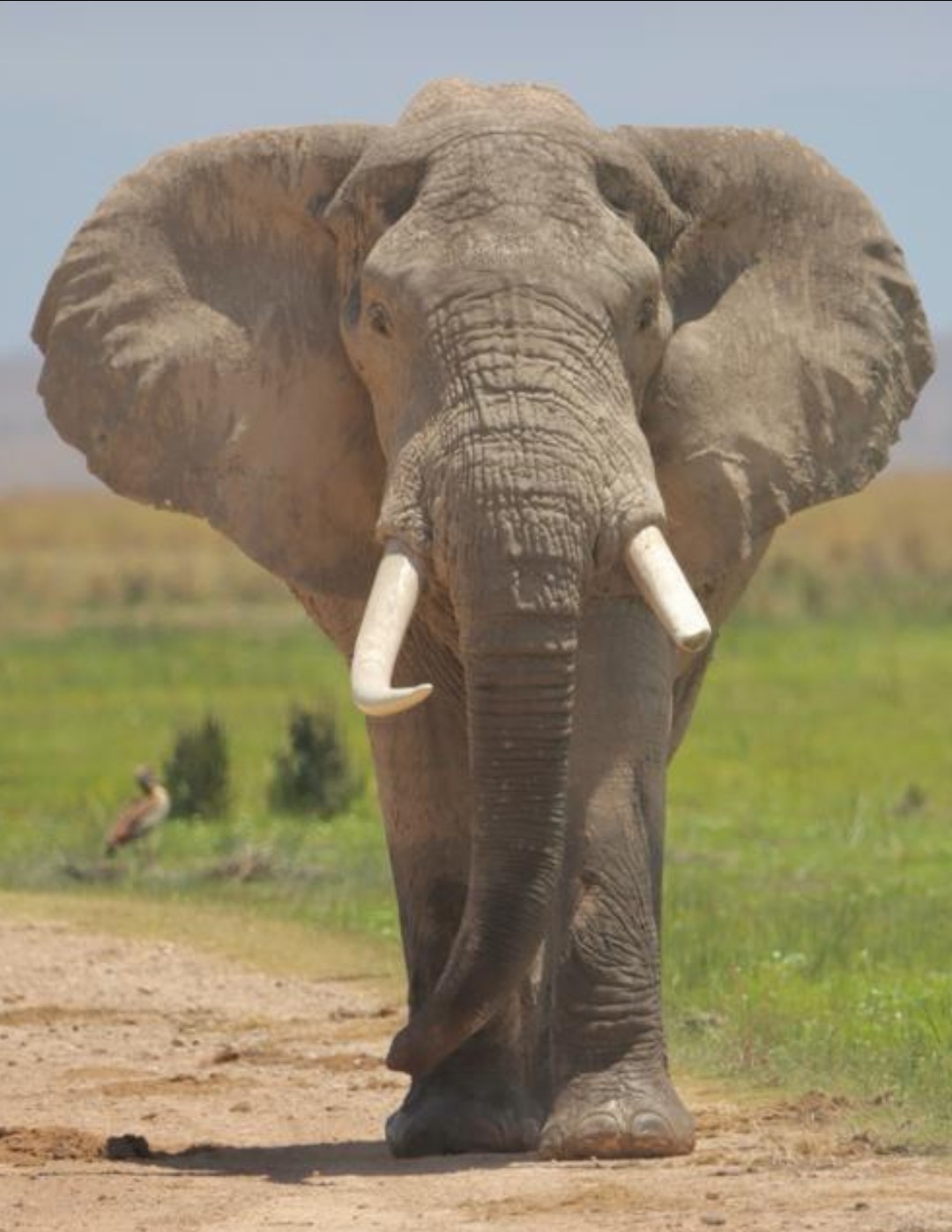
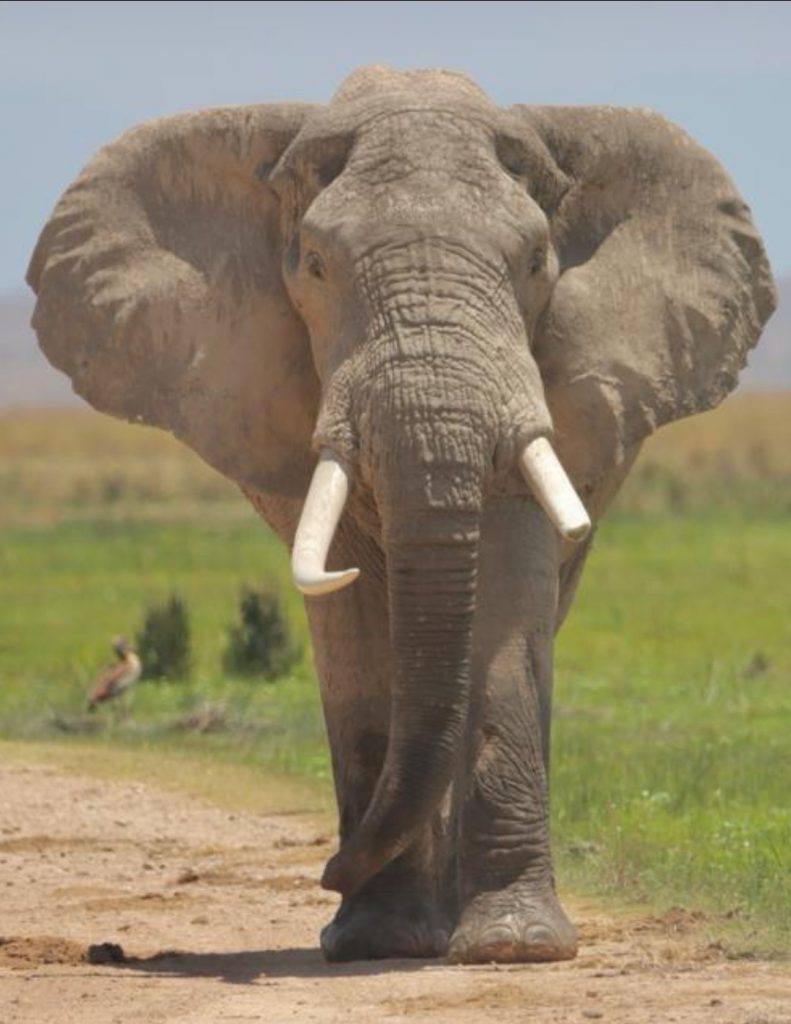
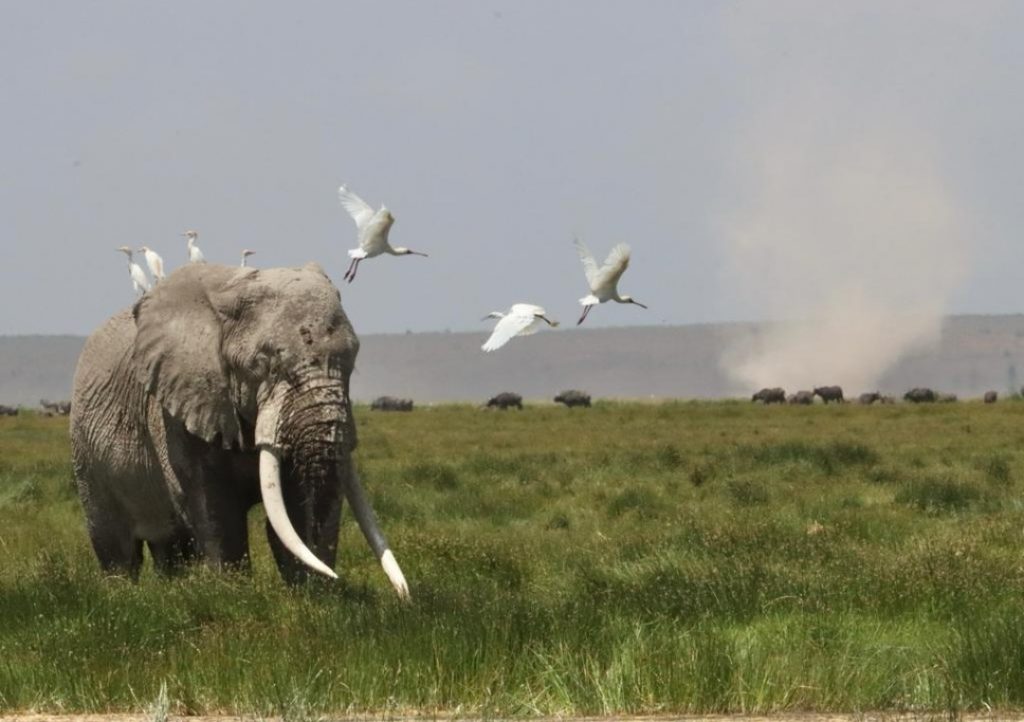
Kenya's conservation community is in mourning today. The sad and shocking news from the Amboseli National Park is that Tolstoy, yet another iconic gentle giant is dead. According to the Amboseli Elephant Trust, which has been researching and collecting elephant data in the wild for 50 years, he died of natural causes on April 27th, 2022, at the age of 51. In 2020, the country also lost another iconic elephant known as Tim, who also died at the age of 51.
Tolstoy
Tolstoy was known for long curved tusks that his mother, Teresia, also had. He was Tim's uncle and a sister to Theodora. They are all relatives of the famous Echo family, one of the elephant families that Cynthia Moss and Harvey Croze chose to research in 1972.
The increase in human population and their cattle, increase in water volume in the Amboseli national park, and agricultural activities have increased pressure on the ecosystem. These factors have brought human-wildlife conflict. Elephants and lions are speared or trapped on snares as they roam the bordering conservation areas such as Amboseli national park, Kimana Conservancy, Tsavo National Park, Chyulu Hills National Park, and Kitendeni conservation corridor in Tanzania.
Tolstoy was a father to many, and his strong genes will remain for generations. Craig, his nephew Townsend, and Ulysses are other famous Amboseli National Park elephants.
Ulysses
If you would like to see the giants of Amboseli in their natural habitat and learn about their rich history, check out our Amboseli game drive and holiday packages for international and local visitors.
A visit to the Nairobi National Park requires proper planning to enjoy it to the fullest. Below are ten things you should know before embarking on a Nairobi National Park game drive.
To access the park, you require a tour converted vehicle driven by a professional driver guide. A tour-converted car has a retractable hard-top roof that allows easy game viewing. We recommend a four-wheel-drive tour-converted Toyota Landcruiser for a Nairobi National Park game drive. You will have the advantage of seeing different species of animals since the guides communicate among themselves and have expert knowledge of the park. The park is 117 square kilometres, so you need all the help you can get to locate wildlife.
Campo East Africa Safaris tour converted vehicles are all fitted with:
A retractable hard-top roof.
High frequency (HF) radios
Spacious seats (six adults)
Binoculars
Cooler boxes
Reference guide books
In addition, all drivers are multilingual professional driver-guides.
2. Lion Research
Most people are disappointed when they fail to see lions when they visit the park. After all, who doesn't want to see the King of the jungle in his natural habitat. So before you visit the park, do some research and find out the most likely spots to see lions.
Campo East Africa Safaris guides work hand in hand with the lion research team and other guides to locate the lion prides in the park. Our guides can identify most of the lions and are always ready to narrate each lion's history and unique characteristics.
3. Picnic Sites
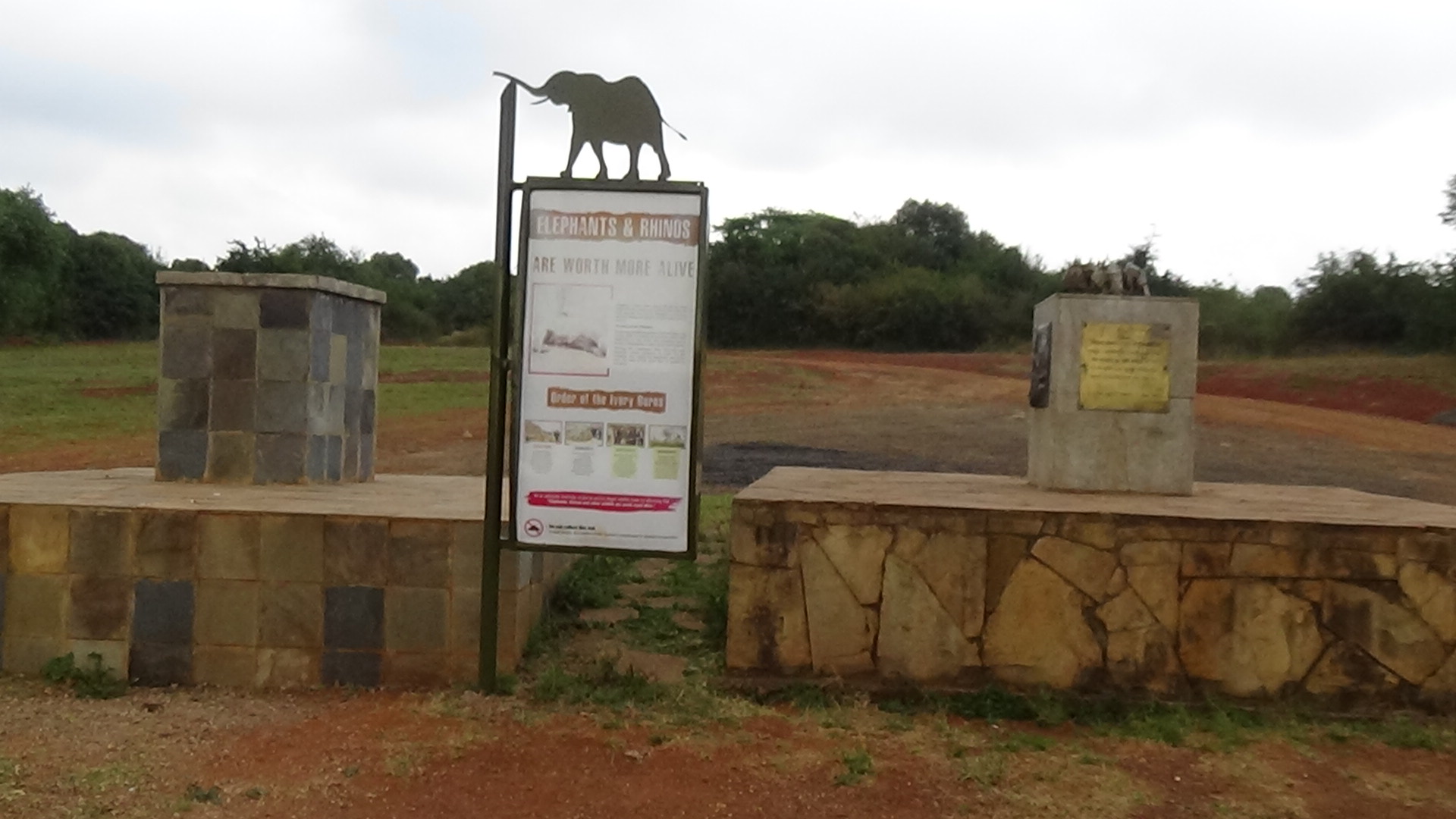
There are six picnic sites inside the Nairobi National Park, but only five are operational, namely, Ivory Burning, Impala, Kingfisher, Mokoyiet and Hippo Pool. Mbuni, which is close to number 7 (Seven) and under the SGR, isn't operational. You are allowed to carry food and drinks into the park and enjoy any of the picnic sites. Single-use plastics are not permitted in the park. Our guides will advise you of the best picnic site depending on the time. Always watch out for monkeys that love to snatch food from people.
4. Wildlife to See
There are 4 (four) of the big 5 (five) in the park—lions, leopard, rhino and buffalo. Unfortunately, the park is too small to host elephants. However, one could visit the Daphne Sheldrick Elephant Orphanage, which is located inside the park. It is open to the public every day between 11 am to 12 pm, or you can book a private visit between 3 pm or 5 pm.
The elephant orphanage is accessible only through the Workshop gate directly opposite the Multi-Media University on Magadi Road just before you get to Ongata Rongai town.
The park has various antelopes, zebras, wildebeest, hippos, crocodiles, cheetahs, serval cats, hyenas, Jackals, over 400 (four hundred) bird species and many more. Campo East Africa Safaris guides know the spots frequented by various kinds of animals.
5. Visiting Hours
The park is open from 6:30 am to 6:30 pm. It's always advisable to visit the park either early in the morning or late in the evening. The animals tend to be more active and easier to spot along the roads. The lighting is suitable for quality photos as well. A Nairobi National Park game drive should be not less than 4 hours. It is impossible to appreciate the diversity of flora and fauna in less than four hours.
6. Park Entrance Charges
Park entrance fees are paid directly to the Government of Kenya via citizen. The usual rate for Non-residents $43 (low season) or $60 (peak season). Citizens pay Kshs 430 and citizen children 215.
You can make the payment at the Main gate or East gate. Payment is not accepted at Masai gate, Workshop gate, Banda gate or Langata gate. However, you can exit using any of the gates apart from the Workshop gate.
7. Accommodation
The park has a few hotels accessible through the park. They are:
Nairobi Tented camp
Ololoo lodge
Emakoko lodge.
These properties require a reservation for an overnight stay or lunch. Other accommodation facilities adjacent to the park are Game View Hotel, Masai Lodge, Olaro Hotel, Park Place Hotel, Longview Hotel, Troy Hotel, Ole Sereni Hotel and Emara Ole Sereni.
8. Park Map
Nairobi National Park has two vegetation zones. The Forest circuit and the open savanna. Roads are numbered at every junction from number 1 to 30. In addition, there are several dams such as Hyena, Nagolomon, Olomomanyi, Karen C, Eland Hollow, Embakasi and Athi dam.
9. Game Drive Cost
The type of vehicle, number of hours and number of persons determines the cost.
For example, a 6 (six) seater Toyota Land Cruiser costs $230, and a minivan costs $180 for half a day.
10. Walking Trails
At Hippo Pool, you can take a short walk accompanied by a ranger. If you are lucky, you will see hippos and crocodiles along the river.
You can also see unique cave paintings at caves close to number 16 on the map.
If you are planning a Nairobi National Park game drive, we have affordable packages and highly trained driver-guides to make sure you enjoy your day to the fullest. For more information, check out our Nairobi National Park game drive package for more information or contact us today.








Recent Comments