
Things to do in Tsavo West go far beyond game drives because this park blends lava fields, clear springs, rhino country, hills, lakes, and wide viewpoints.
Tsavo West National Park is one of Kenya’s most scenic safari parks. It is rugged, volcanic, green in places, dry in others, and full of useful stops for travelers who like variety. One hour can begin with elephants on red soil. The next can place you beside clear spring water, black lava, or a hilltop viewpoint.
The best things to do in Tsavo West include wildlife drives, Mzima Springs, Shetani Lava Flow, Chaimu Hill, Ngulia Rhino Sanctuary, Roaring Rocks, Lake Jipe, and nearby night-drive experiences. Kenya Wildlife Service lists the park’s wildlife, 600 bird species, Shetani Lava Flow, Lake Jipe, Roaring Rocks, Poacher’s Lookout, Five Sisters, and Chaimu Hill as key features of Tsavo West National Park. (Kenya Wildlife Service)
For a wider park overview, start with our Tsavo West National Park safari guide. It explains wildlife, gates, accommodation, best time to visit, and route planning.
How to Plan Things to Do in Tsavo West
The best things to do in Tsavo West depend on time, lodge location, gate choice, and road conditions. Do not plan every attraction for one short visit.
Tsavo West is not a checklist park. It rewards slow travel. A good plan should balance game drives with scenic stops, breaks, photography time, and realistic driving hours.
| Activity | Best time | Time needed | Best for | Planning note |
|---|---|---|---|---|
| Game drives | Morning and late afternoon | 2–4 hours | Wildlife | Use cooler hours for better movement |
| Mzima Springs | Morning or midday | 1–2 hours | Families, scenery, hippos | Good break from dusty tracks |
| Shetani Lava Flow | Morning or late afternoon | 30–60 minutes | Geology, photos | Wear firm shoes |
| Chaimu Hill | Early morning | 1–2 hours | Views, light hiking | Avoid hot midday hours |
| Ngulia Rhino Sanctuary | Morning or afternoon | 2–3 hours | Conservation | Sightings are not guaranteed |
| Roaring Rocks | Late afternoon | 30–60 minutes | Views, photos | Works well with sunset plans |
| Poacher’s Lookout | Late afternoon | 30–60 minutes | Scenery, history | Good conservation storytelling stop |
| Lake Jipe | Morning | Half day or more | Birding, water scenery | Best when route allows |
| Five Sisters | Flexible | 20–40 minutes | Landscape photos | Add during a scenic drive |
| Lodge experiences | Midday or evening | 1–3 hours | Slow safari travel | Depends on lodge choice |
| Nearby night drive | After dark | 1–2 hours | Nocturnal wildlife | Usually in private sanctuary areas |
A two-night stay gives enough time for most things to do in Tsavo West. A three-night stay is better for slower birding, Lake Jipe, or a nearby private sanctuary add-on.
1. Go on Morning and Afternoon Game Drives
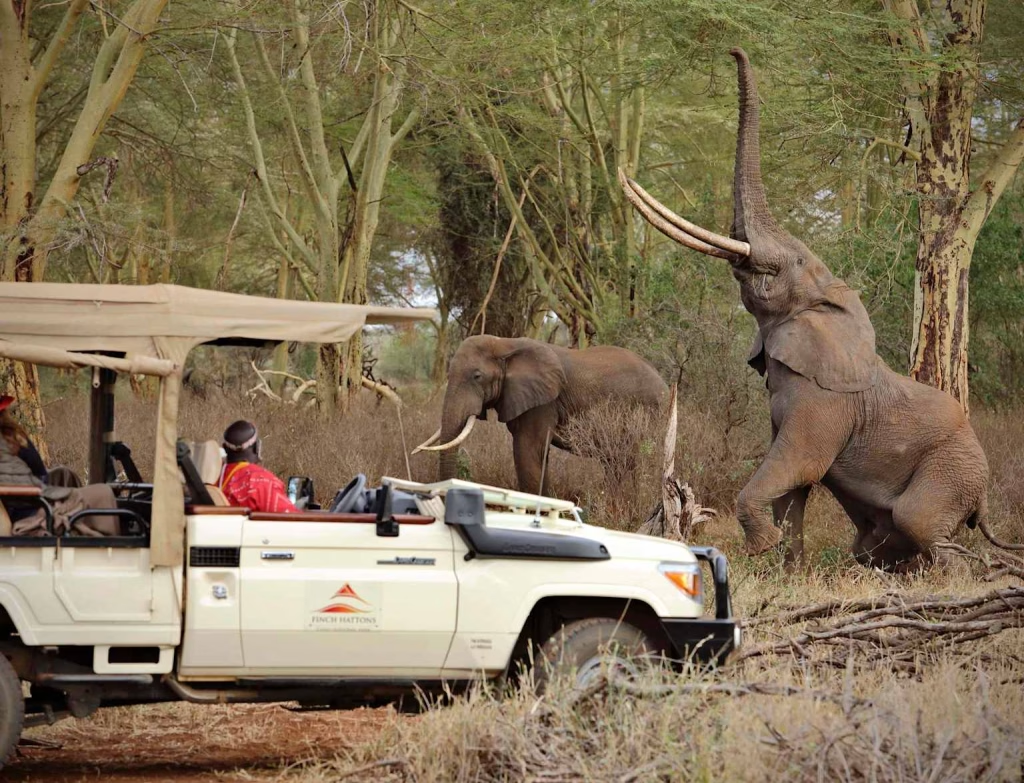
Game drives remain the main safari activity in Tsavo West. They give you the best chance to see large mammals, predators, plains game, and changing habitats.
The park has leopard, cheetah, wild dogs, buffalo, rhino, elephant, giraffe, zebra, lion, crocodile, mongoose, hyrax, dik-dik, lesser kudu, and nocturnal porcupine, according to KWS. It also has mixed bush, grassland, acacia woodland, baobab, doum palm, tamarind, fig trees, and other plant life.
Morning drives work well because the air is cooler. Animals may still be moving, grazing, hunting, or returning from water. The light is also soft, which helps photography.
Late afternoon drives are also useful. Heat drops, shadows grow, and wildlife may move again. This is one of the best things to do in Tsavo West for travelers who want golden light and a stronger safari mood.
How to get more from a game drive
Do not rush from one sighting to another. Tsavo West is thick in some areas, so patience matters. A guide may read tracks, watch bird alarms, and study animal movement.
Ask your guide to explain habitat changes. Elephants may use one area. Lesser kudu may prefer thicker cover. Lions may rest near shade. Crocodiles need water. These patterns make the drive more meaningful.
What to carry
Bring binoculars, a camera, water, sunscreen, a hat, and sunglasses. KWS also recommends drinking water, binoculars, camera, hat, sunscreen, sunglasses, and guidebooks for park visitors.
2. Visit Mzima Springs
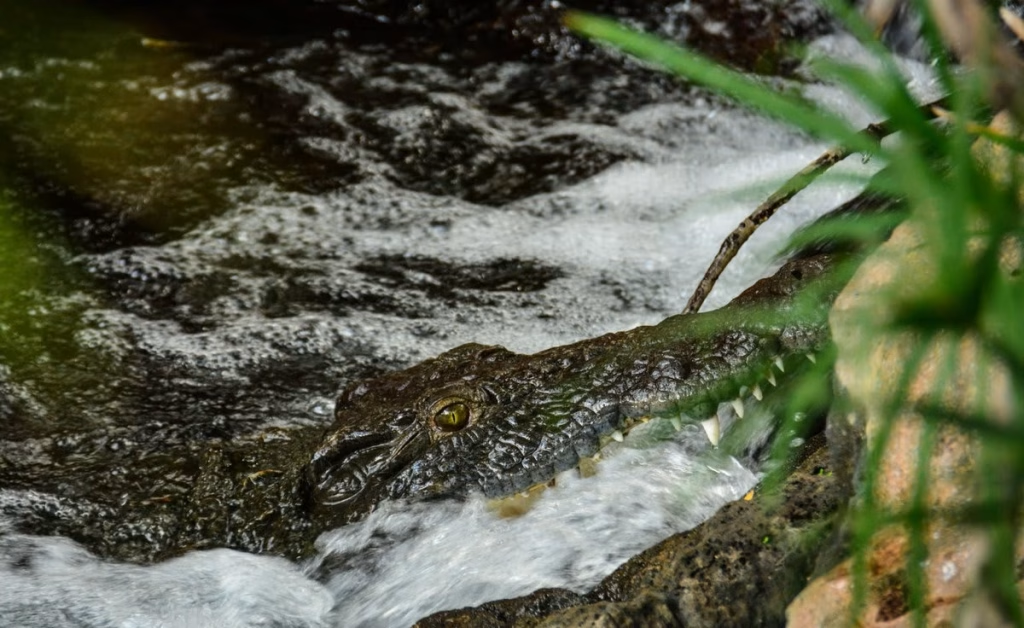
Mzima Springs is one of the most memorable things to do in Tsavo West. It offers a cool contrast to the dry plains and lava country.
The springs are famous for clear water, green shade, hippos, crocodiles, fish, monkeys, and birds. Campo’s destination content describes Mzima Springs as a major Tsavo West attraction and notes that the springs support wildlife, including hippos and crocodiles.
This stop works well for families because it breaks up long game drives. It also suits first-time safari guests who want a different type of wildlife viewing.
What makes Mzima Springs special
Mzima Springs feels calm. The paths are shaded in places, and the water brings life into a dry region. The contrast is the main beauty.
You may see hippos in the water or resting close by. Crocodiles may lie along the banks. Fish move through the clear water. Birds use the trees and edges.
How to plan the visit
Add Mzima Springs after a morning drive or during a midday route. It can work as a reset between dusty tracks and open wildlife areas.
Wear comfortable shoes. Stay on marked paths. Keep distance from wildlife, even when the setting feels calm.
3. Explore Shetani Lava Flow
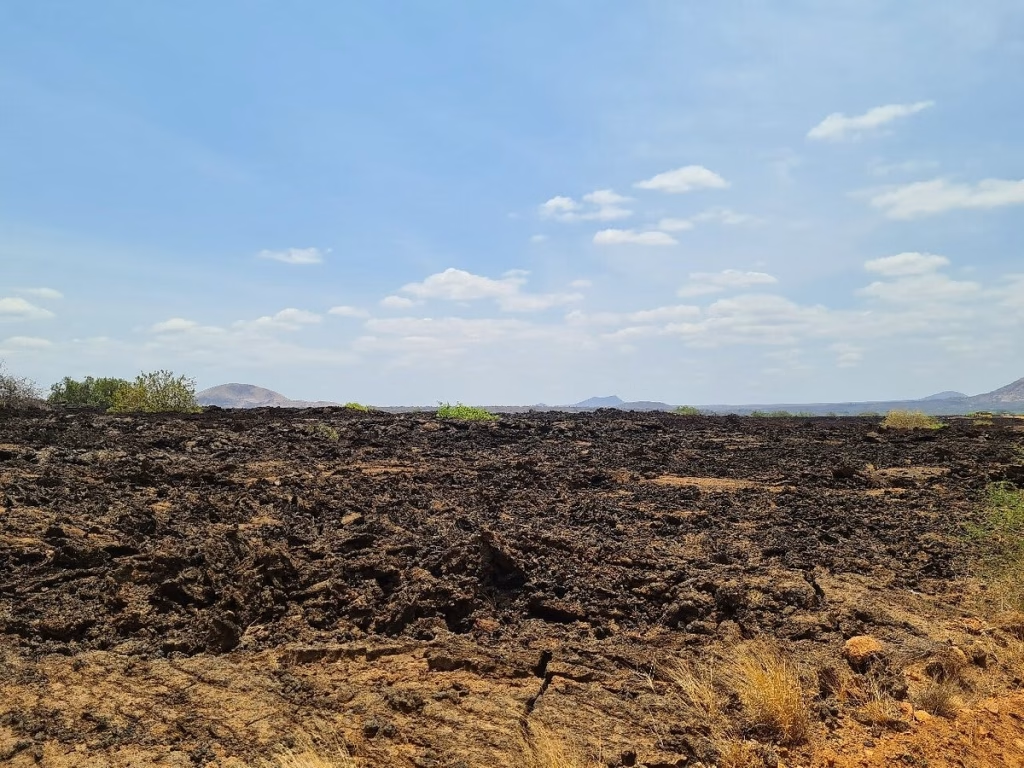
Shetani Lava Flow is one of the most dramatic things to do in Tsavo West. It looks like a black river of stone spread across the landscape.
KWS says the molten lava that formed Shetani spewed from the earth about 200 years ago. The name is linked to local folklore, where the fiery flow was seen as the work of the devil.
This is not a normal safari stop. It adds geology, culture, and visual drama to the day.
What to expect at Shetani Lava Flow
The lava field is rough, dark, and sharp. It can feel harsh under bright sun. That is part of its power.
From a distance, the lava looks like a frozen wave. Up close, it shows broken rock, jagged surfaces, and deep cracks. It helps visitors understand how fire shaped Tsavo West.
Safety and comfort tips
Wear firm shoes. Avoid sandals. Do not wander far from your guide or vehicle.
Heat can rise from the rock, so avoid long visits at midday. Carry water, and watch your steps.
Shetani is one of the best things to do in Tsavo West for travelers who want more than wildlife. It makes the park’s volcanic story visible.
4. Hike Chaimu Hill or Chaimu Crater
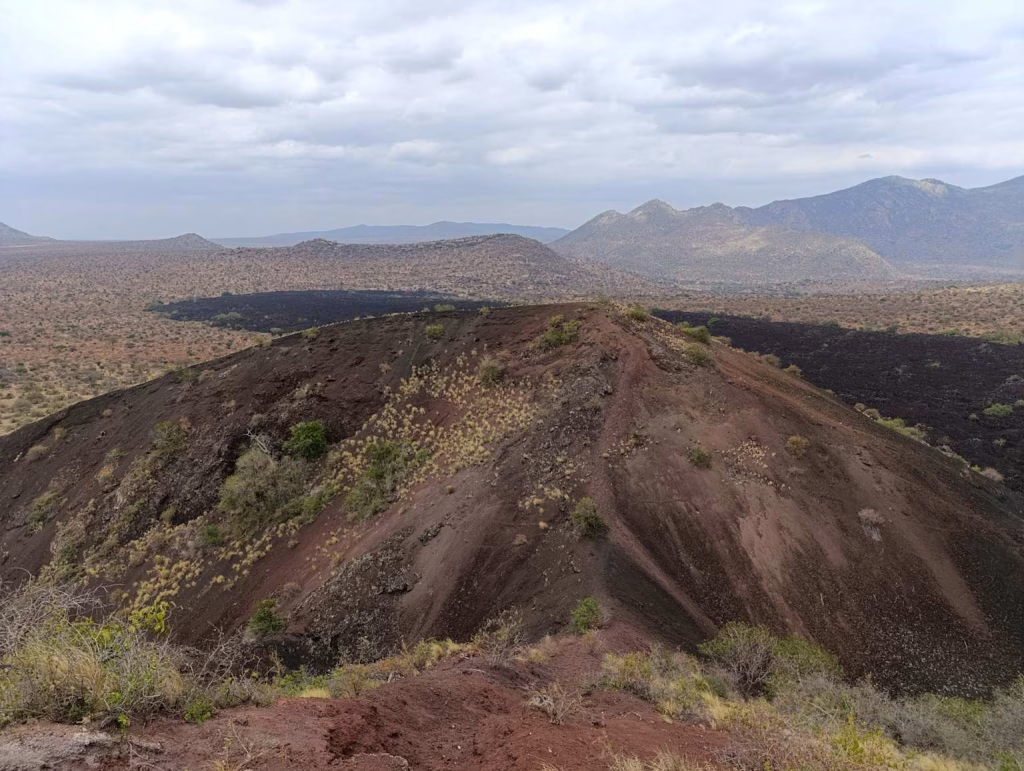
Chaimu Hill is one of the best things to do in Tsavo West for travelers who enjoy light hiking and broad views.
Campo’s destination page describes Chaimu Crater as a black lava hill that visitors can hike for a panoramic view of the park.
The hike is not about distance. It is about perspective. From higher ground, Tsavo West becomes easier to read. You see how plains, lava, hills, and bush fit together.
Why Chaimu works well on safari
Many safari days happen inside a vehicle. Chaimu gives you a chance to step out, stretch, and see the land from above.
This activity works well for active travelers, couples, photographers, and older children. It can also help break up a day with long drives.
Best time to hike
Plan Chaimu Hill in the morning. The ground can get hot, and the climb feels harder under midday sun.
Carry water. Wear closed shoes. Move slowly on loose volcanic ground.
This is one of the most rewarding things to do in Tsavo West when weather is clear and your route allows time.
5. Look for Rhinos Around Ngulia Rhino Sanctuary
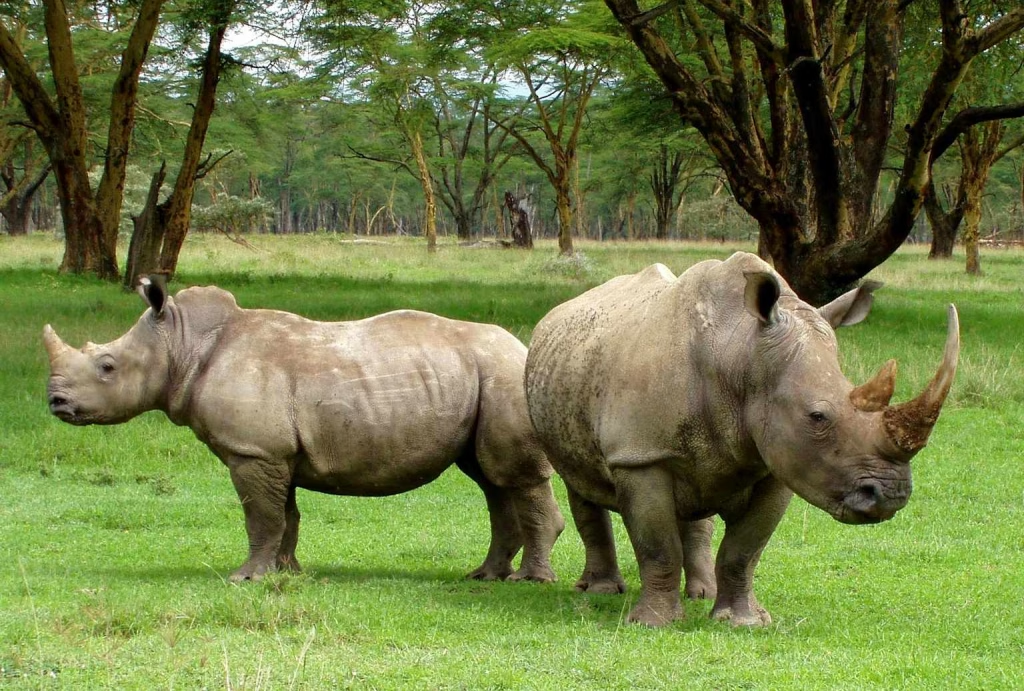
Ngulia Rhino Sanctuary gives Tsavo West a strong conservation focus. It is one of the key reasons many travelers include the park in a Kenya safari.
KWS states that Tsavo West is home to Ngulia Rhino Sanctuary and a growing population of highly endangered black rhinos.
Rhino viewing needs patience. The sanctuary is not a zoo, and sightings are never promised. Still, the chance to learn about black rhino protection adds depth to the safari.
Why this stop matters
Black rhinos face pressure from habitat loss and poaching. A visit to Ngulia helps travelers understand why protected spaces matter.
Even when you do not see a rhino, the area gives useful context. Guides can explain rhino behavior, tracking, conservation patrols, and habitat needs.
How to plan the route
Ngulia works best when your lodge location supports it. This is where accommodation planning matters.
Read our Tsavo West accommodation guide before choosing a lodge. A better lodge location can reduce long drives and give you more time near your main interests.
Ngulia is one of the most meaningful things to do in Tsavo West for travelers who care about conservation.
6. Take in the Views at Roaring Rocks
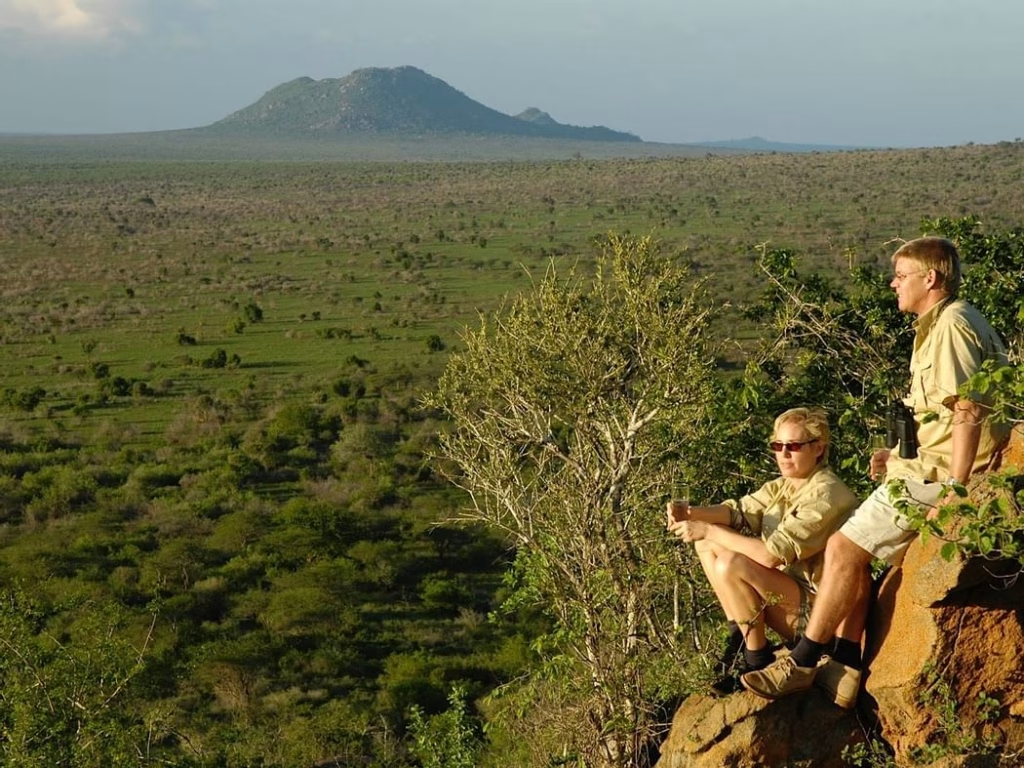
Roaring Rocks is one of the best things to do in Tsavo West for views and photography. It gives visitors a raised view over the park’s rugged land.
KWS describes Roaring Rocks and Poacher’s Lookout as panoramic vantage points for seeing scenic topography and wildlife movement.
The name adds drama, but the main reward is the view. From high ground, Tsavo West feels wider, older, and more layered.
Why Roaring Rocks is worth your time
Game drives can make visitors focus on animals only. Roaring Rocks shifts attention to the land itself.
You can see hills, plains, ridges, and wildlife corridors. If the light is right, the view becomes one of the most memorable moments of the day.
Best time to visit
Late afternoon is often best. The light turns warmer, and the landscape gains texture.
This is one of the things to do in Tsavo West that pairs well with a slow evening drive. Add it before sundowner time if your lodge and guide allow.
7. Stop at Poacher’s Lookout
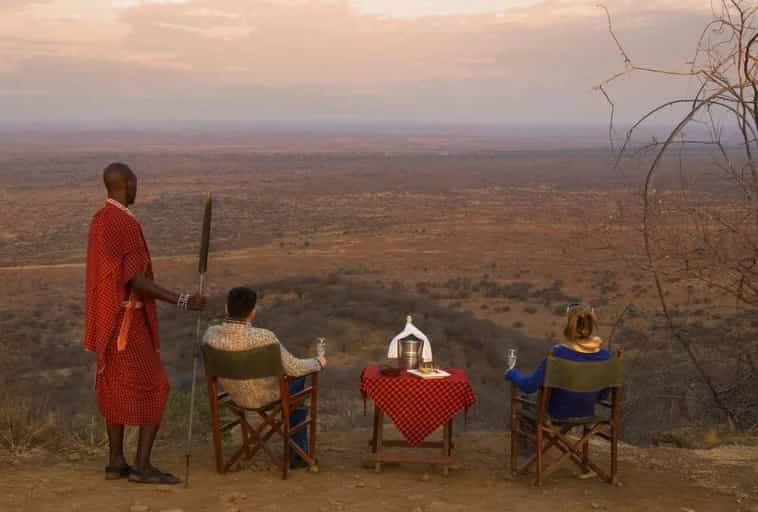
Poacher’s Lookout is another scenic stop in Tsavo West. It is also useful for conservation storytelling.
KWS groups Poacher’s Lookout with Roaring Rocks as a viewpoint for topography and wildlife movement.
The name points to a harder past. Today, the stop can help visitors understand how protection, patrols, and tourism support wildlife spaces.
What to do at Poacher’s Lookout
Pause and look slowly. Do not treat it as a quick photo stop only.
Ask your guide how wildlife moves through the area. Ask how rangers monitor large spaces. Ask why high viewpoints matter in conservation work.
This is one of the quieter things to do in Tsavo West, but it can stay with thoughtful travelers.
8. Go Bird Watching at Lake Jipe and Wetland Areas
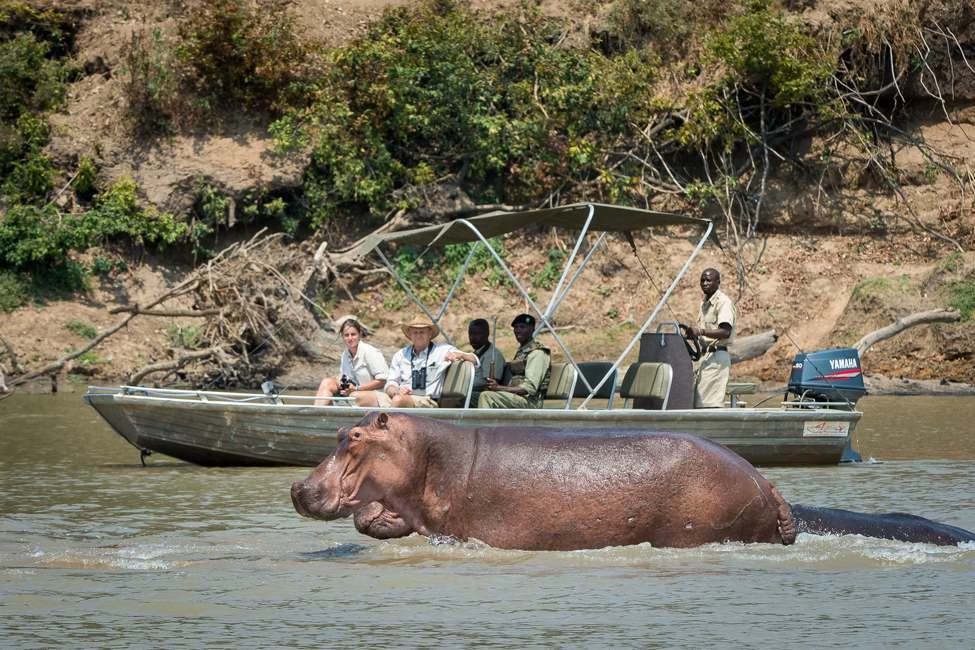
Bird watching is one of the richest things to do in Tsavo West. The park has 600 recorded bird species, according to KWS. Lake Jipe also lies along the Kenya-Tanzania border and is a major birding area around aquatic life.
Lake Jipe suits travelers who enjoy slower safari days. It is not always the easiest add-on for a short trip, but it can be rewarding when planned well.
Why Lake Jipe matters
Water changes the safari experience. It brings birds, reptiles, mammals, and different plant life.
Birders should allow time. Quick stops are rarely enough. You need quiet, binoculars, and a guide who understands wetland habitats.
How to plan birding in Tsavo West
Tell your safari planner early if birding matters. This affects lodge choice, route timing, and daily pace.
Ask for slower drives near water, springs, and wooded areas. Do not chase only large mammals. Many of the best Tsavo West moments are smaller and quieter.
Birding is one of the best things to do in Tsavo West for repeat safari guests.
9. Photograph the Five Sisters of Tsavo Hills
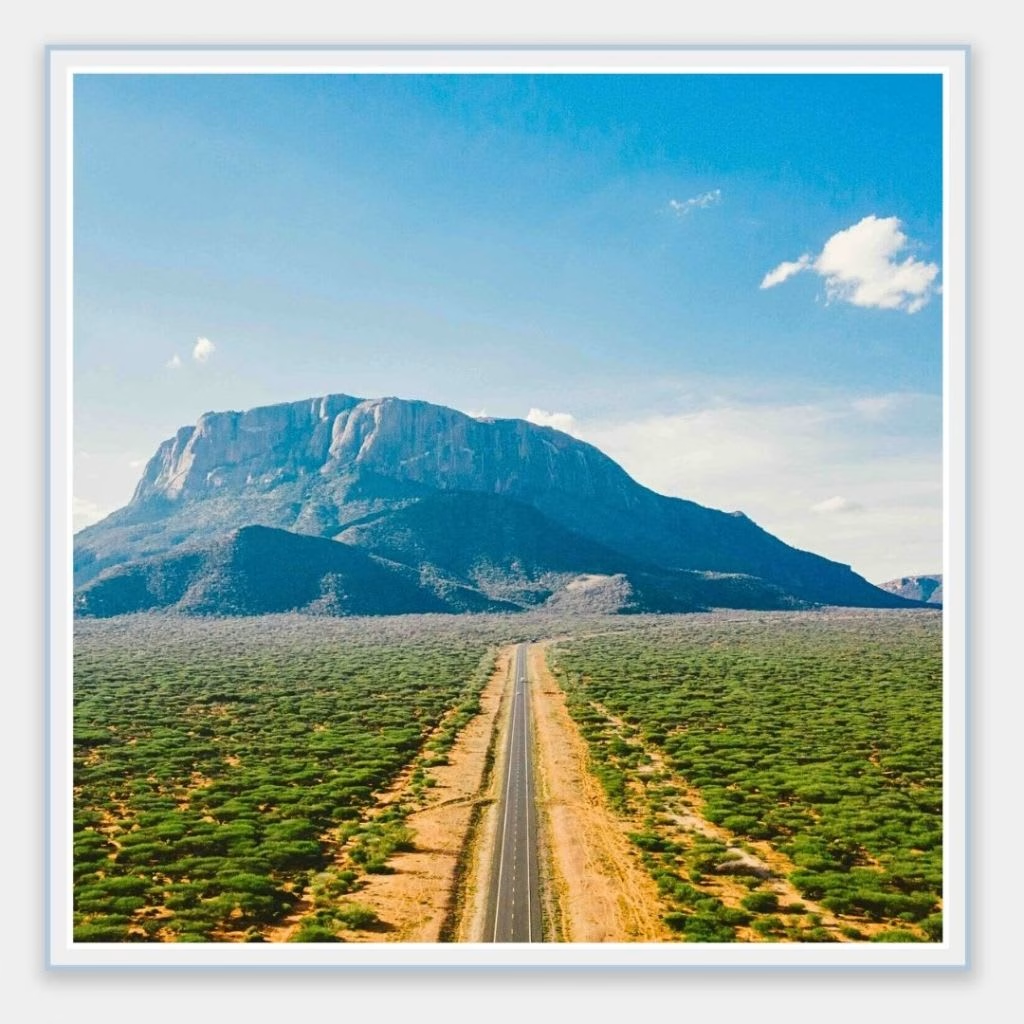
The Five Sisters of Tsavo Hills are a scenic volcanic feature. They add shape and depth to Tsavo West’s landscape.
KWS describes the Five Sisters as picturesque identical hills that provide a scenic backdrop for wildlife photography.
This is one of the easiest things to do in Tsavo West if your route passes nearby. It may not need a long stop, but it deserves attention.
How to photograph the Five Sisters
Use them as a backdrop rather than the only subject. A giraffe, elephant, safari vehicle, or acacia tree can give scale.
Morning and late afternoon light are best. Midday light can flatten the hills and reduce contrast.
Why landscape stops matter
Many travelers return home with animal photos only. Landscape photos tell the fuller story.
They show where the animals live. They show the mood of the park. They help explain why Tsavo West feels different from more open safari areas.
10. Enjoy Lodge-Based Safari Experiences
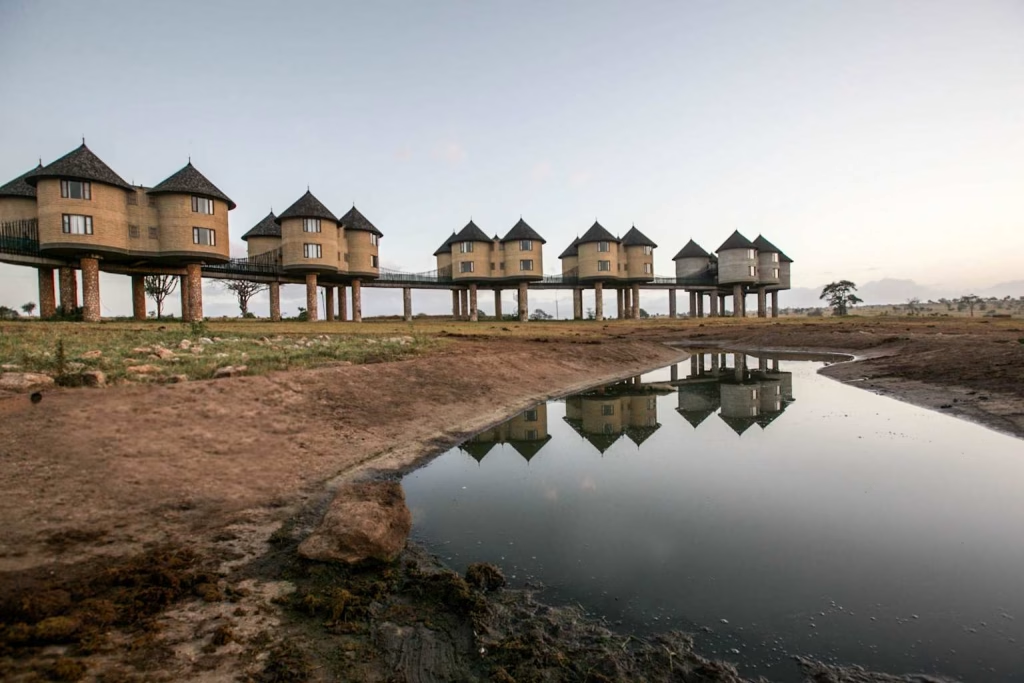
Not all things to do in Tsavo West happen far from your lodge. Good safari planning also includes rest, views, meals, and quiet time.
Some lodges offer waterhole viewing, sundowners, bush meals, spa treatments, guided activities, or scenic decks. These experiences can help balance early starts and long drives.
Why lodge time matters
A packed safari can become tiring. Tsavo West roads, heat, and distances can wear guests down.
A good lodge break helps you enjoy the next drive more. It also gives children, older travelers, and photographers time to rest.
Lodge experiences to consider
Depending on your accommodation, you may enjoy:
- Waterhole viewing during lunch
- A sunset drink with hill views
- A bush breakfast after an early drive
- A quiet deck for birding
- A spa treatment after a long route
- A guided nature talk from lodge staff
These are useful things to do in Tsavo West because they make the safari feel complete. The lodge becomes part of the experience, not just a place to sleep.
11. Add a Night Game Drive Near Tsavo West
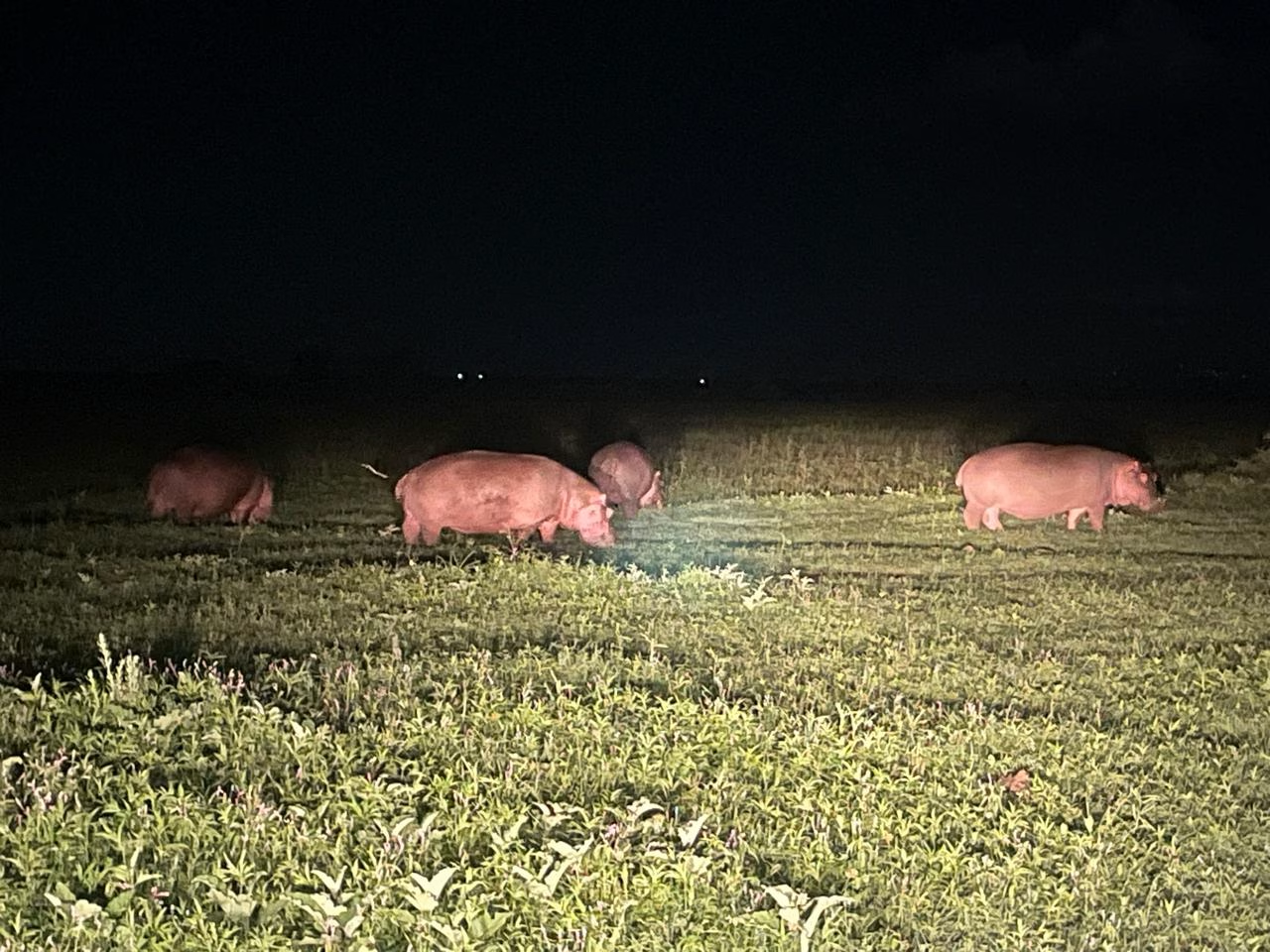
A night drive can be one of the most exciting things to do in Tsavo West’s wider area. However, it needs careful wording and planning.
Night drives are not a standard activity everywhere inside the national park. They are usually linked to private sanctuaries or conservancy areas near the park.
Voyager Ziwani says it sits in a game-rich private sanctuary that allows night game drives. It also neighbors Tsavo West National Park for daytime game drives.
Why night drives are different
At night, the bush changes. Some animals become active. Sounds feel sharper. The guide uses a spotlight under local rules.
You may look for nocturnal species, resting birds, smaller mammals, or predator movement. Sightings vary, but the mood is often memorable.
Who should add this activity?
A nearby night drive suits:
- Repeat safari travelers
- Families with older children
- Wildlife lovers interested in nocturnal behavior
- Guests staying near Ziwani or private sanctuary areas
- Travelers who want a wider Tsavo circuit
This is one of the best things to do in Tsavo West’s wider region when your accommodation and route support it.
Bonus: Combine Tsavo West with Tsavo East, Amboseli, or the Coast
One of the smartest things to do in Tsavo West is to combine it with another destination. The park connects well with Nairobi, Mombasa, Amboseli, Tsavo East, Taveta, and Taita Hills.
KWS lists road access through Chyulu Gate from Amboseli, Mtito Andei Gate from Nairobi, Tsavo Gate near Manyani from Mombasa, and Maktau, Ziwani, and Jipe gates from the Taveta-Voi road.
A Tsavo West and Tsavo East safari gives two different moods. Tsavo East offers broad plains, red elephants, and open landscapes. Tsavo West adds springs, lava, hills, rhinos, and viewpoints. You can compare the two parks in Campo’s Tsavo East National Park guide.
An Amboseli and Tsavo West safari works well for Kilimanjaro views, elephants, and volcanic landscapes. A Tsavo West and coast route works well for travelers flying into or out of Mombasa.
For broader planning, use Campo’s Kenya safari destinations guide to compare parks and route options.
Best Two-Day Plan for Things to Do in Tsavo West
A two-day plan should not try to cover everything. Focus on variety and flow.
Day 1: Arrival, game drive, and sunset views
Enter through the gate that fits your lodge. After check-in and lunch, start with an afternoon game drive.
Add Roaring Rocks or Poacher’s Lookout if route and timing allow. Return to the lodge before dark.
Day 2: Springs, lava, and wildlife
Start with an early game drive. Then visit Mzima Springs for clear water, shade, and wildlife.
After lunch, visit Shetani Lava Flow or Chaimu Hill. End with a slow evening drive.
This plan includes several major things to do in Tsavo West without making the day feel rushed.
Best Three-Day Plan for Things to Do in Tsavo West
Three days give you better pacing. They also allow more time for Ngulia, Lake Jipe, or a nearby private sanctuary.
Day 1: Scenic arrival and first game drive
Arrive, settle in, and take a late afternoon drive. Use this day to learn the landscape.
Day 2: Core Tsavo West highlights
Visit Mzima Springs, Shetani Lava Flow, Chaimu Hill, and a viewpoint. Adjust the order based on lodge location.
Day 3: Conservation, birds, or nearby sanctuary
Use the third day for Ngulia Rhino Sanctuary, Lake Jipe, or a nearby night-drive area.
This is the better plan for travelers who want detailed things to do in Tsavo West without losing comfort.
Want to experience the best things to do in Tsavo West without wasting time on poor routing? Let Campo East Africa Safaris plan your game drives, lodge choice, attraction order, and safari circuit. Start with our Wildlife Safari options, or contact us to build a custom Tsavo West itinerary.
FAQs About Things to Do in Tsavo West
What are the best things to do in Tsavo West?
The best things to do in Tsavo West include game drives, Mzima Springs, Shetani Lava Flow, Chaimu Hill, Ngulia Rhino Sanctuary, Roaring Rocks, Poacher’s Lookout, Lake Jipe, and bird watching.
Can you visit Mzima Springs on a Tsavo West safari?
Yes. Mzima Springs is one of the main things to do in Tsavo West. It is known for clear water, hippos, crocodiles, fish, monkeys, and birdlife.
Can you walk on Shetani Lava Flow?
Visitors can explore parts of Shetani Lava Flow with care and guidance. Wear closed shoes because the lava rock can be sharp and hot.
Are night game drives allowed in Tsavo West?
Night drives are not standard everywhere inside the national park. Nearby private sanctuaries, such as Voyager Ziwani, may offer night drives under their own rules.
Is Tsavo West good for bird watching?
Yes. Bird watching is one of the best things to do in Tsavo West. KWS lists 600 recorded bird species in the park.
How many days do you need in Tsavo West?
Two nights are enough for key highlights. Three nights are better for slower game drives, birding, Ngulia Rhino Sanctuary, Lake Jipe, and nearby sanctuary activities.
Is Tsavo West better than Tsavo East?
Tsavo West is better for scenery, springs, lava, rhinos, hills, and viewpoints. Tsavo East is better for open plains, red elephants, and vast wilderness.