
Tsavo West attractions give this park its special safari character because they mix springs, lava, rhino country, hills, lakes, and wide viewpoints.
Tsavo West is not only a wildlife park. It is also a landscape park. The best safari days here move between game drives and scenic stops. One route can include clear spring water, black lava, rhino habitat, volcanic hills, and sunset viewpoints.
The official Kenya Wildlife Service Tsavo West page lists Mzima Springs, Shetani Lava Flow, Lake Jipe, Ngulia Rhino Sanctuary, Roaring Rocks, Poacher’s Lookout, Five Sisters of Tsavo Hills, Chaimu Hill, rich wildlife, and 600 bird species among the park’s key features.
.For a wider park overview, start with our Tsavo West National Park safari guide. It explains routes, gates, wildlife, lodges, and best travel seasons.
Why Tsavo West Attractions Deserve Careful Planning
Tsavo West attractions are spread across a rugged park. They should not be planned as a rushed checklist.
Some Tsavo West attractions fit well into a short two-day safari. Others need more time because of distance, roads, and lodge location. Mzima Springs, Shetani Lava Flow, Chaimu Hill, Roaring Rocks, and Poacher’s Lookout can fit many classic routes. Lake Jipe may need more careful planning.
The best plan depends on your gate, lodge, and trip length. It also depends on whether your focus is wildlife, scenery, rhino conservation, birding, or photography.
| Tsavo West attractions | Best for | Time needed | Route note |
|---|---|---|---|
| Mzima Springs | Families, scenery, hippos, birds | 1–2 hours | Easy to combine with game drives |
| Shetani Lava Flow | Geology, photos, culture | 30–60 minutes | Best in cooler hours |
| Chaimu Hill | Views, light hiking | 1–2 hours | Avoid hot midday hours |
| Ngulia Rhino Sanctuary | Conservation, rhino habitat | 2–3 hours | Sightings are never guaranteed |
| Roaring Rocks | Views, sunset, photos | 30–60 minutes | Good late afternoon stop |
| Poacher’s Lookout | Views, conservation history | 30–60 minutes | Pairs well with Roaring Rocks |
| Lake Jipe | Birding, water scenery | Half day or more | Best with enough route time |
| Five Sisters of Tsavo Hills | Landscape photos | 20–40 minutes | Add during scenic drives |
1. Mzima Springs: One of the Best Tsavo West Attractions
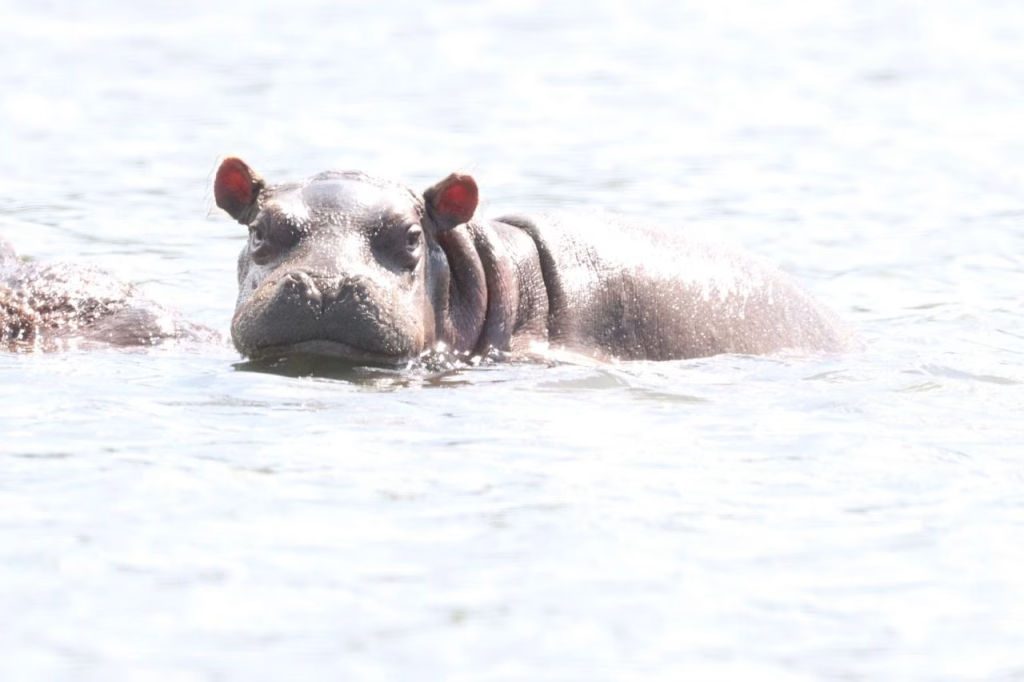
Mzima Springs is one of the most famous Tsavo West attractions. It feels like a cool secret inside a dry land.
Clear water rises from below lava rock and forms a green oasis. The water supports hippos, crocodiles, fish, monkeys, and birds. The area can feel calm, but it is still wild.
Mzima Springs works well for first-time safari guests. It also works well for families because it adds variety to long game-drive days.
What makes Mzima Springs special?
Mzima Springs shows the water side of Tsavo West. That contrast is part of its appeal.
Many Tsavo West attractions show fire, rock, and heat. Mzima shows shade, water, and life. It helps visitors understand why this park feels so varied.
The spring area also gives travelers a chance to leave the vehicle. Walking slowly near the water makes the visit feel different from a standard game drive.
How to plan Mzima Springs
Visit Mzima Springs after a morning game drive or before a longer afternoon route. The stop can refresh the day.
Wear comfortable shoes. Carry water. Stay on marked paths. Give hippos and crocodiles space.
Mzima is one of the Tsavo West attractions that most visitors should include, even on a short safari.
2. Shetani Lava Flow: The Dark Volcanic Heart of Tsavo West
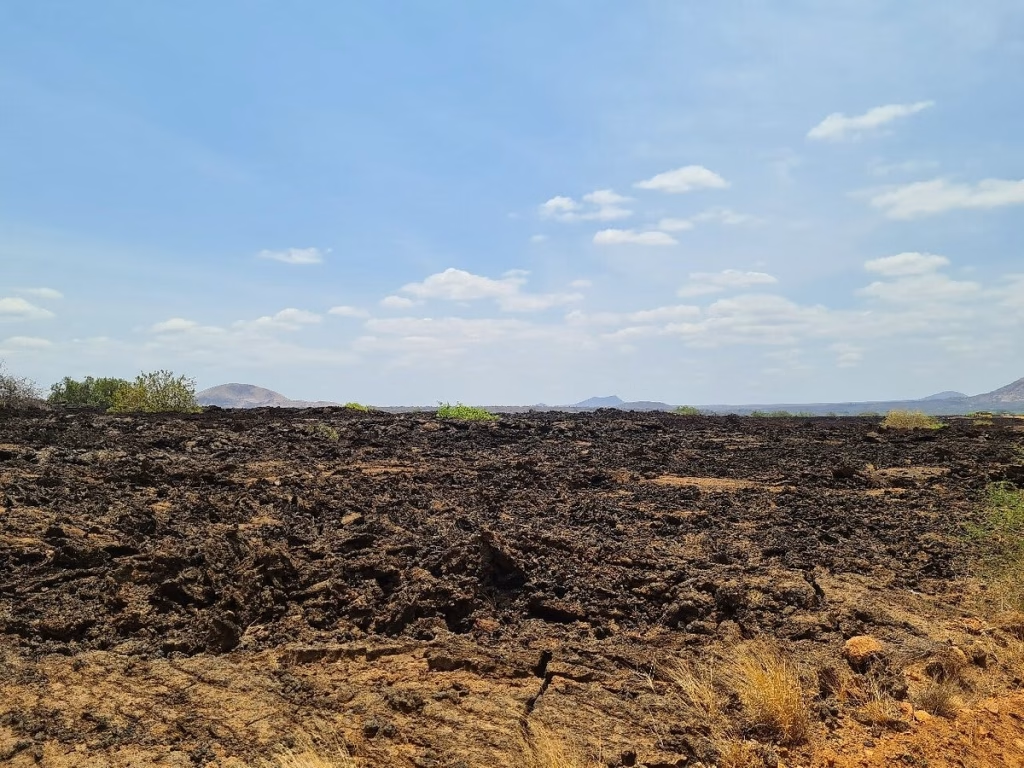
Shetani Lava Flow is one of the most striking Tsavo West attractions. It is a black lava field that cuts across the dry landscape.
The word “Shetani” means devil in Kiswahili. Local stories connect the name to the fiery force that shaped the lava field. KWS states that the molten lava spewed from the earth about 200 years ago.
This stop gives Tsavo West a strong volcanic identity. It also gives travelers a break from the usual search for animals.
What to expect at Shetani Lava Flow
The ground is rough, dark, and sharp. It looks like a frozen river of rock.
The scene can feel harsh under bright sun. Yet that harshness is part of its beauty. It reminds visitors that Tsavo West was shaped by fire as well as water.
This is one of the Tsavo West attractions where a guide adds value. A guide can explain the lava, folklore, and safety points.
How to plan Shetani Lava Flow
Visit in the morning or late afternoon. Midday heat can make the rock uncomfortable.
Wear closed shoes. Avoid sandals. Watch every step because the lava can be uneven.
Shetani Lava Flow is one of the best Tsavo West attractions for photography, geology, and storytelling.
3. Chaimu Hill: A Short Climb with Wide Views
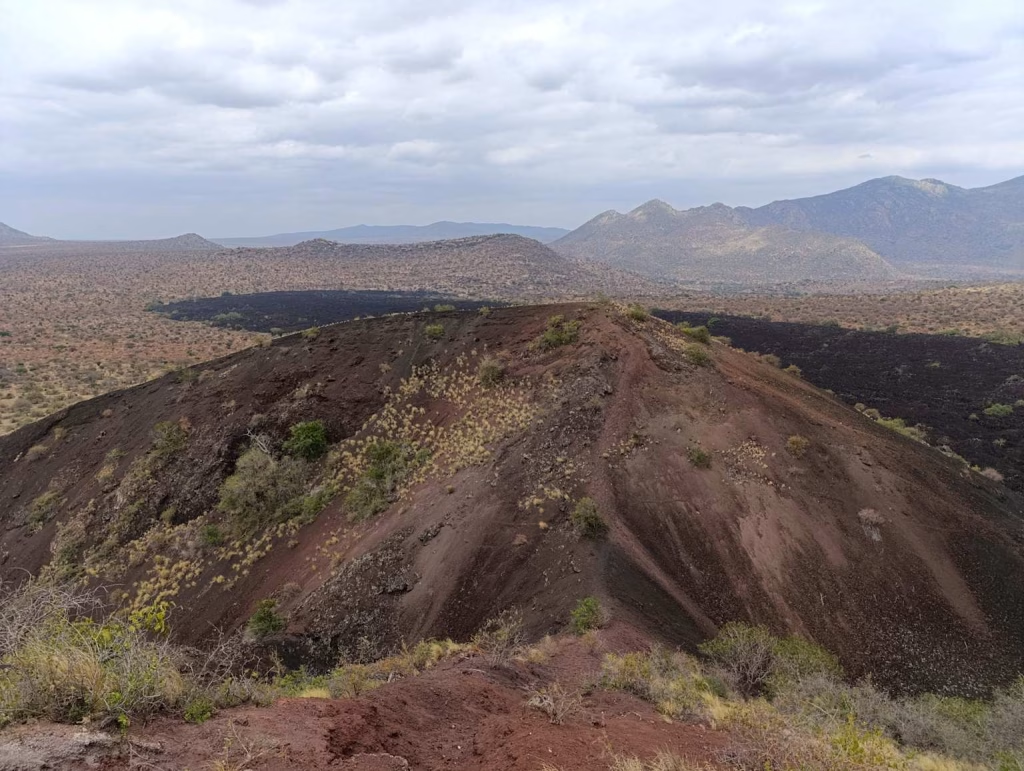
Chaimu Hill is one of the most rewarding Tsavo West attractions for active travelers. It is a black lava hill with sweeping views.
Campo’s destination page describes Chaimu Crater as a black lava hill that visitors can hike for a panoramic view of the park.
The walk is not about a long climb. It is about seeing Tsavo West from above. From higher ground, the park’s shape becomes clearer.
Why Chaimu Hill is worth the effort
Many safari days happen inside a vehicle. Chaimu Hill gives you a chance to stretch and look across the land.
You may see plains, rocky ground, bush, hills, and distant routes. The view helps explain why Tsavo West attractions feel so different from each other.
The climb also gives photographers a strong angle. It works well for wide landscape shots and safari portraits.
How to plan Chaimu Hill
Plan Chaimu Hill in the morning. The black lava ground can heat up fast.
Carry water. Wear firm shoes. Move slowly on loose ground.
Chaimu Hill is one of the Tsavo West attractions that adds movement, height, and perspective to a safari.
4. Ngulia Rhino Sanctuary: A Conservation-Led Attraction
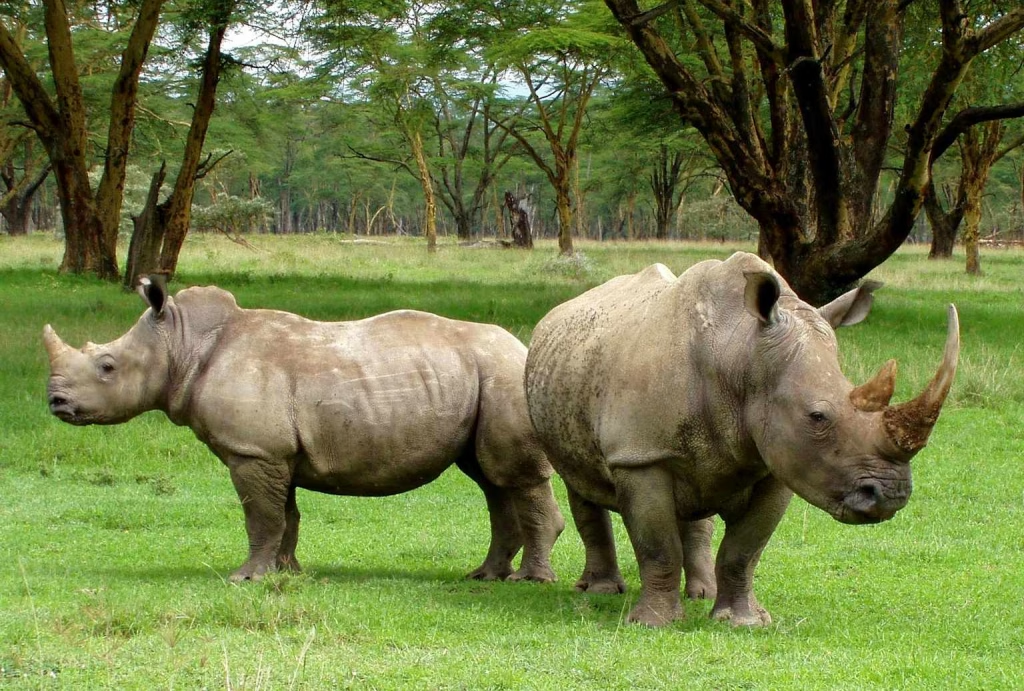
Ngulia Rhino Sanctuary is one of the most important Tsavo West attractions. It gives the park a clear conservation role.
The sanctuary protects highly endangered black rhinos. KWS identifies Tsavo West as home to Ngulia Rhino Sanctuary and a growing black rhino population.
Rhino sightings are never guaranteed. The area is large, and rhinos can be hard to spot. Still, the visit adds meaning to a safari.
Why Ngulia Rhino Sanctuary matters
A rhino-focused route teaches travelers about protection, habitat, and patience. It also shows why conservation needs space, money, and time.
This is not a zoo-style attraction. It is a wild area with a strong purpose. That makes the visit deeper.
A good guide can explain black rhino behavior, threats, patrol work, and viewing ethics. That context turns the drive into a learning experience.
How to plan Ngulia Rhino Sanctuary
Your lodge location matters. A poor base can make the drive long and tiring.
Use our Tsavo West accommodation guide before booking. It compares lodges by location, route fit, and traveler type.
Ngulia Rhino Sanctuary is one of the best Tsavo West attractions for conservation-minded travelers.
5. Roaring Rocks: A Viewpoint for Big Safari Landscapes
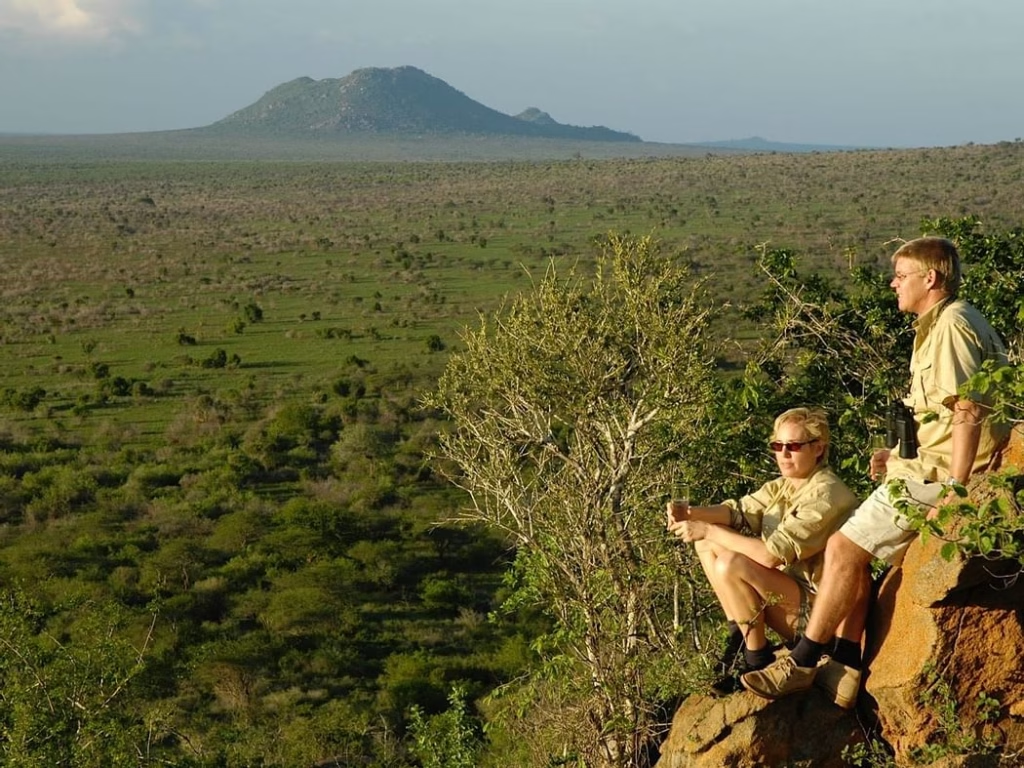
Roaring Rocks is one of the most scenic Tsavo West attractions. It gives travelers a wide view over hills, plains, and wildlife routes.
KWS describes Roaring Rocks and Poacher’s Lookout as panoramic vantage points. These viewpoints help visitors see scenic topography and wildlife movement.
The value of Roaring Rocks is not only the view. It also changes how you understand the park.
What makes Roaring Rocks special?
Game drives can make people look only for animals. Roaring Rocks makes people look at the whole land.
From a raised viewpoint, Tsavo West feels layered. You see ridges, valleys, plains, bush, and sky. The view can be quiet and powerful.
It is also a strong stop for landscape photography. Late afternoon light can add warmth and depth.
How to plan Roaring Rocks
Visit Roaring Rocks late in the day when possible. The sun angle is better for photos.
Do not rush the stop. Spend a few minutes watching light, wind, and movement.
Roaring Rocks is one of the Tsavo West attractions that gives a safari its sense of scale.
6. Poacher’s Lookout: Views with a Conservation Story
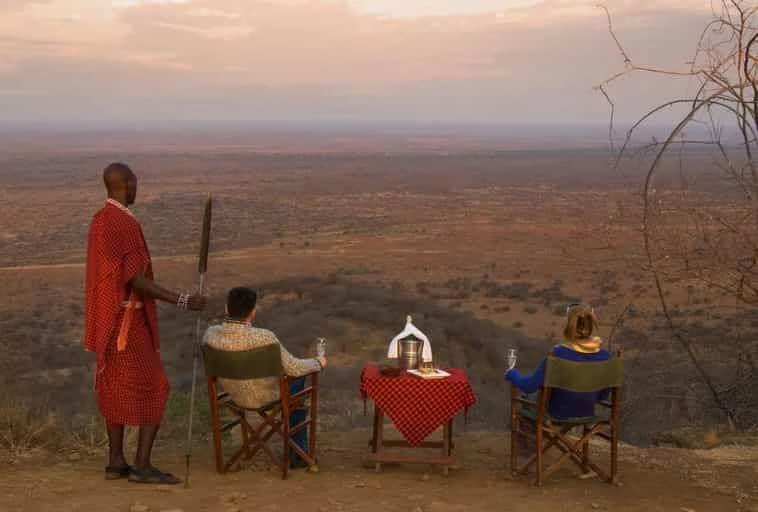
Poacher’s Lookout is one of the Tsavo West attractions that blends scenery with history. It is also a good place to discuss wildlife protection.
The name points to a difficult part of conservation history. Today, the stop helps visitors think about how large wild spaces are watched and protected.
Poacher’s Lookout also offers broad views. Like Roaring Rocks, it helps guests read the land from above.
Why Poacher’s Lookout is worth a stop
This is not only a photo point. It is a storytelling point.
Ask your guide about wildlife movement, patrol work, and why high ground matters. Ask how rangers protect huge areas with limited resources.
Such conversations can make a safari more thoughtful. They help connect travel to conservation.
How to plan Poacher’s Lookout
Poacher’s Lookout works well with Roaring Rocks. The two Tsavo West attractions can fit into a scenic drive.
Late afternoon is a strong time for both. The views gain color, and the heat begins to drop.
This stop suits travelers who enjoy views, history, and slow safari moments.
7. Lake Jipe: A Birding and Water-Based Highlight
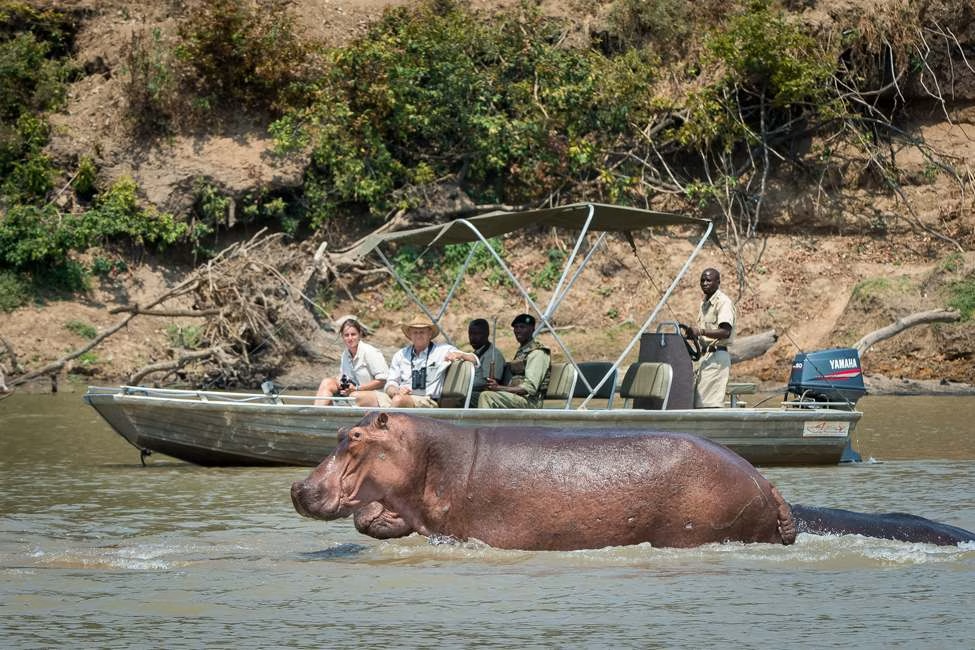
Lake Jipe is one of the most useful Tsavo West attractions for birders. It lies along the Kenya-Tanzania border and has rich water life.
KWS notes that Lake Jipe teems with aquatic life. KWS also says bird watching is a major activity around the lake.
Lake Jipe may not fit every short safari. Yet it can be a strong choice for travelers with more time.
What makes Lake Jipe different?
Lake Jipe changes the safari mood. Water slows the pace.
Birders can scan reeds, shores, and open water. Photographers can look for reflections, distant hills, and wetland scenes. Wildlife lovers may enjoy the shift from dry bush to lake habitat.
This is one of the Tsavo West attractions that rewards patience. It is not a quick drive-by stop.
How to plan Lake Jipe
Tell your planner early if Lake Jipe matters. Your gate, lodge, and route should support it.
Carry binoculars and a bird guide. Plan a slower morning rather than a rushed afternoon.
Lake Jipe is one of the best Tsavo West attractions for repeat safari guests and bird watchers.
8. Five Sisters of Tsavo Hills: Volcanic Shapes and Safari Photos
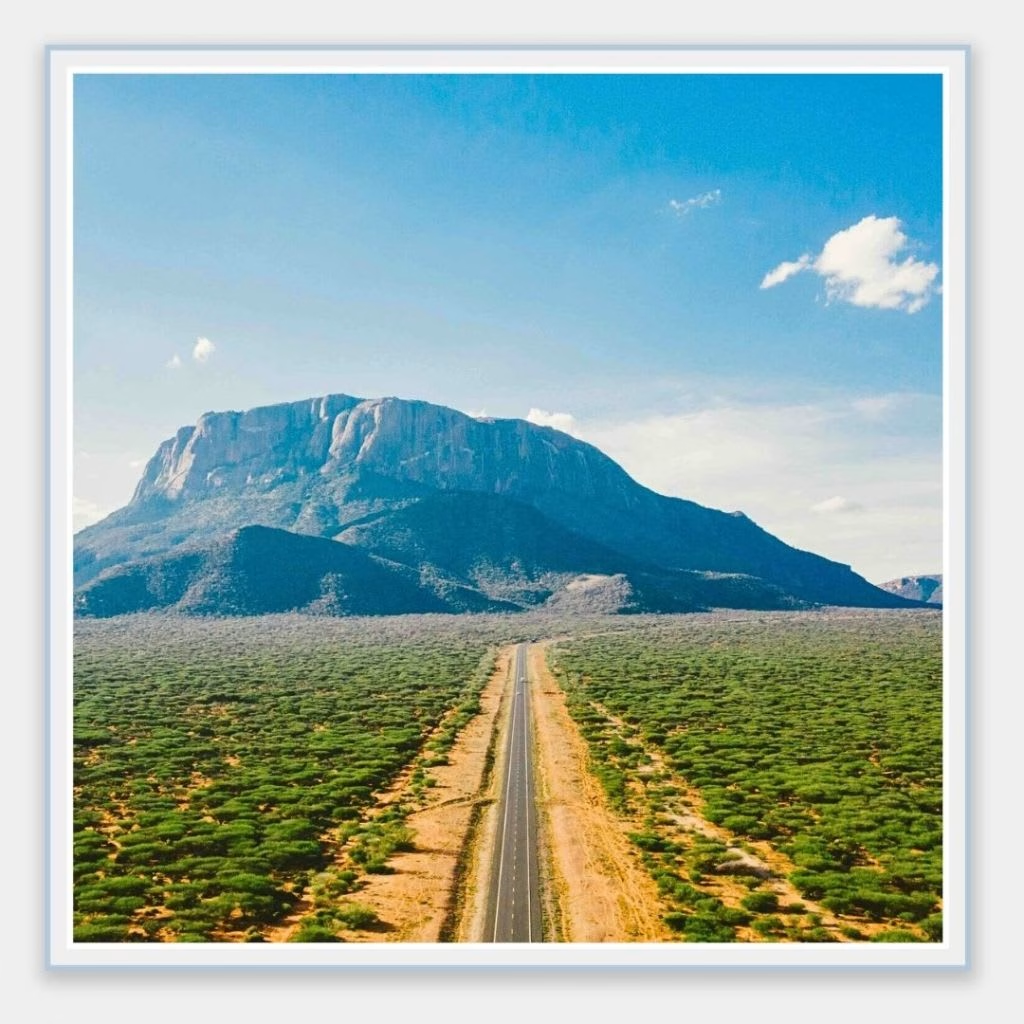
The Five Sisters of Tsavo Hills are among the most scenic Tsavo West attractions. They add form and character to the park’s skyline.
KWS describes the Five Sisters as volcanic hills that offer a scenic backdrop for wildlife photography.
These hills may not require a long stop. Yet they can make your photos feel more rooted in Tsavo West.
Why the Five Sisters matter
Safari photos often focus only on animals. The Five Sisters help show where the animals live.
A giraffe, elephant, acacia tree, or safari vehicle can look stronger with volcanic hills behind it. The hills also help explain the park’s volcanic past.
This is one of the Tsavo West attractions that works best as part of a drive. You do not need to build a whole day around it.
How to photograph the Five Sisters
Use the hills as a background. Wait for wildlife, trees, or light to create balance.
Morning and late afternoon are best. Midday light can make the land look flat.
The Five Sisters are ideal for travelers who want simple but strong landscape images.
Suggested Routes for Tsavo West Attractions
The best Tsavo West attractions route depends on trip length. A good route avoids wasted time and rushed stops.
One-day route for Tsavo West attractions
A one-day route should stay focused. Choose Mzima Springs, Shetani Lava Flow, Chaimu Hill, and one viewpoint.
This route gives water, lava, hiking, and views. It also leaves room for game drives.
Avoid adding Lake Jipe on a short day unless your route already supports it.
Two-day route for Tsavo West attractions
Two days give a better safari pace. Use one day for Mzima Springs, Shetani Lava Flow, and Chaimu Hill.
Use the second day for Ngulia Rhino Sanctuary, Roaring Rocks, and Poacher’s Lookout.
This route balances scenery, conservation, and wildlife. It also gives time for rest at the lodge.
Three-day route for Tsavo West attractions
Three days allow a richer plan. Add Lake Jipe, more birding, and slower game drives.
You can also link Tsavo West with nearby areas. Read our guide to things to do in Tsavo West for more activity ideas.
A three-day route is best for travelers who want depth, not just highlights.
How Tsavo West Attractions Compare with Tsavo East
Tsavo West attractions feel different from Tsavo East highlights. Tsavo West has more hills, springs, lava, viewpoints, and rhino-focused routes.
Tsavo East is better known for open plains, red elephants, and long wilderness views. You can compare the two parks in our Tsavo East National Park guide.
Many travelers combine both parks. This creates a stronger Tsavo safari because each side offers a different mood.
For wider route planning, browse Campo’s Kenya safari destinations. It can help you link Tsavo West with Amboseli, Taita Hills, or the coast.
Want to see the best Tsavo West attractions in the right order? Let Campo East Africa Safaris plan your lodge, route, game drives, and travel timing. Start with our Wildlife Safari options, or contact us to build a custom Tsavo West safari.
FAQs About Tsavo West Attractions
What are the main Tsavo West attractions?
The main Tsavo West attractions include Mzima Springs, Shetani Lava Flow, Chaimu Hill, Ngulia Rhino Sanctuary, Roaring Rocks, Poacher’s Lookout, Lake Jipe, and the Five Sisters of Tsavo Hills.
What is the most famous attraction in Tsavo West?
Mzima Springs is one of the most famous Tsavo West attractions. It is known for clear water, hippos, crocodiles, fish, birds, and shaded paths.
Is Shetani Lava Flow worth visiting?
Yes. Shetani Lava Flow is one of the most unique Tsavo West attractions because it shows the park’s volcanic past.
Can you see rhinos in Tsavo West?
Yes, Tsavo West has Ngulia Rhino Sanctuary. However, rhino sightings are never guaranteed because the sanctuary is a wild area.
Is Lake Jipe worth visiting?
Lake Jipe is worth visiting for birding, water scenery, and slower safari travel. It works best when your route allows enough time.
Which Tsavo West attractions are best for photography?
The best Tsavo West attractions for photography include Roaring Rocks, Poacher’s Lookout, Five Sisters, Shetani Lava Flow, Chaimu Hill, and Mzima Springs.
How many days do you need for Tsavo West attractions?
Two nights are enough for the main Tsavo West attractions. Three nights are better for Lake Jipe, birding, Ngulia routes, and slower game drives.