
11 Reasons to Visit Amboseli National Park
Welcome to Amboseli National Park, a gem in the southern region of Kenya. Known for its rich wildlife and stunning landscapes, Amboseli is a must-visit destination for any nature lover. With the majestic Mount Kilimanjaro providing a breathtaking backdrop, the park offers an unparalleled safari experience. Embarking on a journey to visit Amboseli National Park is more than just an invitation; it's a call to embark on an unforgettable journey into the heart of Africa's diverse and captivating wilderness.
As you plan your visit to Amboseli National Park, you may wonder what makes this park so special. Why should Amboseli be on your travel bucket list? The reasons are as diverse as the park itself. From the majestic elephant herds to the world-class accommodation options, every aspect of Amboseli is designed to give you an unforgettable experience. In this blog, we delve into 11 compelling reasons why your next safari destination should be Amboseli National Park. Let's explore.
Table of Contents
- The Majestic Elephant Herds of Amboseli
- World-Class Accommodation Options
- The Majestic Views of Mount Kilimanjaro
- Interesting Geography and Sights
- UNESCO-Mab Biosphere Reserve
- Unique Water Supply
- Good Year-Round Climate
- Filming Opportunities
- Big Game Viewing
- Bird Watching
- Cultural Visits
1. The Majestic Elephant Herds of Amboseli
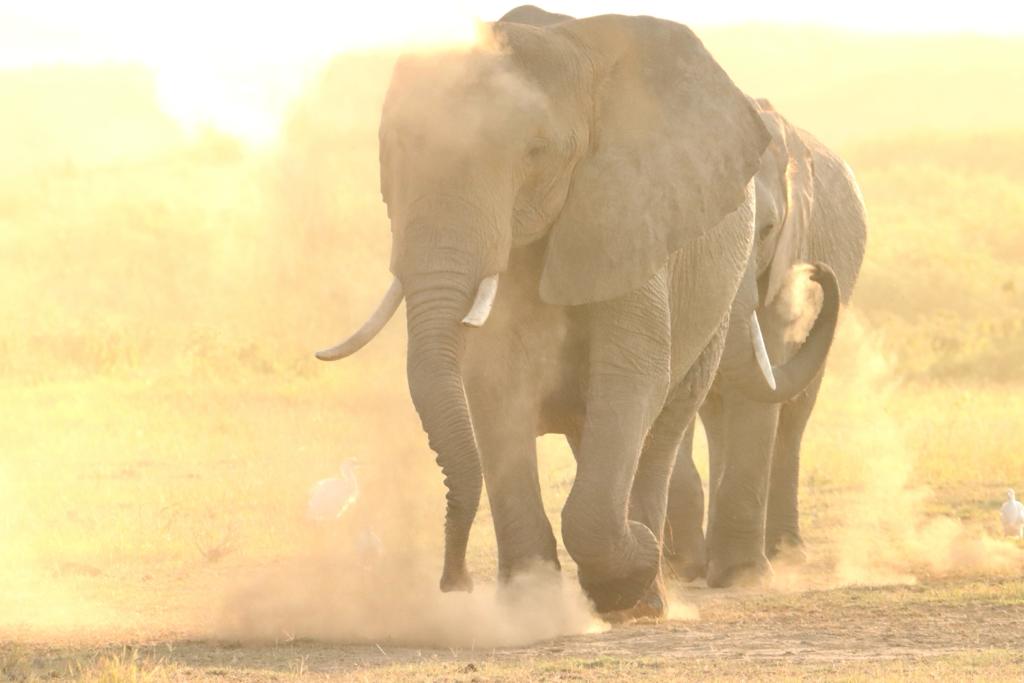
If there's one image that encapsulates the essence of Amboseli National Park, it's the sight of a majestic elephant herd wandering freely against the backdrop of Mount Kilimanjaro. Amboseli is renowned worldwide for its remarkable elephant population. Here, these gentle giants roam the plains, forests, and wetlands, offering visitors an unparalleled opportunity to observe them in their natural habitat.
But the experience goes beyond mere observation. In Amboseli, you get to witness the intricate social structures of elephant herds, observe their behavior, and even identify individuals by their tusks and other unique features. This is largely thanks to the ongoing research by the Amboseli Trust for Elephants. This organization has been studying the elephants of Amboseli for over four decades, making it one of the longest-running projects of its kind in the world.
The Trust's work has not only provided invaluable insights into elephant behavior and ecology but also contributed significantly to elephant conservation efforts in the region. Visitors to Amboseli can learn more about this fascinating research and how it's helping to secure a future for Amboseli's elephants. For more information, you can visit the Amboseli Trust for Elephants website.
In Amboseli, the elephants are more than just a tourist attraction. They are a symbol of the park's commitment to conservation and a testament to the beauty and complexity of the natural world. A visit to Amboseli offers a unique opportunity to witness this first-hand, making it a must-visit destination for any wildlife enthusiast.
2. World-Class Accommodation Options

A safari in Amboseli National Park is not just about the wildlife and breathtaking landscapes; it's also about the exceptional hospitality that Kenya is known for. The park and its surroundings offer a range of world-class accommodation options that cater to different tastes and budgets.
Whether you prefer the rustic charm of a lodge nestled within the park or the luxury of a high-end camp on the outskirts, there's something to suit every preference. These accommodations offer a unique blend of comfort and adventure, allowing you to immerse yourself in the wilderness without sacrificing modern conveniences.
For instance, the Amboseli Serena Lodge, located inside the park, offers accommodation to large groups and conferences. It's one of the oldest lodges in the area and is built in front of a swamp where elephants and other herbivores spend the better part of the day grazing. The lodge is also eco-friendly, making use of solar power.
On the other hand, if you're looking for a more luxurious experience, the Tortilis Camp, located adjacent to the park inside the Kitirua Conservancy, offers high-end accommodation. Managed by Cheli and Peacock, who merged with Elewana camps, this camp provides an unforgettable luxury safari experience.
These are just a couple of examples of the accommodation options available in and around Amboseli. For a more detailed guide on where to stay, check out our blog post on Accommodation in Amboseli.
Staying in these accommodations not only enhances your safari experience but also gives you a chance to enjoy the warm Kenyan hospitality, delicious cuisine, and stunning views right from your room. This makes visiting Amboseli National Park a holistic experience, combining adventure, relaxation, and luxury.
3. The Dramatic Views of Mount Kilimanjaro
One of the most compelling reasons to visit Amboseli National Park is the dramatic views it offers of Mount Kilimanjaro. Standing tall at 5,895 meters, Kilimanjaro is the highest free-standing mountain in the world and the highest peak on the African continent. When we say "free-standing," we mean that Kilimanjaro is not part of a mountain range but stands alone, which adds to its grandeur and majesty. While Mount Everest is indeed the highest mountain above sea level, Kilimanjaro holds the title for the tallest mountain that stands alone.
From the park, you can witness the mountain in all its glory, especially during the early morning and late afternoon when the clouds often part to reveal the summit. The sight of the sun rising or setting against the silhouette of Kilimanjaro is a spectacle that many visitors find unforgettable.
But the mountain is more than just a beautiful backdrop. It plays a crucial role in the ecosystem of the park. The snowmelt from Kilimanjaro feeds the underground rivers that supply water to the park, creating lush habitats for the wildlife that call Amboseli home.
Whether you're a photographer looking for the perfect shot, a nature lover appreciating the beauty of the landscape, or a traveler seeking unforgettable experiences, the dramatic views of Mount Kilimanjaro from Amboseli National Park are sure to leave a lasting impression.
4. Interesting Geography and Sights
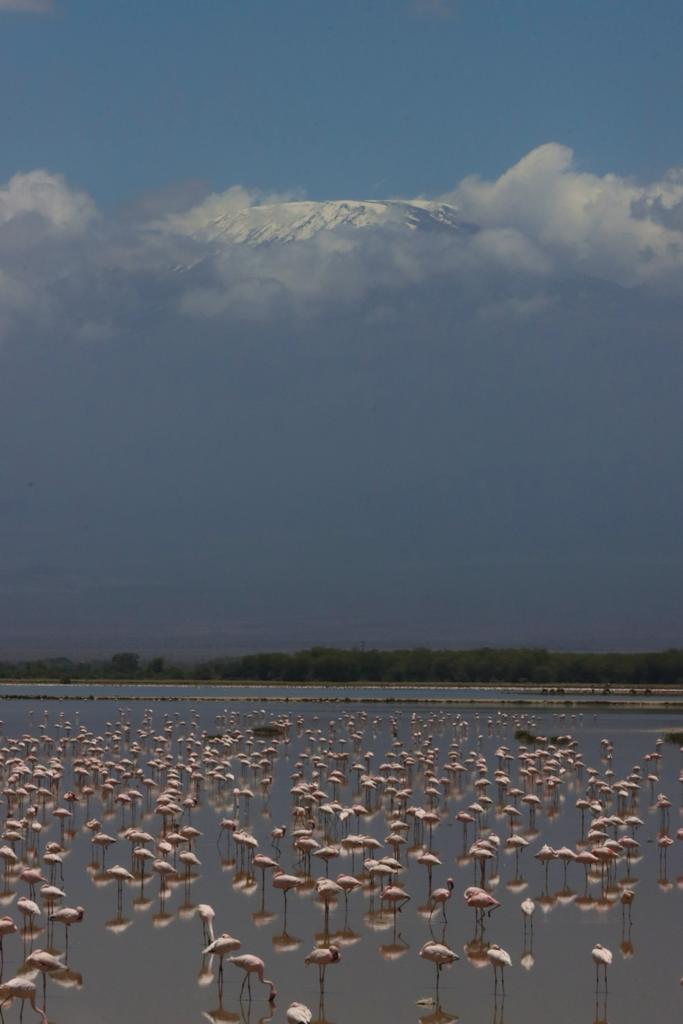
Amboseli National Park is not just about wildlife; it's also about the fascinating geography and sights that make it a unique destination. The park covers an area of 392 square kilometers and is situated in Kajiado County of Kenya. Its diverse landscape ranges from dry savannah to marshy swamps, offering a variety of habitats for the wildlife that resides here.
One of the most striking geographical features of Amboseli is its wetlands. Fed by the underground rivers from Mount Kilimanjaro, these wetlands are home to a variety of bird species and act as a crucial water source for the park's wildlife, especially during the dry season.
Another interesting sight is the Observation Hill, which provides panoramic views of the entire park. From this vantage point, you can see the vast savannah, the swamps, and the wildlife that inhabit them, all set against the backdrop of Mount Kilimanjaro.
The park is also home to Lake Amboseli, which, despite being often dry, attracts a variety of birdlife and is a great spot for bird watching. When it fills up during the rainy season, the lake reflects the towering peak of Mount Kilimanjaro, creating a stunning spectacle.
Visiting Amboseli National Park gives you a chance to immerse yourself in these unique geographical features and sights, adding another dimension to your safari experience. Whether you're a geography enthusiast, a nature lover, or a curious traveller, the interesting geography and sights of Amboseli are sure to captivate you.
5. UNESCO-Mab Biosphere Reserve
Adding to its list of accolades, Amboseli National Park was declared a UNESCO-Mab Biosphere Reserve in 1991. This designation recognizes the park's significant natural and cultural resources, as well as its commitment to sustainable development.
Biosphere reserves are areas comprising terrestrial, marine, and coastal ecosystems. Each reserve promotes solutions reconciling the conservation of biodiversity with its sustainable use. Being recognized as a biosphere reserve is a testament to Amboseli's efforts to balance conservation and development. It acknowledges the park's commitment to preserving its unique ecosystems while also promoting the sustainable use of its resources.
This recognition also highlights the importance of the park's role in education and research, particularly in relation to biodiversity and climate change. The Amboseli Biosphere Reserve serves as a living laboratory, where scientists can study the impact of climate change on ecosystems and develop strategies for sustainable development.
Visiting Amboseli National Park gives you the opportunity to explore a recognized biosphere reserve, where conservation, research, and sustainable development come together. It's a chance to witness firsthand how these elements interact and to learn about the importance of preserving our planet's biodiversity for future generations.
6. Unique Water Supply
Amboseli National Park boasts a unique water supply that sets it apart from other wildlife reserves. The park is fed by an endless underground water supply that is filtered through thousands of feet of volcanic rock from Kilimanjaro’s ice cap. This water then funnels into two clear water springs in the heart of the park.
These springs play a crucial role in the park's ecosystem. They create lush wetlands that provide a habitat for a wide variety of bird species and serve as a vital water source for the park's wildlife, especially during the dry season. The presence of these springs also contributes to the park's diverse landscape, which ranges from dry savannah to marshy swamps.
The sight of these springs, with their clear water surrounded by lush greenery, is a stark contrast to the arid savannah and is a testament to the life-giving power of water. A visit to Amboseli offers you the chance to see these springs and to understand their importance in the park's ecosystem.
Whether you're a nature lover, a geography enthusiast, or a curious traveler, the unique water supply of Amboseli National Park adds an interesting dimension to your safari experience. It's a reminder of the intricate connections within nature and the importance of water in sustaining life.
7. Good Year-Round Climate
Another reason to visit Amboseli National Park is its favorable climate. The park enjoys a relatively dry and warm climate, making it a great destination for a safari at any time of the year. The temperatures typically range from 20°C to 30°C (68°F to 86°F), providing a comfortable environment for game drives and other activities.
The park experiences two rainy seasons, the long rains from March to May and the short rains from November to December. These periods bring a burst of life to the park, transforming the landscape into a lush paradise and filling the waterholes and swamps. This attracts a variety of wildlife and makes for excellent game viewing.
Even during the dry season, from June to October and January to March, Amboseli does not disappoint. The wildlife tends to congregate around the remaining water sources, making it easier to spot them.
Whether you're planning a trip in the wet or dry season, Amboseli National Park offers unique experiences all year round. Its good climate ensures that no matter when you visit, you're in for an unforgettable safari adventure.
8. A Popular Filming Location
Amboseli National Park's stunning landscapes and abundant wildlife have not only attracted tourists from around the world but have also caught the attention of filmmakers. The park has been a popular filming location for a number of films and documentaries, showcasing its beauty to global audiences.
One of the most popular films shot in Amboseli is "Lara Croft: Tomb Raider - The Cradle of Life". This action-adventure film, starring Angelina Jolie, used the park's unique landscapes as a backdrop for some of its thrilling scenes.
Most recently, the park was the focus of the "Wonders of Amboseli" documentary in 2021, which showcases the park's natural beauty and the diverse species that inhabit it.
A more comprehensive list of films shot in Amboseli can be found on the IMDb website.
Visiting Amboseli National Park gives you the chance to walk in the footsteps of filmmakers and see the locations of your favorite films and documentaries firsthand. It's an opportunity to experience the magic of Amboseli beyond the screen and create your own unforgettable memories.
9. Big Game Viewing
One of the main reasons people visit Amboseli National Park is for the big game viewing. The park is home to a variety of large mammals, making it a prime destination for wildlife enthusiasts and photographers.
The park is renowned for its large herds of elephants, but it's also home to other members of the African Big Five. Lions, leopards, and buffalo can be spotted throughout the park.
In addition to the Big Five, Amboseli is home to a host of other wildlife. Zebras, wildebeests, giraffes, impalas, and numerous other species roam the park's plains. The park's swamps and wetlands also attract hippos and a variety of water birds.
Daytime and night game drives in Amboseli offer close encounters with these animals in their natural habitat. Whether you're watching a herd of elephants against the backdrop of Mount Kilimanjaro, spotting a pride of lions on the hunt, or observing the graceful movements of a giraffe, big game viewing in Amboseli is an experience like no other.
So, if you're a wildlife lover, Amboseli National Park is a must-visit destination. The opportunity to see such a diverse range of large mammals in one place is something you won't want to miss.
10. Bird Watching
For bird enthusiasts, Amboseli National Park is a paradise. The park is home to over 400 species of birds, making it one of the best bird-watching destinations in Africa. From water birds to raptors and everything in between, Amboseli offers a diverse birding experience.
The park's swamps and wetlands attract a variety of water birds, including pelicans, kingfishers, crakes, and the globally threatened Madagascar Pond-Heron. The acacia woodland and savannah habitats are home to species like the Rufous Chatterer, Yellow-necked Spurfowl, and the Von der Decken's Hornbill.
One of the highlights of bird watching in Amboseli is the presence of large birds of prey. The park is home to several species of eagles, hawks, and vultures. The African Fish Eagle, with its distinctive black, white, and chestnut plumage, is a common sight near the park's water bodies.
Whether you're a seasoned birder or a casual observer, the sheer diversity of birdlife in Amboseli National Park is sure to impress. With a good pair of binoculars and a bit of patience, you can spot a wide array of bird species, adding a colorful and melodious dimension to your safari experience.
11. Cultural Visits
A visit to Amboseli National Park is not just about wildlife and landscapes; it's also an opportunity to immerse yourself in local culture. The park is located in the homeland of the Maasai people, one of the most well-known indigenous tribes in Africa. Their vibrant culture and traditional way of life add a unique dimension to the Amboseli experience.
Visitors to the park have the opportunity to visit local Maasai villages, known as manyattas. Here, you can witness the traditional Maasai way of life, from their distinctive red clothing and intricate beadwork to their traditional houses made from cow dung and straw.
During these visits, you can participate in traditional dances, listen to Maasai warriors tell stories of their bravery, and learn about their customs and traditions. You'll also have the chance to purchase handmade Maasai crafts, which make for unique souvenirs.
These cultural visits provide a deeper understanding of the Maasai people's symbiotic relationship with the wildlife and the environment. They offer a glimpse into how the Maasai have lived in harmony with nature for centuries, a lesson that resonates with many visitors to the park.
Experiencing the Maasai culture is an integral part of visiting Amboseli National Park. It's an opportunity to learn about a different way of life and gain a deeper appreciation for the people who call this part of the world home.
Plan Your Visit to Amboseli National Park
Having explored the many reasons to visit Amboseli National Park, it's clear that this destination offers a rich and diverse experience that goes beyond the ordinary. From the majestic elephants and stunning views of Mount Kilimanjaro to the vibrant Maasai culture and the diverse birdlife, Amboseli National Park is a gem that promises an unforgettable journey into the heart of Africa's wilderness.
Now that you're equipped with all this information, it's time to plan your visit. Whether you're a wildlife enthusiast, a bird watcher, a culture lover, or simply someone looking for a unique adventure, Amboseli National Park has something for you.
We at Campo East Africa Safaris are here to help you make the most of your visit to Amboseli. Our three-day Amboseli package is designed to give you an immersive experience of all that the park has to offer. From comfortable accommodation to guided tours and game drives, we've got you covered.
Don't wait any longer. Embark on the journey of a lifetime and experience the magic of Amboseli National Park. Book your safari with us today!


Recent Comments