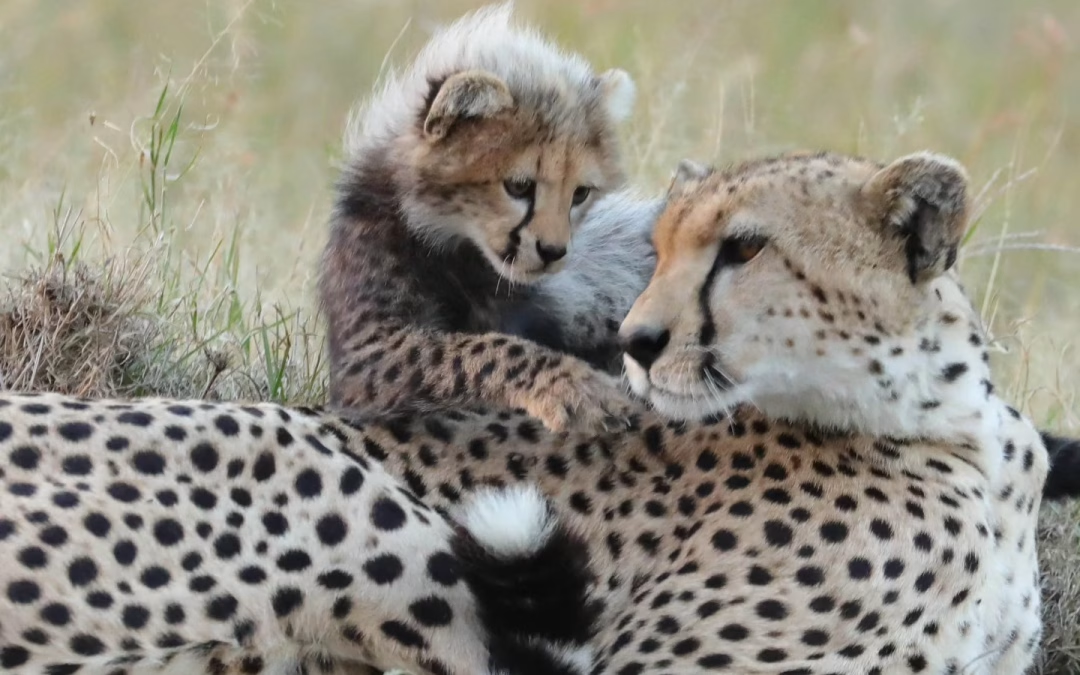
MAASAI MARA, Kenya — The Maasai Mara has lost one of its most iconic big cats. Nora the Queen, believed to be the oldest female cheetah in the Mara ecosystem at 13.5 years, was tragically killed in a rare and brutal encounter with a leopard known locally as Bella 2. The fatal attack occurred as she was crossing a dry riverbed, shocking guides and researchers who had never expected such a seasoned and resilient cheetah to fall in this way.
Nora’s passing comes amid a cheetah population of approximately 72 individuals in the Maasai Mara and surrounding conservancies — a number that highlights both the Mara’s status as a key stronghold for this vulnerable species and the constant threat they face from larger predators.
A Matriarch of the Mara
Born in April 2012 to her mother, Narasha, and sister to Nur, Nora rose to prominence over more than a decade in the Mara. Throughout her life, she mated largely with members of the famous Tano Bora cheetah coalition, and was known to have one surviving male cub, now about ten years old.
Tragically, one of the most dramatic moments in the Tano Bora saga also involved Nora: when Olpadan, a dominant member of that coalition, returned from a mating excursion with her, his own coalition mates rejected him, leading to his eventual death — a story that became part of Mara folklore.
A Sudden and Unexpected End
Despite her age and experience, Nora did not survive the ambush by Bella 2, a leopardess known for her stealth and power. Cheetahs are typically sensitive to the presence of other big cats, often avoiding confrontation, but guides were taken by surprise: many had assumed that, given her maturity, Nora would either defend herself or flee swiftly. F
Leopard attacks on adult cheetahs are rare but not unheard of; leopards are stronger, more muscular predators that can overpower cheetahs, especially older ones whose senses and reflexes have begun to fade.
Legacy of a Queen
Nora’s remarkable life was defined by survival, motherhood, and the hard realities of life on the Mara plains. She was respected by guides, beloved by wildlife watchers, and admired for her tenacity. Now, as the Mara mourns her loss, her story underscores the fragility of cheetah lives in a land dominated by lions, hyenas, and now, powerful leopards.
Rest in peace, Nora the Queen — long may your legacy run through the grasses of the Mara.
MAASAI MARA, Kenya — The legendary Tano Bora cheetah coalition, once the most formidable male cheetah alliance in the Maasai Mara, has suffered another heartbreaking loss. Winda, one of the last surviving members, passed away on the morning of Saturday, March 15, 2025, following complications from a broken leg. His death marks the end of an era, leaving only Olonyok to navigate the vast Mara plains alone.
At 10.5 years old, Winda had defied the odds, outliving his former coalition partners, all of whom met tragic ends over the years. From their rise to fame in 2016 to their eventual decline, the Tano Bora coalition captivated wildlife enthusiasts and researchers worldwide. Their unique hunting skills, strong social bonds, and dominance over the Mara's open grasslands made them a symbol of the cheetah’s resilience and struggles in the wild.
Now, as the last of his kind, Olonyok faces an uncertain future—one that underscores the harsh reality of life for Africa’s fastest land predators.
Olonyok
A History of the Tano Bora Cheetah Coalition
In the vast plains of the Maasai Mara, where survival is dictated by speed, strategy, and strength, an extraordinary alliance emerged in 2016—the Tano Bora coalition. Meaning The Magnificent Five in Swahili, this group of five male cheetahs defied typical cheetah behavior, forming the largest and most successful cheetah coalition ever recorded in the region.
Cheetah coalitions are usually made up of two or three related males who band together to improve their hunting efficiency and territorial control. However, the Tano Bora coalition was unique—not just in size but in the sheer effectiveness of their collaboration. Their ability to take down larger prey and defend their kills from scavengers set them apart, making them one of the most closely studied and admired cheetah groups in recent history.
The Formation of the Tano Bora
The five males that would form Tano Bora were not all from the same litter, a rarity in cheetah coalitions. It is believed that four of the Tano Bora males—Winda, Olonyok, Leboo, and Olarishani—were first seen together in Naboisho Conservancy before Olpadan joined them in December 2016. By 2017, all five had moved to the Maasai Mara National Reserve, which became their primary territory and a prime location for wildlife enthusiasts to spot them. While they occasionally ventured into conservancies like Naboisho to avoid crowds, lions, and hyenas, the main reserve remained their stronghold throughout their years as a dominant coalition.
Each member of the coalition had a distinct personality and role:
Olpadan – The dominant male, often seen asserting control over the group.
Olarishani – The strategic one, known for his calculated approach to hunting and territory patrols.
Leboo – The enforcer, playing a crucial role in maintaining the group's unity.
Winda – The fastest and most agile, often leading hunts.
Olonyok – The resilient one, now the last surviving member.
Tano Bora Cheetah Coalition
Their rise to prominence began in late 2016 when they established their dominance over a vast stretch of the Maasai Mara. Unlike solitary males or smaller coalitions, the Tano Bora had the numbers to successfully take on larger prey, including adult wildebeest—an uncommon feat for cheetahs, who typically hunt smaller gazelles. Their exceptional teamwork in hunting, defending kills from hyenas, and controlling prime territory set them apart.
The Significance of the Tano Bora Cheetah Coalition
Tano Bora was more than just a successful cheetah group—it became a global sensation. Wildlife photographers, safari guides, and researchers closely followed their movements, capturing dramatic moments of their hunts and social interactions. The coalition was featured in documentaries and numerous wildlife reports, earning a reputation as the most famous cheetah coalition in the world.
Their success also contributed to scientific understanding of cheetah behavior. While coalitions are known to be advantageous for survival, the Tano Bora demonstrated just how powerful such alliances could be when properly maintained. They expanded the known limits of what male cheetahs could achieve together, and their dominance over the Mara’s open savannah was unmatched.
However, like all great dynasties, the coalition’s strength would not last forever. Over time, internal conflicts, territorial battles, and natural dangers began to take a toll, leading to the gradual loss of its members—until only one remained.
Origins and Formation of the Tano Bora Coalition
The Tano Bora coalition, meaning The Magnificent Five in Swahili, was a unique alliance of five male cheetahs in Kenya's Maasai Mara. Their formation defied typical cheetah behavior, as coalitions generally consist of two or three related males. This exceptional group, composed of two pairs of brothers and a solitary male, demonstrated remarkable teamwork and hunting efficiency, making them one of the most famous cheetah groups in the world.
The Early Years in Naboisho Conservancy
Four of the Tano Bora males—Winda, Olonyok, Leboo, and Olarishani—were first seen together in Naboisho Conservancy, a private conservancy adjacent to the Maasai Mara. These four had likely formed their bond there before the arrival of the fifth member, Olpadan, who joined them in December 2016. The full coalition of five later moved into the Maasai Mara National Reserve in 2017, where they established their primary territory.
Though the Maasai Mara became their main stronghold, the coalition occasionally ventured back into neighboring conservancies like Naboisho to avoid high tourist activity, as well as threats from lions and hyenas. Their ability to adapt and move between different areas contributed to their long-term survival and dominance.
Olpadan: The Latecomer Turned Leader
Olpadan, whose name means "Great Shooter" in the Maa language, was the last to join the coalition. Unlike the others, he was initially a solitary male. He is believed to have roamed from the Serengeti before entering the Maasai Mara region in late 2016. Upon encountering Winda, Olonyok, Leboo, and Olarishani, he successfully integrated into their group. Despite being the last to join, Olpadan's bold and assertive nature eventually led him to become the coalition’s dominant leader.
Olarishani and Olonyok: The Judicious Brothers
Olarishani and Olonyok were a pair of brothers whose bond played a crucial role in the coalition’s cohesion. Olarishani’s name means "Judge," hinting at his observant and strategic nature, while Olonyok's name means "One who puts effort into achieving better results." Though details about their origins remain unclear, their presence in Naboisho Conservancy before the full coalition formed suggests that they had already spent time establishing themselves before Olpadan arrived.
Winda and Leboo: The Hunting Duo
Winda and Leboo were another pair of brothers within the coalition. Winda’s name means "Hunter" in Kiswahili, reflecting his agility and skill in tracking prey, while Leboo translates to "The one who is always within a group" in Maa, emphasizing his social nature. These two were often seen hunting together, displaying remarkable coordination and teamwork.
The Formation of a Historic Tano Bora Cheetah Coalition
By early 2017, all five cheetahs had moved from Naboisho Conservancy into the Maasai Mara National Reserve, a vast open landscape offering better hunting opportunities. Their decision to remain in the Mara was strategic—it provided an abundance of prey and fewer territorial disputes with other cheetahs.
While most male cheetahs form smaller coalitions, the Tano Bora’s decision to unite as five was unprecedented. Their size gave them significant advantages, including:
Taking down larger prey than typical cheetahs, such as wildebeest and zebra foals.
Defending kills from hyenas and lions more effectively.
Expanding their territory, as their combined strength allowed them to dominate prime hunting grounds.
Three members of the coalition enjoying a kill
Their rise to dominance in the Maasai Mara marked the beginning of an era in which the Tano Bora coalition became legendary, drawing worldwide attention from wildlife photographers, researchers, and safari-goers.
Life Within the Tano Bora Coalition
The Tano Bora coalition was unlike any other cheetah group ever documented in the Maasai Mara. While male cheetahs often form small alliances to improve their survival chances, a coalition of five was unprecedented. This large, well-coordinated group allowed them to dominate their environment in ways that single males or smaller coalitions could not.
Social Structure and Hierarchy
Within the coalition, Olpadan gradually took on the role of dominant leader. His assertiveness and aggression ensured that he often had first access to food and mating opportunities. However, the rest of the group functioned as a well-balanced team, cooperating on hunts and defending their territory together.
Despite their unity, occasional fights broke out, particularly when tensions arose over mating rights or feeding order. Researchers and guides observed aggressive interactions between Olpadan and other members, a behavior that would later play a role in the coalition’s decline.
Unmatched Hunting Prowess
Cheetahs are known for their speed, but hunting is often challenging due to competition from larger predators like lions and hyenas. However, Tano Bora’s numbers gave them an extraordinary advantage. Unlike typical cheetah coalitions that primarily target Thomson’s gazelles, the Tano Bora was capable of taking down larger prey, including:
Adult wildebeest (unusual for cheetahs, who typically hunt smaller ungulates).
Topi and impala, which required precise coordination.
Zebra foals, a difficult but rewarding target.
Their ability to coordinate complex hunting strategies set them apart. One or two cheetahs would often initiate the chase, exhausting the prey, while the others waited in strategic positions to cut off escape routes. This teamwork ensured a higher hunting success rate compared to solitary cheetahs or smaller coalitions.
Challenges and Conflicts
Although their size was an advantage, it also posed challenges. A large group required more food, which meant they had to hunt frequently. Furthermore, their kills attracted attention from hyenas, lions, and even scavenging leopards. While they could fend off smaller groups of hyenas, larger clans often forced them to abandon their meals.
In addition, their fame among safari-goers meant that they were often followed by multiple tour vehicles. Although the Maasai Mara has strict guidelines on wildlife viewing, excessive human presence occasionally disrupted their hunts and forced them to move into quieter areas, such as Naboisho Conservancy.
Despite these challenges, the Tano Bora coalition remained at the top of the Mara’s cheetah hierarchy for years, outlasting many other male groups.
Hunting Prowess and Notable Achievements
The Tano Bora Cheetah coalition was not only famous for its unique size but also for its exceptional hunting abilities. Their teamwork allowed them to defy the typical limitations of cheetah predation, making them one of the most successful hunting groups ever documented in the Maasai Mara.
Mastering the Hunt
Cheetahs are designed for speed, but their slim build makes them vulnerable to injury, and most prefer to hunt smaller prey such as Thomson’s gazelles. However, the Tano Bora coalition’s numbers gave them a major advantage, allowing them to take down larger and more powerful animals that individual cheetahs or smaller groups would not normally attempt.
Some of their most impressive hunting feats included:
Adult wildebeest – Normally beyond a cheetah’s capacity, but Tano Bora successfully worked together to bring them down.
Topi and impala – Fast and agile antelopes, requiring excellent coordination to catch.
Zebra foals – A rare target for cheetahs due to the protective nature of adult zebras.
Their hunting strategy was highly sophisticated:
Divide and conquer – Some members would flush out prey while others waited in strategic positions.
Precision teamwork – They would take turns chasing prey, allowing them to conserve energy while exhausting their target.
Rapid kills – By working together, they could quickly bring down larger animals before scavengers arrived.
This unique hunting method ensured their survival in a highly competitive ecosystem filled with larger predators such as lions and hyenas.
Dominance Over Territory
Because they were so successful in hunting, Tano Bora had an unusually large home range. Unlike smaller cheetah groups that had to avoid confrontations, the coalition was able to secure prime hunting grounds in the Maasai Mara National Reserve and its surrounding conservancies.
However, their presence sometimes attracted unwanted attention. Lions, which are natural enemies of cheetahs, often viewed them as competition. As a result, Tano Bora had to constantly navigate dangerous encounters with larger predators while maintaining their hunting success.
Survival Against the Odds
Unlike lions or hyenas, cheetahs have a low success rate in hunts, often failing due to exhaustion, interference from other predators, or simple miscalculations. Yet, Tano Bora maintained an impressive success rate thanks to their:
Exceptional teamwork
Strategic approach to hunting
Ability to adapt to different terrains
For years, their dominance over the Mara remained unchallenged, making them one of the most respected and admired cheetah groups in the world.
Reproduction and Associations with Notable Females
While male cheetahs typically form coalitions to secure and defend prime territories, they do not play a direct role in raising offspring. However, Tano Bora’s size and dominance gave them exclusive access to some of the most sought-after female cheetahs in the Maasai Mara, potentially contributing to the next generation of Mara-born cheetahs.
Mating with Nashipae
One of the most significant mating encounters attributed to the Tano Bora coalition was with Nashipae, a well-known female cheetah in the Maasai Mara. Nashipae, whose name means happy one in Maa, was a prolific and successful mother, raising multiple litters despite the high cub mortality rate in cheetahs.
Several reports and observations suggest that Nashipae mated with members of the Tano Bora coalition, leading to speculation that some of her offspring may have inherited the coalition’s strong genetic traits. Given Tano Bora’s dominance over the Mara, it is highly likely that other females also sought them out during their prime years.
Encounters with Siligi and Other Females
Another famous female associated with the coalition was Siligi, a skilled mother who successfully raised cubs in the harsh Mara environment. Interestingly, Siligi was also Olpadan’s sister, which meant that while he remained in the coalition, he did not mate with her, as cheetahs avoid inbreeding within close relatives.
Beyond Nashipae and Siligi, the coalition was observed interacting with Nora the Queen, one of the oldest female cheetahs i the Mara, and several unnamed females over the years. However, because cheetahs do not form long-term bonds after mating, these encounters were brief. The dominant male at the time, usually Olpadan, would guard a female for several days, preventing rival males from approaching until she was no longer receptive.
The Legacy of Tano Bora’s Offspring
Although the exact number of cubs fathered by the Tano Bora males is unknown, their dominance in the Maasai Mara suggests that their genetic legacy likely lives on. Many of Nashipae’s and other females' cubs reached adulthood, continuing the cheetah lineage in the Mara.
The coalition’s strong hunting abilities, adaptability, and teamwork may have given their offspring an advantage in survival—ensuring that even after their eventual decline, their influence on the cheetah population in the Mara remains.
Unique Characteristics and Global Fascination
The Tano Bora coalition was more than just a successful group of male cheetahs—it became a global sensation. Wildlife photographers, safari guides, researchers, and big cat enthusiasts closely followed their movements, making them one of the most photographed, studied, and admired cheetah groups in history.
Why Was the Tano Bora Cheetah Coalition So Famous?
Several factors set the Tano Bora apart from other cheetah coalitions:
Unprecedented Size – Most male cheetah coalitions consist of two or three individuals. Tano Bora, with five members, was the largest known coalition in the Maasai Mara, defying typical cheetah behavior.
Unmatched Hunting Skills – Their cooperative hunting strategy allowed them to take down much larger prey than most cheetahs, including adult wildebeest and zebra foals.
Dominance Over the Mara – Their presence was so strong that they controlled large territories and were rarely challenged by rival male cheetahs.
Celebrity Status – Their rise coincided with a surge in wildlife photography and social media coverage, making them internet-famous.
Documentary Features – They were showcased in wildlife documentaries, including Netflix’s Night on Earth, further cementing their status as legends.
A Favorite Among Safari Enthusiasts
For years, the coalition was a top attraction for visitors to the Maasai Mara. Safari guides knew that if tourists were lucky enough to witness Tano Bora in action, they would see something truly spectacular—whether it was an intense hunt, a dramatic interaction with hyenas, or the group lounging in the golden Mara grasslands.
Their cooperative nature and strikingly similar markings made them a dream subject for photographers, and images of the five cheetahs standing together became some of the most iconic wildlife photographs of the past decade.
A Lasting Legacy
Even though the coalition has now dwindled to a single survivor, their impact on cheetah conservation and research is undeniable. They provided invaluable insights into male cheetah coalitions, territory control, and hunting behavior, and their genetic legacy likely continues through their offspring.
With Olonyok now alone, the chapter of Tano Bora as a coalition has ended. However, their story will remain one of the greatest wildlife sagas ever witnessed in the Maasai Mara.
The Decline of the Tano Bora Cheetah Coalition
For years, the Tano Bora coalition thrived as the dominant force among the Maasai Mara’s cheetah population. However, like all great dynasties, their reign eventually came to an end. Internal conflicts, territorial disputes, and the ever-present dangers of the wild gradually led to their downfall, one tragic loss at a time.
Olpadan’s Demise – The Fall of the Leader
In late 2021, Olpadan, the coalition’s dominant male, separated from the group to go mate with Nora the Queen, a dominant female. However, when he tried to rejoin his companions, tensions arose. The remaining four rejected him aggressively, leading to a violent confrontation.
By early January 2022, Olpadan was found severely injured, likely from wounds inflicted by his former allies. In his weakened state, he became vulnerable to the dangers of the Mara, and he ultimately succumbed to his injuries, marking the first major loss for the coalition.
Olarishani’s Death – Another Blow in 2022
Just a month later, on February 13, 2022, tragedy struck again. Olarishani was killed by lions, a common threat to cheetahs in the Mara. Unlike leopards, who can escape into trees, or hyenas, which can put up a fight, cheetahs are built for speed, not strength. When caught off guard, they have little chance of survival against lions.
Olarishani’s death shook the coalition, reducing their number to three and forcing them to adapt once again.
Leboo’s Tragic End – Human-Wildlife Conflict
Later in July 2022, Leboo was killed in an incident involving human-wildlife conflict. While exact details remain unclear, reports suggest that he may have wandered into an area where local livestock were kept, leading to retaliation.
This was another devastating blow, leaving only Winda and Olonyok—the last two members of what was once a formidable force.
Winda’s Passing – The Last Loss Before Solitude
For nearly three years, Winda and Olonyok remained together, navigating the Mara as a duo. However, in early March 2025, Winda suffered a serious leg injury. Although vets treated him, his condition worsened, and on March 15, 2025, he passed away.
At 10.5 years old, Winda had outlived all his former coalition members, but in the end, his body could no longer endure the hardships of the wild.
Winda and Olonyok
Olonyok – The Last Survivor
Now, Olonyok is the sole surviving member of Tano Bora Cheetah Coalition. His future remains uncertain, as lone male cheetahs face immense challenges, including competition from rival males and difficulty securing food without cooperative hunting.
With his once-great coalition gone, Olonyok now roams the Mara alone, a living testament to the rise and fall of one of Africa’s most legendary cheetah coalitions.
About Cheetahs
Cheetahs (Acinonyx jubatus) are among the most iconic big cats in Africa, renowned for their speed, agility, and vulnerability to larger predators. While the Tano Bora coalition’s story is one of both triumph and tragedy, it also highlights the broader challenges that cheetahs face in the wild.
Are Cheetahs Endangered?
Yes, cheetahs are classified as Vulnerable on the IUCN Red List, meaning their population is declining. Some key threats include:
Habitat Loss – Expanding human settlements and farmland reduce available space for cheetahs to hunt and roam.
Human-Wildlife Conflict – Cheetahs sometimes prey on livestock, leading to retaliation from farmers.
Competition from Other Predators – Lions, hyenas, and leopards frequently steal cheetah kills or kill their cubs, contributing to their high mortality rate.
Low Genetic Diversity – Cheetahs have an unusually small gene pool, making them more vulnerable to disease and reproductive challenges.
With fewer than 7,000 cheetahs remaining in the wild, conservation efforts are crucial to their survival.
Where Are Cheetahs Found?
Cheetahs once roamed across Africa, the Middle East, and even parts of India. Today, they are primarily found in:
Africa – The largest populations exist in Namibia, Botswana, Kenya, Tanzania, and South Africa.
Iran – A small, critically endangered population of Asiatic cheetahs survives in Iran.
The Maasai Mara remains one of the best places in the world to see wild cheetahs, thanks to its open grasslands, abundance of prey, and well-regulated tourism practices.
Scientific Name and Classification
Cheetahs belong to the genus Acinonyx and are scientifically classified as follows:
Kingdom: Animalia
Phylum: Chordata
Class: Mammalia
Order: Carnivora
Family: Felidae
Genus:Acinonyx
Species:Acinonyx jubatus
What Do Cheetahs Eat?
Cheetahs are carnivores, primarily hunting medium-sized ungulates such as:
Thomson’s gazelles (their most frequent prey in the Maasai Mara)
Impala
Topi and hartebeest calves
Wildebeest calves
Guineafowl and hares (on rare occasions)
Cheetahs rely on speed, stealth, and precision rather than brute strength, making them different from other big cats like lions and leopards.
How Fast Can a Cheetah Run?
Cheetahs hold the title of fastest land mammal, reaching speeds of up to 112 km/h (70 mph) in short bursts. Their unique adaptations for speed include:
A lightweight, aerodynamic body
Enlarged nasal passages for better oxygen intake
A flexible spine that extends their stride length
Non-retractable claws for better grip
However, cheetahs can only sustain top speeds for about 20–30 seconds before overheating or exhausting themselves.
Visit Maasai Mara with Campo East Africa Safaris
The Maasai Mara is one of the most breathtaking wildlife destinations in the world. It has been home to legendary cheetahs like the Tano Bora coalition, the famous female Nashipae, and many more incredible big cats. Seeing these predators in their natural habitat is an experience like no other, offering visitors a chance to witness high-speed chases, strategic hunts, and rare wildlife interactions.
A safari in the Maasai Mara National Reserve provides the best opportunities to see cheetahs up close. The vast, open savannahs make it easier to spot these elusive cats as they stalk their prey, interact with their cubs, or patrol their territory. Whether you’re an experienced wildlife photographer or a first-time visitor, the Mara promises unforgettable moments.
To ensure the best safari experience, it’s crucial to go with professional guides who know the terrain and the wildlife intimately. With Campo East Africa Safaris, you can explore the Maasai Mara in comfort and safety while maximizing your chances of seeing cheetahs in the wild.
Book your Maasai Mara safari today and experience the beauty, drama, and wonder of Africa’s most famous wilderness!
If you’re looking to experience Maasai culture and support local women artisans, the Beads Museum near the Maasai-Mara National Reserve is a must-visit. Established by the non-profit Beats of Beads Trust, this unique museum showcases the artistry and heritage of Maasai women, whose traditional craft of bead stringing serves as both cultural expression and a source of empowerment.
Located near the Sekenani Gate of the Maasai-Mara National Reserve, the Beads Museum stands as the only bead museum in Africa. This unique destination lies about 250 kilometers (155 miles) from Nairobi, making it accessible by both road and air. By road, the drive from Nairobi takes around five to six hours, offering stunning views of the Great Rift Valley along the way. For a quicker journey, visitors can also opt for a one-hour flight from Wilson Airport in Nairobi to a nearby airstrip, followed by a short drive to the museum.
This museum is a vital community hub where hundreds of Maasai women gather to refine their beading skills, achieve financial independence, and preserve the legacy of their craft.
The Unique Story Behind the Beads Museum
The Beats of Beads Trust was created by two visionary women who recognized the potential of Maasai beadwork to foster economic empowerment for local Maasai women. These women, often older members of the community, traditionally string beads as part of their heritage. But modern challenges have left them behind, as men and younger generations gain access to education and new work opportunities.
Beats of Beads provides these women with workshops, quality materials, and a comfortable space to craft. The museum within the Beats of Beads Art-Center represents a holistic approach to empowerment, offering a sales platform and tourist attraction that showcases the vibrant beadwork of East Africa.
How the Beads Museum Empowers Maasai Women
Empowerment Through Beading
Maasai women have long practiced the art of beading, passing this tradition down through generations. In Maasai culture, beading is an art form that expresses identity, status, and history. At the Beats of Beads Art-Center, women artists can work in well-equipped sheds, using high-quality beads and materials to create jewelry, vessels, and accessories that tell the story of their culture.
Not only does this work help preserve their heritage, but it also enables the women to support their families. The income they earn contributes to essentials like food and education, which directly impacts the well-being of their children and the larger community. For more on the Maasai lifestyle and traditions, explore our page on the Maasai Mara Experience.
The Beads Museum's mission to empower Maasai women through traditional beadwork has garnered significant support from various organizations. Four cases stand out:
The Embassy of Israel in Nairobi has been instrumental, providing resources and facilitating workshops that enhance the artisans' skills and market reach, for example, in October 2023, the embassy facilitated a glass painting workshop.
In addition, NETAFIM has supported sustainable practices at the museum by providing a drip irrigation system. In April 2023, the museum’s bio-digester system was connected to this NETAFIM drip irrigation setup, allowing treated wastewater to be repurposed for garden irrigation. This sustainable solution supports the museum’s eco-friendly initiatives, ensuring a greener and more resource-efficient environment.
Campo East Africa Safaris, another dedicated supporter, introduces visitors to the museum as they exit the Maasai Mara Game Reserve, ensuring each visit generates income for the Maasai women artisans. This partnership has played a vital role in sustaining the museum and providing a consistent source of revenue for the local community.
What to Expect When Visiting the Beads Museum
A Unique Cultural Experience
Visitors to the Beads Museum can expect an immersive experience into Maasai culture. The museum displays a vast array of artifacts, each piece meticulously crafted with intricate patterns and colors that signify different aspects of Maasai life. For example, the size and arrangement of beads can indicate whether a woman is married, has children, or belongs to a specific ethnic group.
As you wander through the exhibits, you’ll encounter vibrant beaded jewelry, ceremonial clothing, and practical items like bowls and vessels, all demonstrating the skill and cultural importance of Maasai beadwork. There are also live demonstrations, where artisans showcase traditional techniques, and you may even have the chance to try bead stringing yourself.
The Beats of Beads: A Unique Cultural Trust in Kenya
Supporting the Beats of Beads Trust Kenya
The mission of the Beats of Beads Trust is to support Maasai women by providing opportunities to earn a living through their craft. With resources such as workshops on new beading techniques, quality-control practices, and organized marketing channels, the trust ensures the artisans can sustain their livelihood. The success of these women is transformative, not only elevating their financial independence but also fostering confidence and leadership within their community.
By visiting the museum, you are contributing to this vision. Every purchase made at the museum goes directly toward supporting these women and their families, empowering them to take charge of their futures while maintaining their cultural heritage.
How to Include a Visit to the Beads Museum on Your Maasai Mara Tour
Campo East Africa Safaris is proud to incorporate a visit to the Beads Museum as part of their Maasai Mara tours. This stop gives travelers an authentic insight into the Maasai way of life and offers a chance to support the local community.
On your tour, you’ll journey through the awe-inspiring landscapes of the Maasai-Mara National Reserve and visit the museum to experience firsthand the dedication and skill of the women artisans. To find the right tour for you, explore our options for Luxury Safari Experiences.
Plan Your Trip to Experience the Beads Museum
Tips for Visitors
Best Time to Visit: The museum is open year-round and the roads are tarmacked all the way to the gate.
What to Bring: A camera to capture the vibrant colors and patterns, cash for purchasing souvenirs, and sun protection.
Cultural Etiquette: Respect local customs by asking for permission before taking photos of the artisans, and avoid overly casual attire. The Maasai people appreciate respectful visitors who show interest in their culture.
Join Campo East Africa Safaris for an Unforgettable Experience
A visit to the Beads Museum with Campo East Africa Safaris offers the chance to immerse yourself in Maasai culture and make a meaningful impact. Witness the remarkable work of Maasai women, learn the stories behind each beaded creation, and support their journey toward financial independence.
Are you ready to add this unique experience to your Maasai Mara adventure? Book your tour now and let Campo East Africa Safaris guide you to the heart of Kenya’s cultural heritage.
Maasai Mara is one of the most popular and iconic safari destinations in Africa. With its rich wildlife, stunning landscapes, and unique cultural experiences, there are plenty of reasons to explore this renowned reserve. Whether you're a first-time traveler or a seasoned safari-goer, here are the answers to the top FAQs about Maasai Mara to help you plan your adventure. Discover the best of the Mara in our detailed Maasai Mara facts page.
1. What is Special About Maasai Mara?
Maasai Mara stands out as one of Africa’s top wildlife reserves, offering a blend of diverse landscapes, exceptional wildlife, and rich cultural experiences. It’s particularly known for its wide-open savannahs, picturesque sunsets, and diverse wildlife including the "Big Five"—lions, leopards, elephants, rhinos, and buffalos. The unique Maasai culture, which is preserved and celebrated within the region, adds a cultural depth that makes the Maasai Mara a distinct destination for any traveler.
2: What is Maasai Mara Famous For?
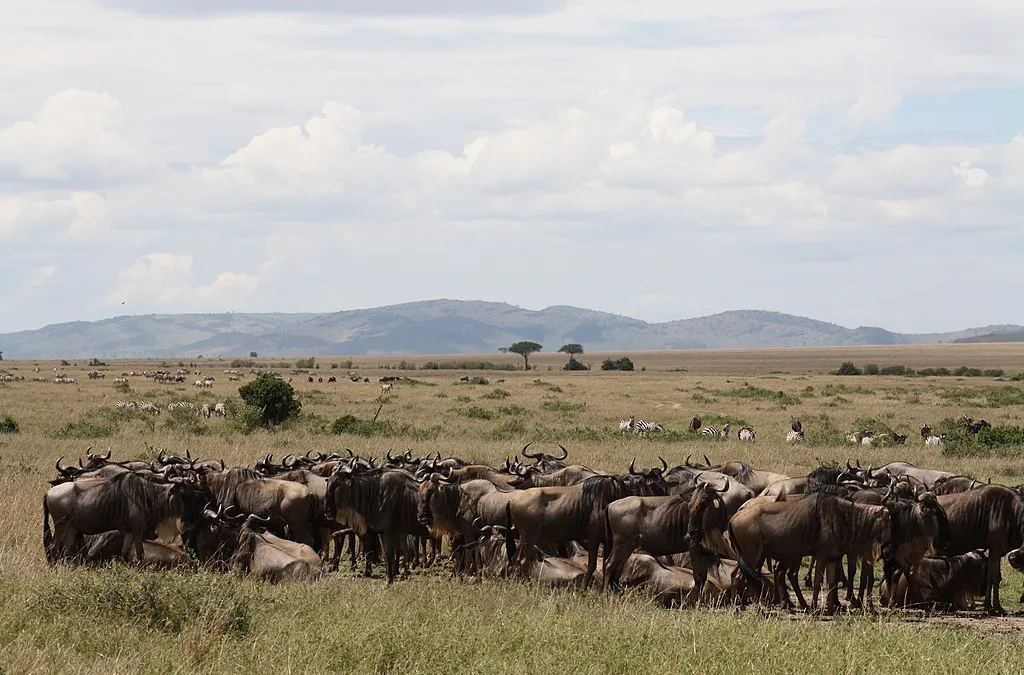
Maasai Mara is best known for the annual Great Migration, one of the most spectacular wildlife events in the world, where millions of wildebeests, zebras, and gazelles move between the Serengeti and the Mara. The reserve is also famous for its thriving populations of predators like lions, cheetahs, and leopards. Additionally, the Maasai culture contributes to the fame, with unique village visits and vibrant traditions that travelers can experience firsthand. Popular television shows have also contributed to its popularity - the most well-known show in this regard is the BBC Television show titled "Big Cat Diary" which was filmed in the Maasai Mara.
3. What is an Interesting Fact About Maasai Mara?
An interesting fact about Maasai Mara is that its name comes from the Maasai tribe and the word "Mara," which means "spotted" in the Maa language. This refers to the landscape, dotted with trees, scrub, and cloud shadows over the open savannah. The Maasai Mara was established in 1961 as a wildlife sanctuary, evolving into a National Reserve and one of Africa’s most significant conservation areas.
4. How Big is the Maasai Mara?
The Maasai Mara National Reserve covers approximately 1,510 square kilometers (583 square miles). It forms part of the larger Serengeti-Mara ecosystem, connecting with Tanzania’s Serengeti National Park to create an expansive wildlife haven. The varied landscape of plains, hills, and riverine forests provides a rich environment for the region’s iconic wildlife and plant species.
5. Where is the Maasai Mara Located?
The Maasai Mara is located in Narok County, Kenya, in the southwestern part of the country, near the border with Tanzania. The reserve is about a 5-6 hour drive from Nairobi or a quick 45-minute flight from the capital. As one of Kenya’s prime safari destinations, it is easily accessible, making it a top choice for travelers seeking wildlife and cultural experiences.
6. What Are the Maasai Mara National Reserve Entrance Fees?
The entrance fees for the Maasai Mara National Reserve vary based on visitor residency and location. For accurate and up-to-date fees, including costs for international visitors, residents, and citizens, please refer to this detailed breakdown of the Maasai Mara entrance fees. The page provides comprehensive information on different zones and age-based rates for planning your trip.
7. What Wildlife Can You See in Maasai Mara?
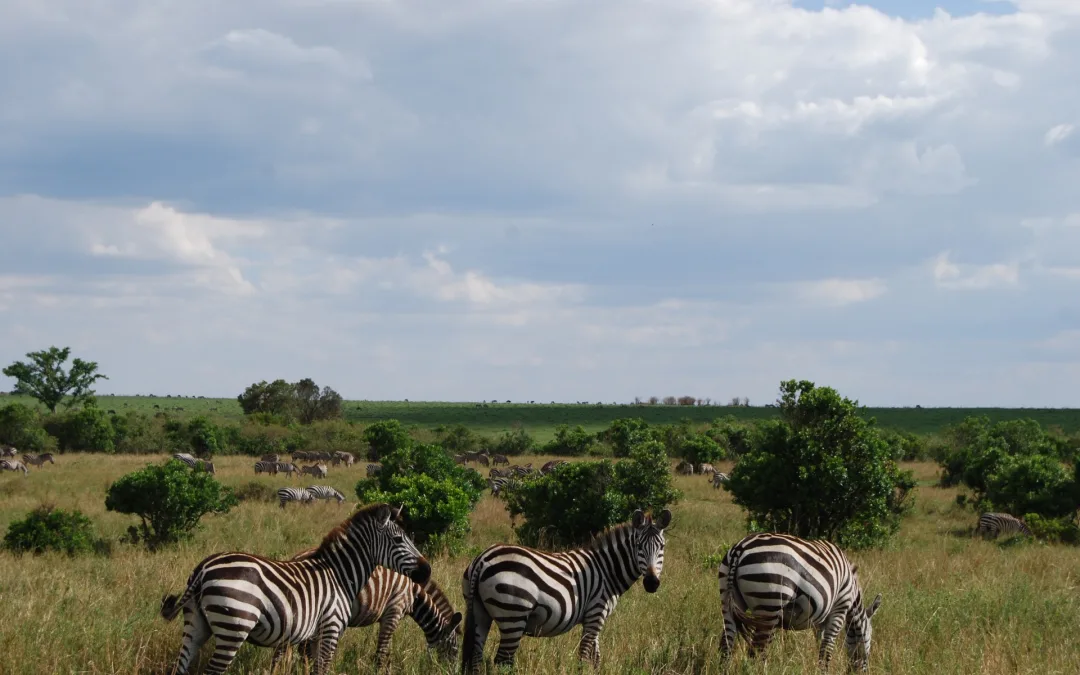
The Maasai Mara is home to a rich array of wildlife. The "Big Five" (lion, leopard, elephant, buffalo, and rhino) are the major attractions, but the reserve also hosts cheetahs, giraffes, zebras, hippos, and many more. The Mara River attracts crocodiles and hippos, while birdwatchers can spot over 450 bird species, including the lilac-breasted roller and secretary bird.
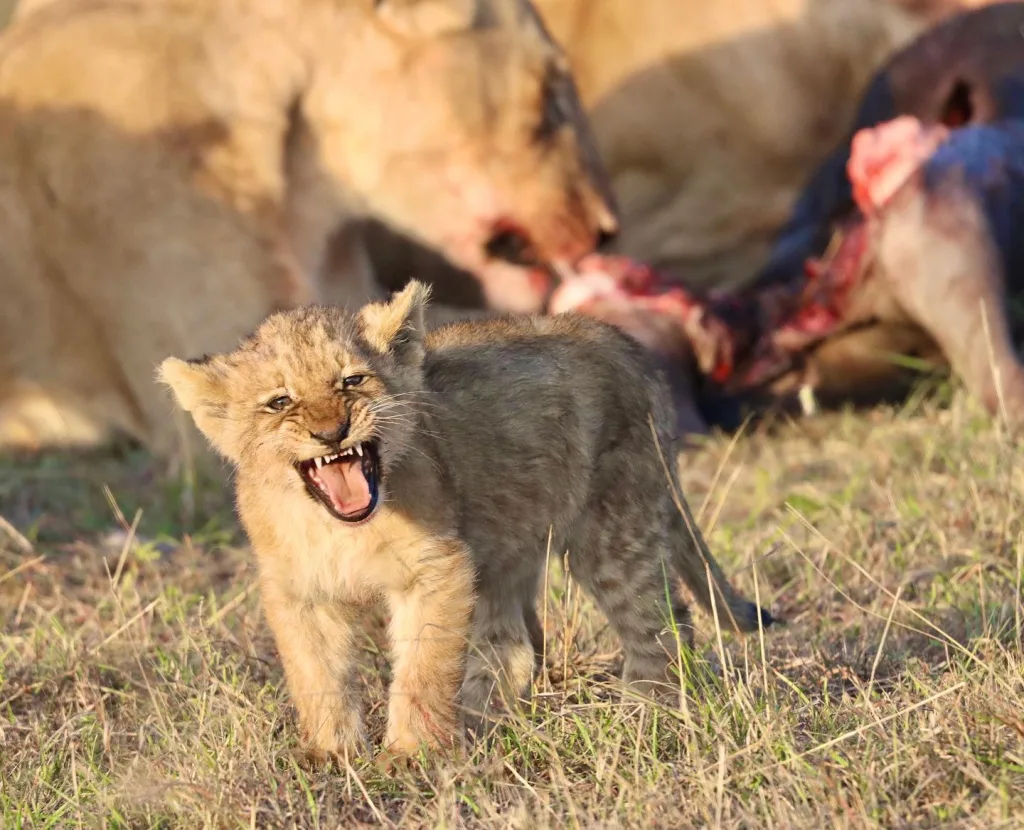
A pride of lions feeding
8. What Are the Best Times to Visit Maasai Mara?
The best times to visit depend on what you want to experience. The peak season, from July to October, coincides with the Great Migration and offers incredible wildlife viewing. However, the green season from November to June provides stunning scenery and fewer crowds. For detailed recommendations on the best times to visit Maasai Mara, consider factors like weather and wildlife activity.
9. Which Maasai Mara Packages Are Available?
There is a variety of Maasai Mara safari packages tailored to different preferences, whether you are looking for a luxury experience, a family adventure, or a budget-friendly option. Packages often include game drives, hot air balloon rides, cultural visits, and accommodations that range from high-end lodges to tented camps.
10. What Role Does the Maasai Tribe Play in the Reserve?
The Maasai tribe has a deep connection to the Maasai Mara, serving as the traditional custodians of the land. The Maasai are semi-nomadic pastoralists who have lived in harmony with the Mara’s ecosystem for generations. Cultural tours offer visitors insight into their daily life, traditions, and vibrant customs, allowing for a deeper understanding of the Maasai tribe's vital role in preserving the region.
11. Where Can You Stay in Maasai Mara?
Accommodation in Maasai Mara varies widely, from luxury lodges to tented camps and budget-friendly stays. Whether you’re looking for an exclusive lodge with panoramic views or a simple tented camp close to nature, there are options to suit every traveler’s taste and budget. Find top accommodation picks to make your stay memorable.
12. How Can You Access the Maasai Mara Map?
A Maasai Mara map is essential for understanding the reserve's layout, including its game drive circuits, accommodations, and entry points. Maps are often provided by lodges, tour operators, or online resources to help travelers navigate and plan their safari effectively. Having a detailed map helps you locate key attractions, such as the Mara River, where you can witness the Great Migration. Unfortunately, Google Maps and other similar digital maps do not carry detailed information and will often lead you on the wrong trail or provide misleading information concerning road motorability, flooding, and other detailed issues.
Ready to explore the beauty and culture of Maasai Mara? Make the most of your adventure by booking a 3-day luxury tented camp safari and experience the best of this iconic safari destination.
The Maasai Mara is one of Africa’s most iconic safari destinations, attracting travelers seeking unforgettable wildlife encounters, scenic landscapes, and rich cultural experiences. From witnessing the world's greatest wildlife migration to engaging with the Maasai tribe, there are endless reasons to visit Maasai Mara. Below, we reveal why this renowned reserve is a must-see destination for any adventurer.
1. The Great Migration – A Natural Phenomenon
One of the main reasons to visit Maasai Mara is the annual Great Migration, which is considered one of the world's natural wonders. Between July and October, millions of wildebeests, zebras, and gazelles traverse the plains of the Maasai Mara from Tanzania’s Serengeti in search of greener pastures. This migration is not just a spectacle of animal movement; it's a dramatic display of survival as predators like lions, cheetahs, and crocodiles follow the herds, providing unparalleled wildlife-viewing opportunities. It's an unforgettable highlight of any Maasai Mara trip.
2. Maasai Mara’s Abundant Wildlife – A Safari Haven
Maasai Mara is one of the best places to experience Africa's iconic wildlife. From the famed "Big Five"—lions, leopards, rhinos, elephants, and buffalos—to an array of other species like cheetahs, giraffes, and hippos, the Maasai Mara National Reserve is brimming with biodiversity. Game drives across the open savannah offer thrilling opportunities to see these majestic animals up close. Whether it’s spotting a pride of lions hunting or elephants wandering the plains, a Maasai Mara safari provides a wildlife experience like no other.
3. Maasai Culture – Experience Living Traditions
A Maasai cultural experience is one of the most compelling reasons to visit Maasai Mara. The Maasai people are renowned for their rich traditions, including warrior customs, traditional songs and dances, and colorful attire. A visit to a Maasai village offers the chance to engage directly with the community, learning about their way of life, beadwork craftsmanship, and ceremonies. Through authentic encounters, travelers gain a deeper understanding of Maasai heritage and their connection to the land and wildlife of the Mara.
4. Hot Air Balloon Safaris – A Bird’s Eye View
For a unique perspective of the Maasai Mara, a hot air balloon safari is a must-do. At sunrise, these balloons glide over the savannah, offering panoramic views of the plains, rivers, and wildlife below. The tranquil silence from above provides an unmatched opportunity to appreciate the Mara's beauty, capturing sightings of roaming herds, wandering elephants, and even predators on the move. A balloon safari is an unforgettable experience that adds a touch of adventure and luxury to your Maasai Mara trip.
5. Luxury and Comfort – Accommodation in the Wild
The Maasai Mara offers a range of accommodation options, from luxury tented camps to eco-lodges, each providing a unique and comfortable experience surrounded by the beauty of the savannah. Staying at a well-appointed camp or lodge allows you to enjoy the best of both worlds: a comfortable retreat after a day of exploration and close proximity to wildlife and scenery. Explore the top picks for Maasai Mara accommodations to find the ideal place for your safari adventure.
6. Affordability – Different Maasai Mara Packages for Every Budget
One of the reasons to visit Maasai Mara is the variety of safari packages available, catering to different budgets and preferences. Whether you're looking for a budget-friendly group tour or a luxury private safari, there are affordable Maasai Mara packages to suit every type of traveler. Packages often include accommodation, guided game drives, and cultural activities, allowing you to explore the Maasai Mara with ease and at a reasonable cost.
7. Ideal Weather for Year-Round Travel
Maasai Mara’s climate makes it a year-round destination for travelers. The best times to visit depend on what you want to see; the Great Migration peaks from July to October, while the green season from November to June offers fewer crowds and stunning landscapes. Game drives are excellent throughout the year. For detailed insights on the best times to visit the Maasai Mara, consider factors like weather and wildlife activity to plan your trip accordingly.
8. A Photographer’s Paradise – Capture the Beauty of the Mara
Maasai Mara is a dream destination for photography enthusiasts. Its vast landscapes, vibrant wildlife, and stunning sunrises and sunsets provide endless photo opportunities. Whether capturing the action of a predator hunt, the iconic silhouette of an acacia tree, or the intricate beadwork of Maasai jewelry, the Mara offers a rich tapestry for every type of photographer. Don't miss the chance to snap those once-in-a-lifetime moments during your Maasai Mara safari.
Lionesses hunting a Bohor Reedbuck
Your Maasai Mara Adventure Awaits
With its incredible wildlife, cultural richness, and scenic beauty, Maasai Mara is truly a destination like no other. Whether you are captivated by the Great Migration, eager to engage with the Maasai culture, or simply looking to unwind in luxury amid the wild, the Mara promises unforgettable experiences. Make the most of your journey by exploring the 3-day luxury tented camp safari, and start planning your adventure to this world-renowned reserve today.







Recent Comments