Immersing yourself in the Maasai culture offers a glimpse into one of the richest and most unique traditions in Africa. A Maasai village visit within the Maasai Mara National Reserve brings you face-to-face with the daily lives, customs, and heritage of the Maasai people. From their warrior spirit to their close bond with nature and livestock, understanding Maasai culture means stepping into a world where ancient traditions blend seamlessly with the present. In this guide, we delve into the best Maasai cultural experiences, unraveling what makes a Maasai village visit so enriching, what to expect during your stay, and how to make the most of your Maasai cultural journey.
Who are the Maasai? Understanding the Culture Behind the Experience
The Maasai are a semi-nomadic tribe known for their warrior traditions, vibrant attire, and strong connection to their environment. Originating from the Nile Valley, the Maasai settled across parts of Kenya and Tanzania, with many residing in and around the Maasai Mara National Reserve.
Lifestyle and Traditions
Cattle lie at the heart of Maasai culture, serving as their primary source of food, wealth, and social status. They rely on livestock for milk, meat, and sometimes even blood, reflecting a pastoral lifestyle that has shaped their traditions for centuries. Every aspect of their daily life, from rituals to ceremonies, is intertwined with cattle, demonstrating a deep-rooted relationship with nature.
Distinctive Attire and Beadwork
Maasai clothing is iconic—bright red shukas (robes), beaded jewelry, and intricate accessories mark their distinctive style. Each color and pattern holds meaning, often representing status, bravery, or a rite of passage. Women craft elaborate beadwork that adorns their attire, and these accessories are not just ornamental; they symbolize identity, marital status, and Maasai heritage.
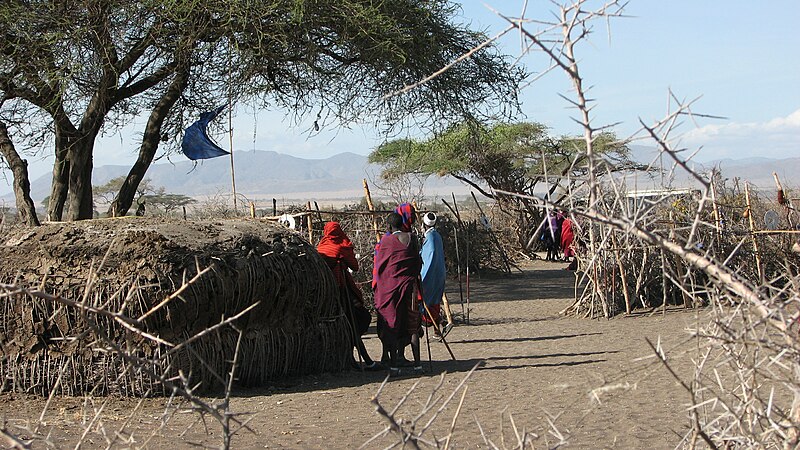
Kajiado, Kenya 2010
Maasai Bomas: The Villages
A Maasai village, or "boma," consists of mud-and-stick huts arranged in a circular pattern to safeguard livestock. Villages are usually led by an elder and have several families living together, working collectively to maintain their customs and way of life. Visiting a Maasai boma is a journey into a close-knit, community-driven world where tradition is alive.
Maasai Village Visit: A Window into Traditional Life
A Maasai village visit is one of the best Maasai cultural experiences, offering travelers a chance to explore daily life, customs, and the strong community spirit that defines the Maasai people. Stepping into a village allows you to interact with Maasai men, women, and children as they share their stories, skills, and way of life.
What to Expect During a Village Visit
Your Maasai cultural experience typically begins with a traditional welcome of song and dance, where the villagers perform their energetic chants and the well-known "adumu" or jumping dance. This dance, usually performed by warriors, demonstrates strength and endurance. Visitors are often invited to participate, making it an engaging and memorable start to your village tour.
After the welcome, a Maasai guide will lead you through the boma, introducing you to different aspects of Maasai culture, including their homes, traditions, and daily routines. You may observe activities like fire-making, milking cattle, and craft-making. The Maasai women often display their vibrant beadwork, including necklaces, bracelets, and earrings, which are available for purchase.
Learning the Maasai Way of Life
During your Maasai village visit, you’ll hear about their social structure, rituals, and rites of passage. Elders share stories about the warrior lifestyle, coming-of-age ceremonies, and how they navigate life as semi-nomadic herders. Engaging with the Maasai offers insights into their strong ties to the land, livestock, and communal values.
Maasai Village Visit Cost and Contribution
The cost of visiting a Maasai village can vary depending on the location and the extent of the experience. However, the fee typically supports the local community by funding education, healthcare, and conservation efforts. Visitors are encouraged to buy souvenirs, which provide additional financial support to the artisans.
An Immersive Maasai Cultural Experience: Beyond the Village Visit
For those who wish to go beyond a brief Maasai village visit, immersive cultural tours provide a more profound experience. These tours offer in-depth exposure to the Maasai way of life through extended stays, traditional ceremonies, and guided nature walks. Engaging closely with the Maasai allows for a more meaningful understanding of their connection to the land, spiritual beliefs, and customs.
Staying in a Maasai Village
Some tours offer the unique opportunity to stay in a Maasai village overnight. This extended stay allows you to observe daily routines more closely, from morning chores to evening gatherings. By living among the Maasai, you can better appreciate their semi-nomadic lifestyle and learn hands-on skills like fire-making, cattle herding, and traditional cooking. These experiences offer a genuine look into their lives, fostering a stronger bond and understanding between visitors and the community.
Participating in Ceremonies and Rituals
Cultural ceremonies are integral to the Maasai way of life, marking significant events like births, marriages, and rites of passage. If you time your visit right, you may have the chance to witness or participate in traditional rituals, such as "Eunoto," a coming-of-age ceremony for young men transitioning into warriors. These ceremonies are vibrant displays of Maasai customs and offer deeper insight into their spiritual beliefs, roles within the community, and the significance of their rites of passage.
Nature Walks with Maasai Guides
Walking safaris led by Maasai guides are another unique way to experience Maasai culture. The Maasai have an unparalleled knowledge of the landscape, plants, and wildlife of the Maasai Mara, accumulated over generations. During nature walks, guides share insights into animal tracking, the medicinal uses of local plants, and the Maasai's symbiotic relationship with the natural world. These walks provide a different perspective on the savannah and allow visitors to see the environment through the eyes of the Maasai.
The Best Maasai Cultural Experiences for a Deeper Connection
The Maasai Mara region offers a variety of cultural activities, each providing a unique window into the Maasai people's heritage. Here are some of the best Maasai cultural experiences that travelers should consider for a comprehensive understanding of Maasai life and customs:
1. Maasai Warrior Training Experience
Experience a day in the life of a Maasai warrior by learning traditional skills like spear-throwing, stick-fighting, and survival techniques. This immersive experience teaches visitors about the Maasai’s traditional way of life as defenders of the community, learning both the skills and the ethos that warriors uphold.
2. Beadwork Crafting Workshops with Maasai Women
Engage in a beadwork session with Maasai women, known for their intricate and colorful beadwork that is symbolic of the tribe's culture. Visitors can learn the stories behind the designs and create their own pieces of jewelry, gaining hands-on appreciation for the craft and its cultural significance.
3. Maasai Song and Dance Performances
Attend or participate in Maasai song and dance ceremonies that are vibrant and energetic, often revolving around themes of joy, celebration, and community. The "adumu," or jumping dance, is a crowd favorite, and being a part of these performances offers a direct connection to the Maasai's expressive cultural traditions.
4. Spiritual Ceremonies and Storytelling Sessions
Maasai elders are known for their storytelling, which often includes tales of ancestry, morality, and the tribe’s spiritual beliefs. Spending time with elders for storytelling sessions or spiritual ceremonies offers a chance to delve into the Maasai’s beliefs, their connection to nature, and how they view their place in the world.
Sustainable Tourism and the Maasai: Supporting Conservation and Community
Tourism in the Maasai Mara, particularly through cultural experiences, plays a significant role in supporting the Maasai people and conservation efforts. Engaging in sustainable tourism practices ensures that your Maasai village visit and cultural experiences positively impact the local communities and the environment.
Empowering the Communitythrough Maasai Cultural Experiences
A portion of the fees from Maasai cultural experiences, such as village visits and extended stays, directly contribute to the welfare of the Maasai community. These funds support local education, healthcare, and conservation projects, empowering Maasai families to preserve their heritage while adapting to the modern world.
Buying traditional Maasai crafts, like beaded jewelry or handmade clothing, also provides a sustainable income for Maasai women artisans, supporting their livelihoods and encouraging the continuation of their craft-making traditions.
Promoting Conservation in the Maasai Mara
Sustainable tourism also helps conserve the Maasai Mara's diverse ecosystem, supporting wildlife and habitat protection. Many Maasai cultural experiences include nature walks or safaris led by Maasai guides, who not only share their culture but also promote environmental conservation. Through these guided walks and safaris, visitors gain an understanding of how the Maasai people sustainably coexist with wildlife and how important it is to protect the delicate balance of the savannah.
Visitors are encouraged to choose tours and Maasai cultural experiences that practice responsible tourism, ensuring a respectful interaction with Maasai traditions and minimizing any negative impact on the environment.
Tips for Making the Most of Your Maasai Cultural Experience
To ensure that your Maasai village visit and cultural activities are both respectful and enriching, consider these practical tips:
1. Approach Maasai Cultural Experience with Respect and an Open Mind
When visiting a Maasai village, show respect for their customs, lifestyle, and practices. Engage with the community by asking questions and participating in activities with enthusiasm and humility.
2. Dress Modestly and Comfortably
The Maasai people appreciate visitors who dress modestly. Wearing loose, comfortable clothing and sturdy shoes is advisable, especially if you're planning to take part in nature walks or warrior training activities.
3. Bring Small Gifts or Make Donations
While a Maasai village visit cost typically includes a fee that benefits the community, bringing small, practical gifts like school supplies or clothing can be a thoughtful gesture. Alternatively, making donations directly to the community or purchasing their crafts helps support their daily needs and preserves traditional practices.
4. Learn Basic Phrases in Maa
Learning a few basic phrases in Maa, the Maasai language, shows appreciation for their culture. Simple greetings or phrases like "Suva" (hello) and "Ashe Oleng" (thank you) can go a long way in fostering connections.
5. Capture Moments Respectfully
Photography is usually welcomed but always ask for permission before taking pictures of people or their homes. Some Maasai may request a small fee for photos, as this is a way to support their livelihoods.
Embark on a Maasai Cultural Experience Like No Other
Experiencing the Maasai culture is a journey into the heart of one of Africa’s most vibrant traditions. From village visits to immersive cultural activities, there are endless opportunities to connect with the Maasai people and their way of life. If you are looking to combine a Maasai cultural experience with the stunning landscape and wildlife of the Maasai Mara, consider booking a 3-day luxury tented camp safari. This trip offers the perfect blend of culture, adventure, and relaxation, making it an unforgettable part of your Kenya experience.
The Maasai Mara, also spelt as Masai Mara, is one of Africa's most iconic destinations, a stunning gem nestled in the heart of Kenya. For anyone looking to explore the best of Kenya’s wildlife and culture, a Maasai Mara safari is an unmatched experience. From thrilling game drives in the Maasai Mara National Reserve to cultural interactions with the Maasai people, there is no shortage of incredible things to do in Masai Mara.
Dive into our guide to make your Maasai Mara trip unforgettable, whether you are exploring the reserve or immersing yourself in the local traditions.
1. Maasai Mara Game Drives: The Classic Safari Experience
A Maasai Mara game drive is an essential part of any Masai Mara trip. These safaris allow you to explore the vast plains, teeming with wildlife like lions, elephants, rhinos, and cheetahs. Early morning and late afternoon drives offer the best chances to see wildlife in action, from predators on the hunt to the "Big Five" wandering freely. With knowledgeable guides leading the way, you’ll gain insights into the habits and habitats of these magnificent animals.
2. Hot Air Balloon Safari Over Maasai Mara
One of the most spectacular ways to experience the Masai Mara is from the sky. A hot air balloon safari offers breathtaking views of the sprawling savannah, the Mara River, and its diverse wildlife. At sunrise, the balloon takes flight, providing a serene and unparalleled perspective of the Maasai Mara National Reserve. Watching the animals from above as they roam freely is a truly unique experience, making this adventure one of the top things to do in Masai Mara.
3. Witness the Great Migration: Nature’s Grandest Show
The Great Migration is one of the most breathtaking natural events in the world. Each year, millions of wildebeests, zebras, and antelopes make their way through the Maasai Mara from the Serengeti in search of greener pastures. This spectacle is best seen between July and October and is a must-see during a Masai Mara safari. The sight of these animals crossing the Mara River, often evading predators like crocodiles and big cats, is an awe-inspiring highlight of any Maasai Mara trip.
4. Visit a Maasai Village: A Cultural Journey
Beyond the wildlife, the Maasai Mara is home to the Masai people, who have a rich and vibrant culture. A visit to a Maasai village, or "Manyatta," gives you the opportunity to learn about their traditional way of life, including their customs, dance, and beadwork. This cultural encounter is a unique chance to understand the traditions that have been passed down for generations and form a deep connection with the land.
5. Explore the Maasai Mara National Reserve on Foot
For those seeking a more intimate connection with the wild, guided walking safaris in the Maasai Mara National Reserve offer a closer look at the region’s flora and fauna. Led by expert guides, these walks provide insights into the smaller details often missed on game drives—animal tracks, unique plants, and even the sounds of the savannah. Walking amidst the wildlife offers an exhilarating perspective, allowing visitors to fully immerse themselves in the beauty and complexity of Masai Mara.
6. Enjoy a Maasai Mara Sundowner: A Sunset to Remember
After an exciting day of exploring, a Masai Mara sundowner is the perfect way to unwind. As the sun sets over the expansive plains, enjoy a drink while taking in the picturesque landscape painted in hues of orange and gold. The peacefulness of the savannah during sunset is an experience that adds a touch of luxury to your Kenya safari, making it a memorable and relaxing end to your day’s adventure in the Maasai Mara.
7. Birdwatching in Maasai Mara: A Birder’s Paradise
While most people associate the Masai Mara with big game, it’s also a birdwatcher’s haven. The reserve is home to over 450 bird species, including the African fish eagle, lilac-breasted roller, and secretary bird. Whether you're a seasoned bird enthusiast or a casual observer, birdwatching in the Masai Mara adds an extra layer of excitement to your safari experience. Keep your binoculars ready during game drives or walks to spot some of the region’s most vibrant and rare bird species.
8. Experience a Night Game Drive in Masai Mara
While most game drives occur during the day, a night safari provides a completely different perspective. The Maasai Mara at night reveals a world rarely seen, as nocturnal animals like leopards, hyenas, and bush babies become active. Guided by spotlights, a night drive enhances the thrill of your Masai Mara trip and gives you a unique glimpse into the region's nightlife, making it a memorable addition to any Maasai Mara safari package.
9. Capture Stunning Photography of Maasai Mara’s Wildlife and Landscapes
The Maasai Mara is a paradise for photography enthusiasts, offering a canvas of breathtaking landscapes and wildlife moments. From capturing the majestic Big Five to panoramic shots of the endless savannah, every corner of the Masai Mara National Park offers opportunities for memorable shots. Early morning light or golden hour sunsets are perfect times to capture the magic of this place. A Masai Mara trip is incomplete without taking home photos that capture the essence of the Kenya safari experience.
10. Relax in Luxury Maasai Mara Accommodation
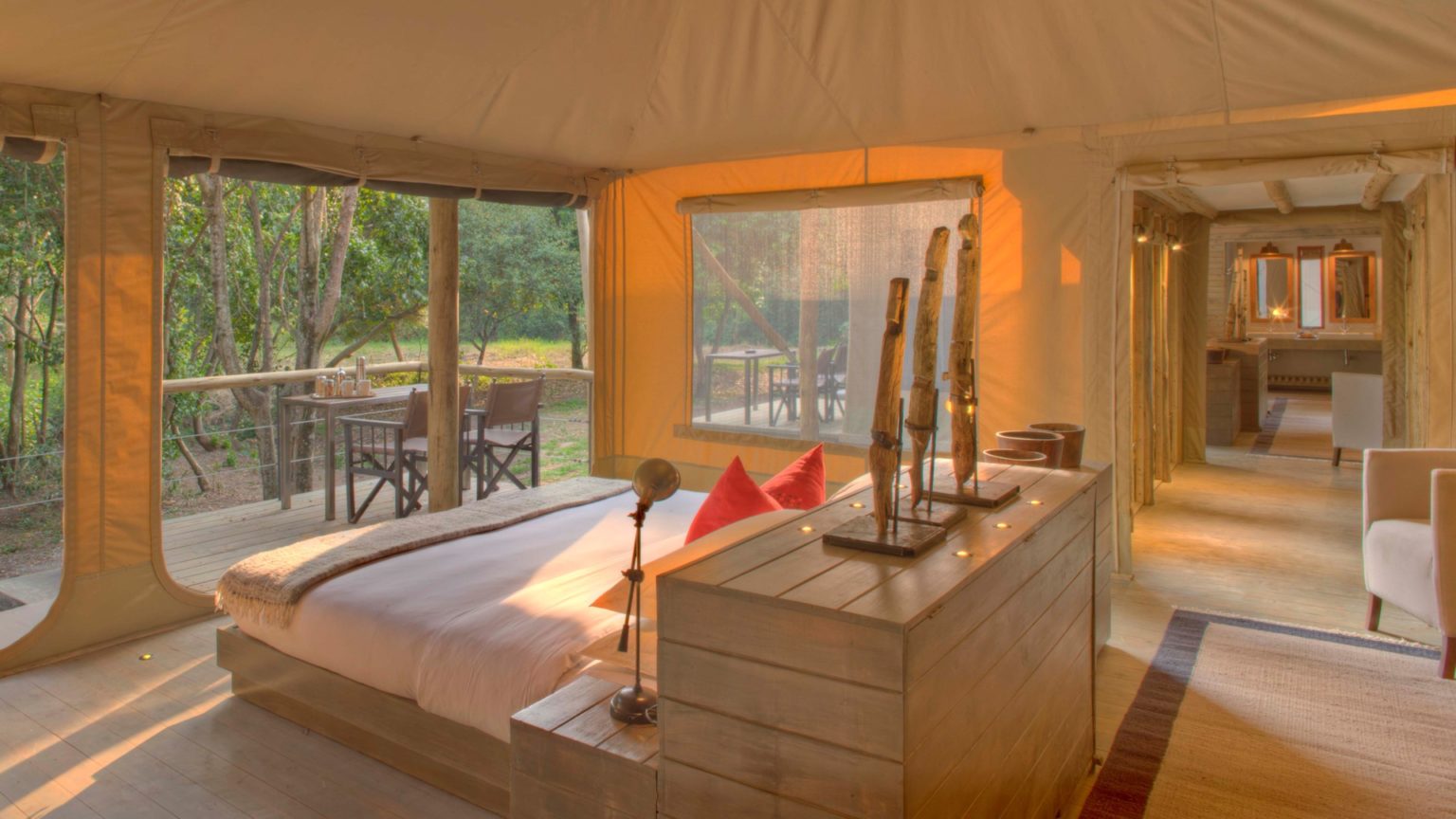
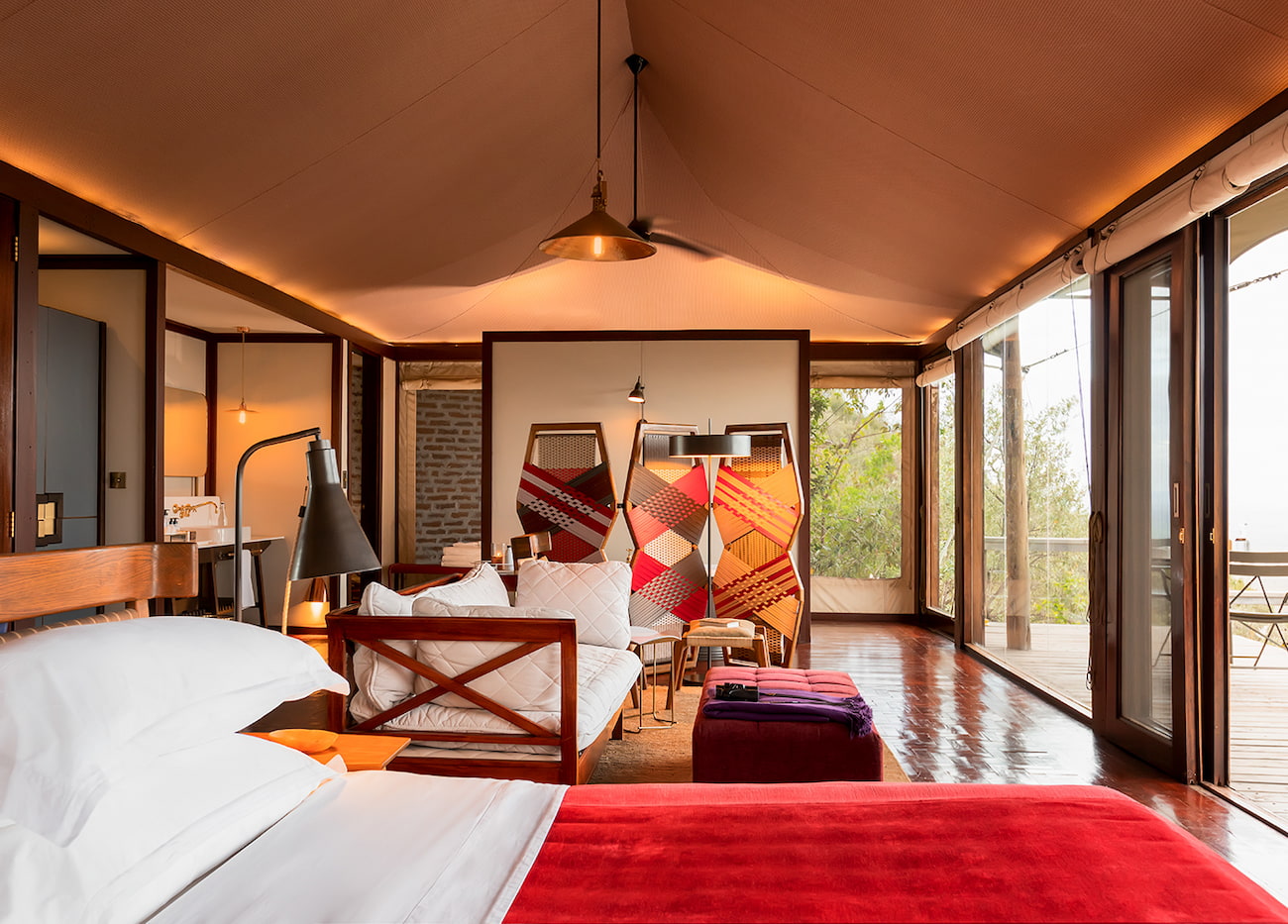
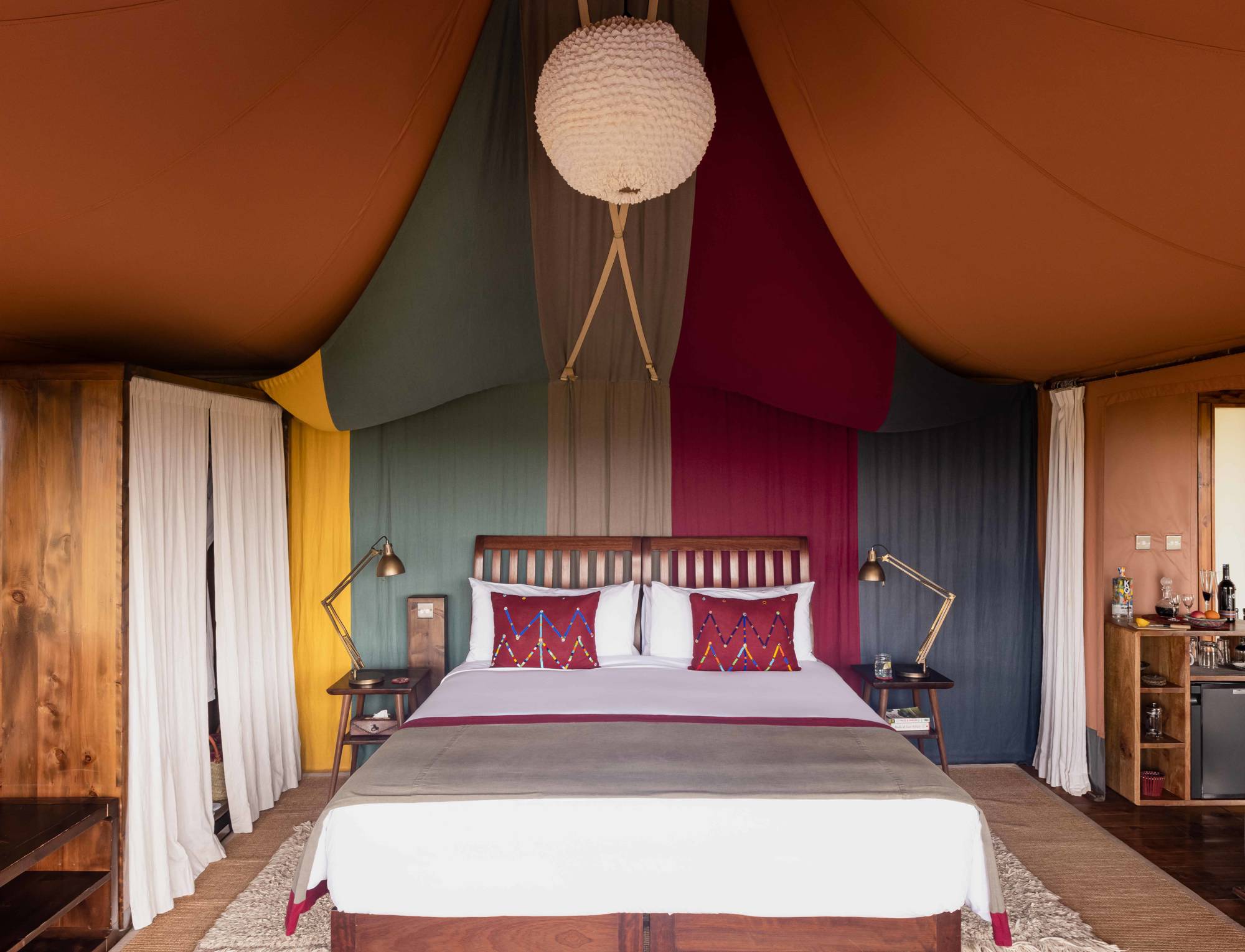
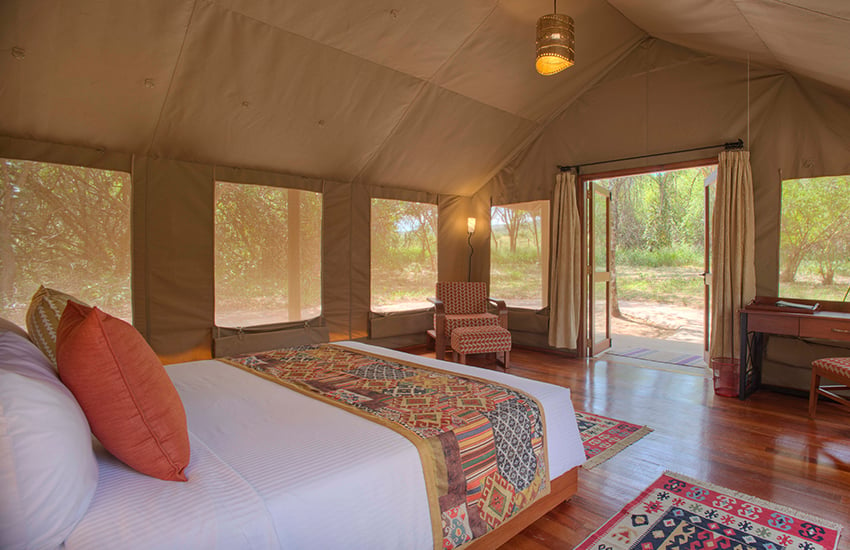
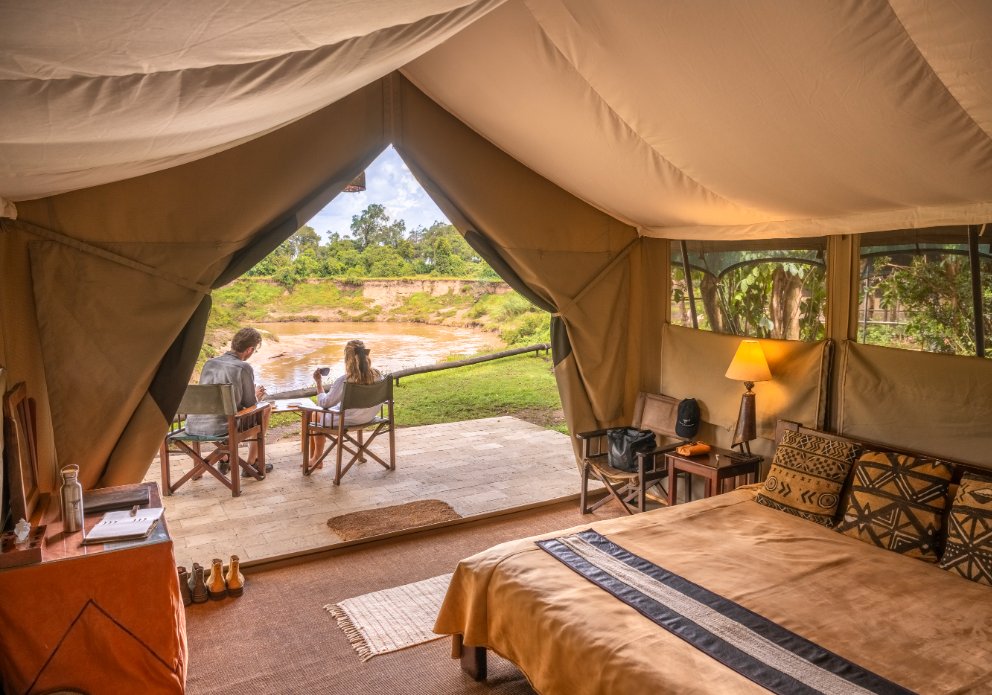
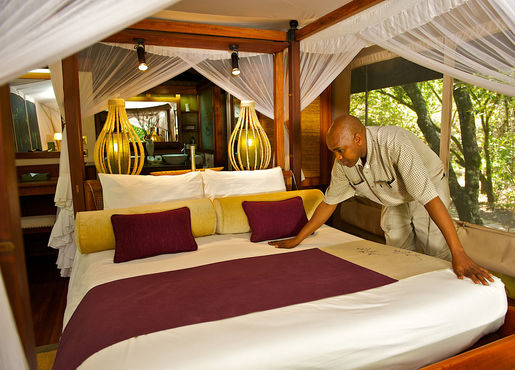
After thrilling days of exploration, the Masai Mara offers a range of luxurious accommodations to suit all preferences. From tented camps that immerse you in nature to high-end lodges with breathtaking views, there's an option for every traveler. Staying in a luxury tented camp allows you to experience the best of both comfort and adventure. Explore our recommended Maasai Mara accommodations to find the perfect place to unwind during your safari Kenya adventure.
11. Explore the Maasai Mara Conservancies: A More Intimate Safari
Adjacent to the Masai Mara National Reserve are private conservancies, offering a more exclusive and intimate safari experience. These conservancies have fewer visitors, allowing for a more peaceful wildlife viewing while supporting local Maasai communities. Activities such as guided walks, horseback safaris, and off-road game drives are common here, enhancing your connection with the environment. Visiting the conservancies provides a unique way to explore Masai Mara and complements the experience within the main reserve.
12. Discover the Mara River: Wildlife and Scenic Beauty
The Mara River is the lifeblood of the Masai Mara, attracting a variety of wildlife, including hippos, crocodiles, and elephants. During the Great Migration, the river becomes the focal point as herds of wildebeests and zebras attempt daring crossings. Exploring the banks of the Mara River is one of the top things to do in Kenya, offering a stunning mix of wildlife encounters and scenic beauty that showcases the essence of a Maasai Mara safari.
13. Helicopter Flights Over Maasai Mara: A Sky-High Safari Experience
One of the most exhilarating ways to explore Maasai Mara is through a scenic helicopter flight. These helicopter safaris provide an unparalleled view of the stunning landscape and wildlife, allowing travelers to experience the Maasai Mara from a bird's-eye perspective. A helicopter safari in Maasai Mara takes you over expansive savannahs, the Mara River, and even beyond, offering the chance to see hidden gems inaccessible by road.
Flight Options & Destinations Helicopter flights in Maasai Mara range from a 1-hour scenic trip over the reserve to a full-day adventure exploring various parts of Kenya. During these excursions, you can fly to different scenic destinations:
Aerial views of the Great Migration as wildebeests and zebras traverse the plains below.
A stopover at Loita Forest to visit prehistoric rock-carving caves.
A flight to Lake Magadi to witness its flamingo-filled waters.
A day trip to Lake Victoria, Africa’s largest lake, offering a serene and scenic experience
Highlights of the Experience Flying over the Maasai Mara provides breathtaking views of the landscape and wildlife, including elephants, lions, and hippos. Additionally, the helicopter allows flexibility in routing, providing opportunities to access remote spots, like the Nguruman Escarpment and Suswa Crater, not easily reached by ground safaris. These flights can be customized to include stops for refreshments and photo opportunities, making it a truly luxurious and exclusive experience
For an unforgettable Maasai Mara trip, consider adding a helicopter safari to enjoy panoramic views and create lifelong memories from the skies.
14. Conduct Wildlife Research: Get Hands-On with Conservation Efforts in Maasai Mara
For travelers passionate about conservation, conducting wildlife research in Maasai Mara offers a hands-on opportunity to contribute to the protection and understanding of the region's iconic species. The Maasai Mara is home to numerous endangered and significant animals such as leopards, hyenas, cheetahs, rhinos, and pangolins, making it an important destination for wildlife conservation research. By joining conservation programs, you can help track, monitor, and study these species in their natural habitats, gaining valuable insights into their behaviors, population dynamics, and the challenges they face.
Activities During a Research Safari Your time as a research volunteer might involve tracking and collecting data on specific animals using GPS collars, observing interactions between predators and prey, and assisting with conservation strategies designed to mitigate human-wildlife conflicts. These experiences offer an in-depth look at how conservation efforts are conducted on the ground and provide a deeper connection to the local environment.
Key Conservation Organizations in Maasai Mara
Mara Predator Conservation Programme (MPCP): This initiative focuses on preserving large carnivores, especially lions, cheetahs, and hyenas. It aims to reduce human-wildlife conflict and enhance predator conservation through research, monitoring, and community outreach.
Maasai Mara Wildlife Conservancies Association (MMWCA): MMWCA works to secure the Greater Maasai Mara ecosystem through sustainable practices that support biodiversity, local communities, and tourism efforts.
Mara Elephant Project (MEP): MEP is dedicated to the protection of elephants through anti-poaching efforts, collaring, and monitoring to prevent human-elephant conflict in the region.
Basecamp Explorer Foundation: This organization supports various conservation efforts, such as the Mara Naboisho Lion Project and habitat restoration initiatives through tree planting.
African Wildlife Foundation (AWF): AWF is involved in land-leasing agreements to extend protected areas and supports anti-poaching patrols and educational programs for conservation-related fields.
By collaborating with these organizations, travelers can contribute to significant efforts that aim to protect and preserve the Maasai Mara's unique biodiversity. Engaging in wildlife research provides educational experiences and plays a crucial role in the ongoing conservation of Kenya’s rich natural heritage.
Choose the Best Masai Mara Safari Packages for an Unforgettable Trip
When planning your adventure, it's important to select the right Masai Mara safari package. From short weekend getaways to longer expeditions, packages can be customized to fit any schedule and interest. For an immersive experience, consider the 3-day luxury tented camp safari, which combines game drives, wildlife viewing, and comfortable accommodations.
When planning a Masai Mara safari, choosing the right accommodation is crucial. Whether you’re looking for a luxurious retreat, a mid-range lodge, or a budget-friendly camp, the Masai Mara offers a diverse range of options to suit every traveler. This guide covers 26 of the best maasai mara accommodation options, complete with links to their websites for easy booking.
Luxury Lodges | Maasai Mara Accommodation
Lalashe Ripoi Camp
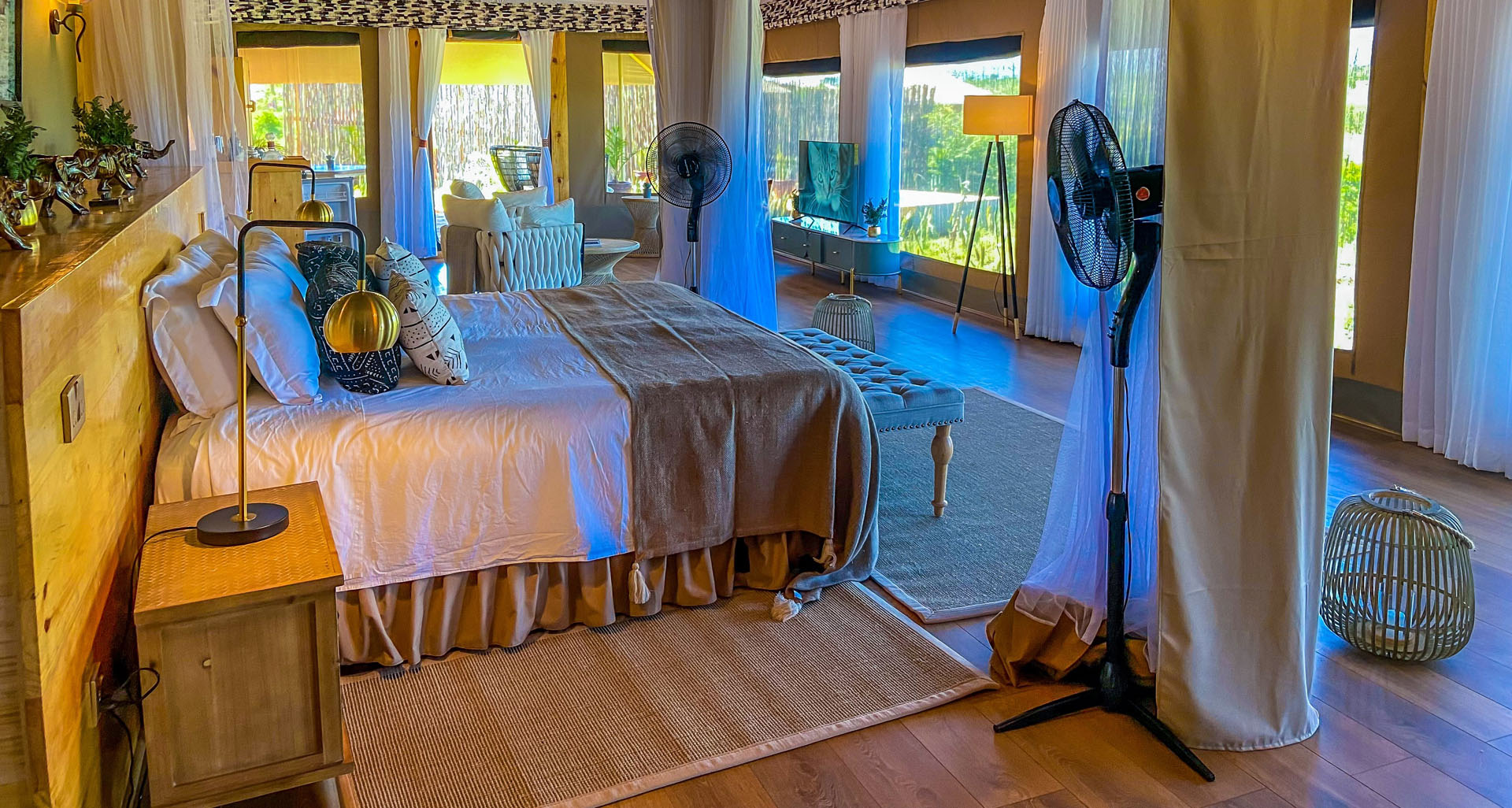
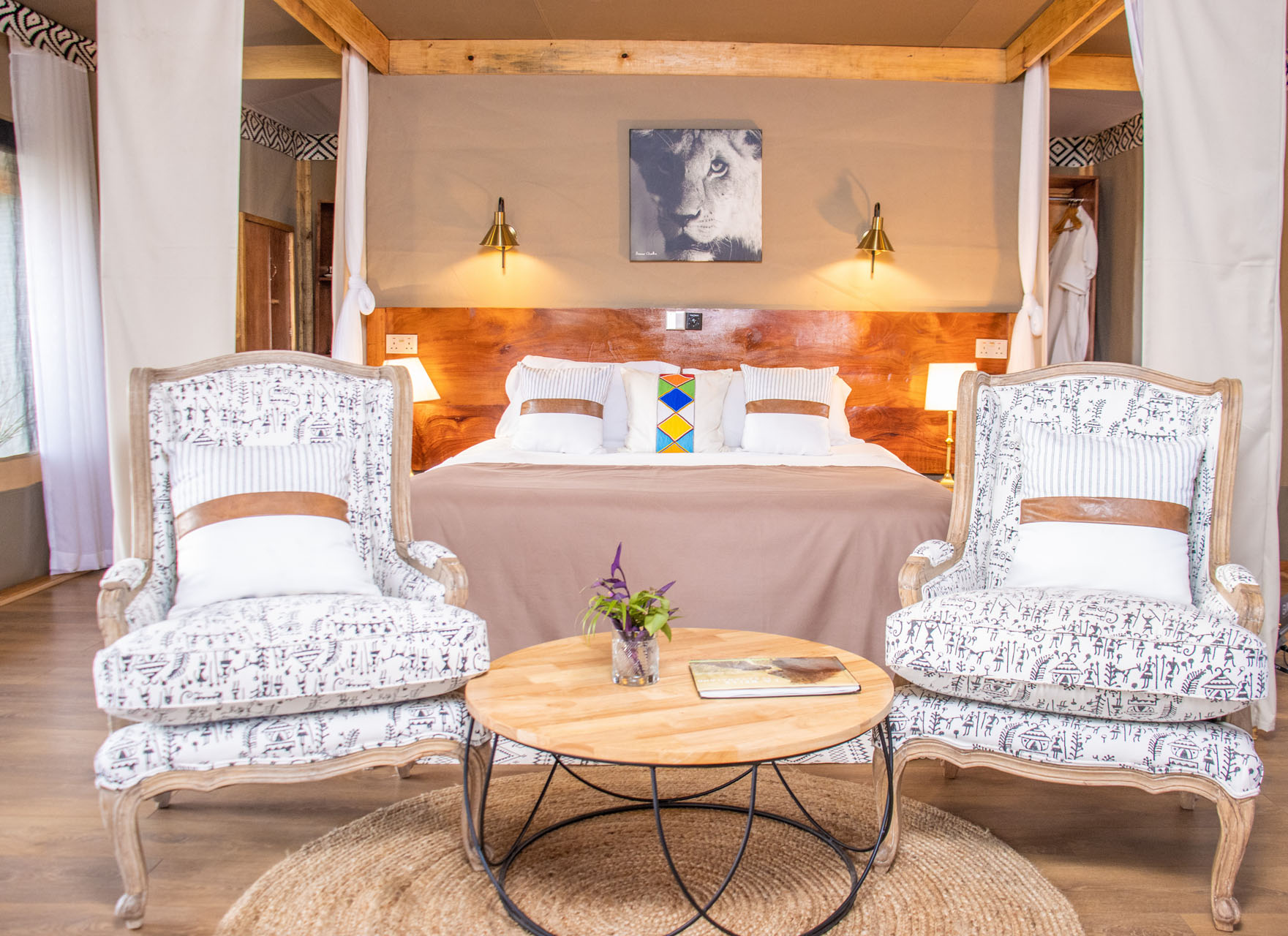
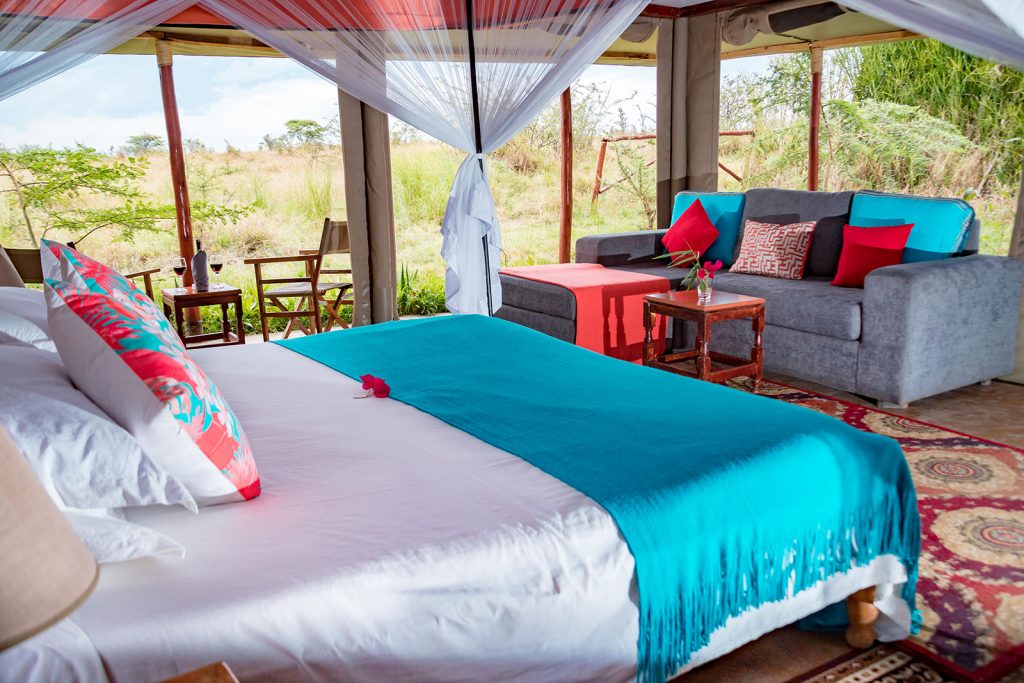
Lalashe Ripoi Camp is a luxury tented camp offering guests a combination of adventure and comfort in the heart of the Masai Mara. Each tent is elegantly furnished, offering modern amenities while maintaining a close connection to nature. The camp provides personalized service, ensuring a memorable safari experience for every visitor. It’s an ideal choice for those seeking exclusive game viewing, as the camp is situated near key wildlife spots.
Lalashe Mara Camp
Lalashe Mara Camp is a small, intimate luxury tented camp located on the Siana Conservancy at the edge of the Maasai Mara. The camp consists of just five spacious tented suites, each offering exceptional privacy and stunning views of the open Mara plains. Guests frequently spot wildlife like zebras, giraffes, elephants, and wildebeests from the comfort of their tents, often referred to as "armchair safaris."
Each tent at Lalashe Mara Camp is designed for maximum comfort, featuring private plunge pools, indoor and outdoor showers, and a fully stocked safari bar. The camp also offers personalized service, with each booking assigned a private guide and exclusive use of a safari vehicle for game drives. Activities range from game drives and walking safaris to cultural visits and bush dinners.
Zebra River Camp
Zebra River Camp is a luxury boutique tented safari camp situated along the banks of the Talek River in the Maasai Mara. Known for its serene riverside location, the camp provides guests with excellent views of the Mara plains and is frequented by wildlife such as hippos, crocodiles, zebras, and giraffes. The camp features 15 river-facing tents and 1 family tent, each designed for comfort and privacy.
Guests enjoy modern amenities, including en-suite bathrooms with hot and cold showers, a private veranda with stunning views, and access to the main lounge area with a fully stocked bar. Activities offered include guided game drives, walking safaris, and cultural visits, making it a perfect blend of adventure and luxury.
Zebra Plains Mara Luxury Tented Camp
Zebra Plains Mara Camp is a luxury tented camp nestled in the heart of the Maasai Mara. Set below the Oldonyo Loip Ridge, the camp offers stunning views of the open plains, frequented by wildlife like giraffes, zebras, impalas, and buffalos. It is located near Talek Gate, making it convenient for guests exploring the Mara.
The camp features 30 double rooms and 2 family rooms, each with en-suite bathrooms, verandas, and amenities like hot showers and twin basins. The camp’s main area includes indoor and outdoor lounges, a well-stocked bar, and sunbeds. Guests can enjoy game drives, walking safaris, hot air balloon rides, and Maasai cultural visits. Meals are served in a variety of setups, including dining under the stars.
Sala's Camp
Sala's Camp is a luxury tented safari camp located at the southern edge of the Maasai Mara, close to the Tanzanian border and the Serengeti. The camp offers seven luxurious tents, each with private plunge pools and glass-fronted designs that blend traditional "under canvas" safari experiences with modern comforts. Its prime location on the Sand River makes it one of the first camps to witness the annual Great Migration, offering an exceptional wildlife viewing experience from June to September.
The camp is known for its intimate atmosphere, personalized service, and stunning wilderness views. Guests can enjoy activities such as game drives, bush breakfasts, and sundowners by the river, making it a perfect retreat for those seeking a serene safari experience.
Kichwa Tembo Tented Camp
Kichwa Tembo Tented Camp is a luxury tented camp located in a private concession on the western border of the Maasai Mara, offering sweeping views of the plains and prime wildlife viewing. The camp is situated near the Oloololo Escarpment, with direct access to the path of the Great Migration. Kichwa Tembo provides a tranquil, exclusive experience with fewer visitors, as it is set away from the more crowded areas of the Mara.
The camp features 40 tented accommodations, including 12 Classic tents, 20 Superior tents, and 8 Superior View tents, each offering en-suite facilities and comfortable verandas. Families can enjoy one of the three interconnected Family Tents. On-site amenities include a rim-flow swimming pool with views over the Mara, a vegetable garden providing fresh produce for meals, and a safari shop. Activities include day and night game drives, bush walks, hot air ballooning, and cultural visits to local Maasai communities.
Naibor Camp
Naibor Camp is a luxurious tented camp located along the Talek River, in the heart of the Maasai Mara. The camp is designed to offer a peaceful escape, surrounded by lush riverine woodland and just a short distance from the wildebeest migration crossing points. Naibor's seven spacious tents are elegantly furnished with king-sized beds, en-suite bathrooms, and private verandas. Guests can also enjoy meals and relax at the sociable mess tent, which overlooks a pod of resident hippos in the Talek River.
The camp offers a range of activities, including game drives, bush walks, sundowners, and cultural visits to nearby Maasai villages. Hot air balloon safaris over the Mara are also available for an unforgettable bird’s-eye view of the landscape.
Angama Mara
Angama Mara is a luxury tented camp that sits perched high above the Maasai Mara on the edge of the Great Rift Valley, offering breathtaking views of the Mara Triangle. The camp has 15 luxurious tented suites with floor-to-ceiling windows that provide unparalleled vistas of the savanna below. Each suite is designed with elegant simplicity, featuring private decks and modern amenities.
Angama Mara’s prime location allows guests easy access to year-round wildlife viewing, including the Great Migration. Guests can indulge in a range of activities, from hot-air balloon safaris to game drives and walking safaris led by Maasai guides. A highlight is a picnic on the site where the movie "Out of Africa" was filmed. The camp also boasts an on-site garden-to-table restaurant, a swimming pool, and a fitness center.
Mahali Mzuri
Mahali Mzuri, owned by Sir Richard Branson, is a luxurious tented camp located in the Olare Motorogi Conservancy, part of the greater Maasai Mara ecosystem. The camp features 12 high-end tented suites, each offering panoramic views of the plains. With a focus on combining modern luxury and authentic safari experiences, Mahali Mzuri is positioned perfectly to observe the Great Migration and the year-round wildlife that traverses the conservancy.
Each tent includes a private deck, an en-suite bathroom, and access to an infinity pool overlooking the Mara. Guests at Mahali Mzuri enjoy twice-daily game drives, walking safaris with Maasai guides, and opportunities for cultural visits to local Maasai communities. The camp also offers a rejuvenating spa, dining under the stars, and other personalized touches to create an unforgettable safari experience.
Mara Plains Camp
Mara Plains Camp is a luxury tented camp located in the private Olare Motorogi Conservancy, adjacent to the Maasai Mara. The camp provides a unique and intimate safari experience with just seven spacious tented suites. Each suite is designed with East African influences, featuring marquis ceilings, en-suite bathrooms, copper tubs, and expansive views of the savanna from private decks. Additionally, guests are provided with professional camera equipment to capture wildlife encounters, including big cats which frequent the area.
Mara Plains Camp offers personalized game drives, walking safaris, and cultural visits to Maasai villages. The camp's exclusivity allows for a tranquil experience with minimal vehicle traffic and abundant wildlife sightings. Guests can also enjoy bush breakfasts, sundowners, and relaxing spa treatments during their stay.
JW Marriott Masai Mara Lodge
The JW Marriott Masai Mara Lodge offers a premium luxury experience on the banks of the Talek River, situated within the Maasai Mara National Reserve. The lodge features 20 elegant tented accommodations, including family suites and a presidential pavilion, each with private terraces overlooking the river. The spacious tents are designed for comfort and privacy, making it an excellent choice for families and couples alike.
The lodge includes shared spaces like a restaurant, lounge bar, spa, and an outdoor terrace with fire pits, where guests can enjoy evening performances by Maasai dancers. Guests can indulge in twice-daily game drives, bush walks, and other curated experiences like hot-air balloon safaris or cultural visits to local Maasai villages.
Mid-Range Accommodation in Maasai Mara
Mara Maisha Camp
Mara Maisha Camp is a luxury tented camp located near the Talek Gate of the Maasai Mara National Reserve, offering convenient access to the park's top wildlife viewing areas. The camp consists of 40 fully furnished tents, including single, double, and family configurations. Each tent is designed for comfort, featuring en-suite bathrooms, private verandas, and views over the Talek River, where wildlife can frequently be seen.
Guests at Mara Maisha Camp enjoy a variety of services, including a restaurant that serves both local and international cuisine, a well-stocked bar, a swimming pool, and a massage parlor. The camp also offers free Wi-Fi in public areas and other modern amenities. Activities include game drives, hot-air balloon safaris, Maasai village tours, and nature walks.
Sarova Mara Game Camp
Sarova Mara Game Camp offers a luxurious tented lodge experience set within the Maasai Mara National Reserve. It provides an ideal base for exploring the Mara, with its proximity to key wildlife viewing areas, including the Great Migration routes. The camp is designed to offer a blend of comfort and wilderness, featuring 75 tented accommodations ranging from standard tents to family units. Each tent is furnished with en-suite bathrooms, modern amenities, and private verandas overlooking the stunning savanna.
Guests can enjoy a variety of facilities, including a free-form swimming pool, the Tulia Wellness Tent for spa treatments, and the Isokon Restaurant, which offers farm-to-table meals using fresh ingredients from the camp's organic garden. For relaxation, the Olchani Club Lounge provides an elegant setting to unwind with a cocktail after a day of game drives. Activities at Sarova Mara include guided nature walks, bush dinners, Maasai village visits, and balloon safaris.
Masai Mara Sopa Lodge
Masai Mara Sopa Lodge is located high on the slopes of the Oloolaimutia Hills, offering panoramic views of the Maasai Mara. This lodge was one of the first built in the reserve and is surrounded by mature gardens and trees. The lodge features 99 rooms, including interconnecting rooms and suites, perfect for families or larger groups.
Facilities at the lodge include a swimming pool, three bars, and a large circular dining room where guests can enjoy a mix of local and international cuisine. Additionally, the lodge provides guided nature walks, game drives, and bush dinners. There are also opportunities for hot air balloon safaris and cultural interactions with the Maasai.
Mara Serena Safari Lodge
Mara Serena Safari Lodge is a premier safari lodge located in the Mara Triangle Conservancy within the Maasai Mara National Reserve. Known for its hilltop location, the lodge provides breathtaking views of the Mara River and surrounding savannah, making it ideal for witnessing wildlife, especially during the Great Migration. The lodge is designed to mirror traditional Maasai architecture, with its rooms and suites offering modern amenities while retaining a unique African charm.
The lodge features 74 guest rooms, including the exclusive Mara Suite. Facilities include a heated swimming pool, a Maisha Spa & Gym offering a range of treatments, and multiple dining options, including bush dinners and sundowners. Guests can enjoy thrilling game drives, hot air balloon safaris, and visits to local Maasai communities.
Loyk Mara Camp
Loyk Mara Camp offers a luxurious and family-friendly safari experience, located in the heart of the Maasai Mara, near the Olare Motorogi Conservancy. The camp features 16 luxury en-suite tents, each designed with comfort in mind, providing spacious interiors, private verandas, and modern amenities such as en-suite bathrooms, Wi-Fi, and mosquito nets. It’s an excellent choice for both families and groups, with the availability of 2-bedroom family suites.
The camp also offers a range of activities including guided game drives, nature walks with Maasai warriors, cultural tours, and birdwatching. Guests can also enjoy unique dining experiences, such as bush breakfasts and dinners by the fire. Loyk Mara Camp is known for its friendly staff and personalized service, creating a relaxing and memorable stay.
Amani Mara Lodge
Amani Mara Lodge is an eco-conscious luxury lodge nestled in the Olare Orok Conservancy within the Maasai Mara ecosystem. Known for its tranquil setting and sustainable practices, the lodge is positioned near the northern end of the Serengeti plains, offering an authentic and peaceful safari experience. Each of Amani Mara's unique suites is designed to blend seamlessly with the natural surroundings, featuring private decks, en-suite bathrooms, and views of the Ntiak Ntiak River.
The lodge offers a variety of activities, including guided game drives, bush walks, and cultural visits to local Maasai communities. Amani Mara also places a strong emphasis on its culinary offerings, with meals crafted using fresh, locally sourced ingredients.
Ashnil Mara Camp
Ashnil Mara Camp is a luxury tented camp located along the banks of the Mara River, inside the Maasai Mara National Reserve. With 50 spacious tents, each featuring a private deck overlooking the river, this camp offers an ideal spot for witnessing the Great Migration. Guests can enjoy a range of modern amenities, including en-suite bathrooms, mosquito nets, and comfortable furnishings that blend with the natural environment.
The camp offers game drives, bush dinners, and sundowners, as well as the opportunity to relax by the swimming pool or visit the souvenir shop. Ashnil Mara Camp is renowned for its prime location near key wildlife crossing points during the migration.
Matira Camp
Matira Camp is an eco-friendly, intimate safari camp located in the heart of the Maasai Mara, near the junction of the Mara and Talek Rivers. This camp offers a peaceful and immersive wildlife experience, with 13 luxury tents that blend harmoniously with the surrounding nature. Each tent is equipped with en-suite bathrooms, comfortable furnishings, and private verandas that provide serene views of the Mara wilderness.
Guests at Matira Camp can enjoy game drives, bush walks, and guided photography safaris, making it an ideal choice for nature lovers and wildlife photographers. The camp is also conveniently positioned for witnessing the Great Migration, with prime access to key crossing points.
Governors' Camp
Governors' Camp, established in 1972, is one of the most iconic luxury tented camps in the Masai Mara National Reserve. It sits along the banks of the Mara River, offering prime wildlife viewing locations right from the camp. The camp consists of 25 tents, including family tents and a private suite. All tents are equipped with en-suite bathrooms, showers, and private verandas that provide stunning views of the Mara River or sweeping savannah plains.
Guests can enjoy game drives, hot air balloon safaris, and bush walks, which are guided by experienced local guides. Governors' Camp is also famous for its eco-friendly practices and is certified with a Silver Eco Rating for its commitment to sustainability.
Basecamp Explorer
Basecamp Explorer is an eco-luxury safari camp located along the Talek River in the Maasai Mara. The camp is renowned for its strong focus on sustainability and conservation, making it a great choice for eco-conscious travelers. With 17 spacious river-view tents, including family options, Basecamp offers a comfortable stay in the heart of the savanna. Each tent is equipped with en-suite bathrooms and private terraces for wildlife viewing.
Basecamp also plays an active role in community projects, such as reforestation and empowering the local Maasai people. Guests are encouraged to engage with these initiatives, making it more than just a safari—it's an immersive experience in conservation.
Mara Intrepids Camp
Mara Intrepids Camp is a luxury tented camp located along the banks of the Talek River in the heart of the Maasai Mara. The camp is strategically positioned near key migration viewing points, providing guests with excellent access to the Great Migration and other year-round wildlife activity. Mara Intrepids features 30 spacious tents, each offering four-poster beds, modern en-suite bathrooms, and private verandas for unobstructed views of the Mara plains.
Guests at Mara Intrepids can indulge in daily game drives, hot air balloon safaris, guided nature walks, and visits to Maasai villages. The camp is also family-friendly, with a dedicated children’s adventure program offering educational activities in wildlife and culture.
Budget Accommodation in Maasai Mara
Tayari Luxury Tented Camp
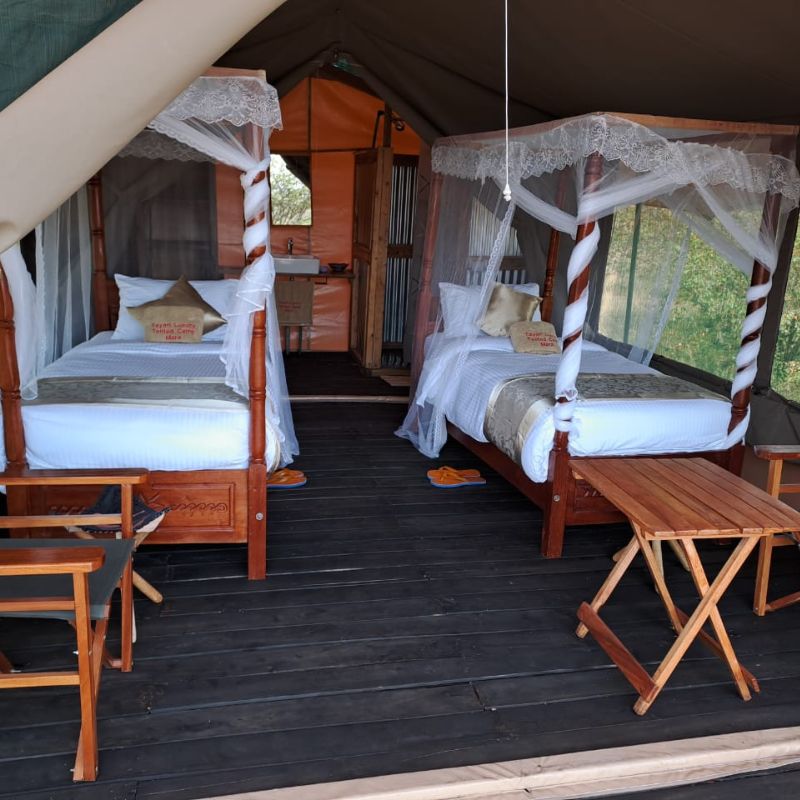
Tayari Luxury Tented Camp offers a perfect blend of comfort and adventure, located just 4 kilometers from the Maasai Mara’s Sekenani Gate. The camp provides luxury tented accommodations with en-suite bathrooms and private verandas, giving guests views of the surrounding plains and wildlife right from their rooms. Known for its affordability and warm hospitality, Tayari caters to both local and international visitors looking for a memorable safari experience.
Guests can enjoy a range of activities including game drives, nature walks, balloon safaris, and visits to cultural Maasai villages. The camp also features modern amenities such as a restaurant serving local and international cuisine, a bar, and facilities for team-building and indoor games.
Enkorok Mara Camp
Enkorok Mara Camp is a tented camp located in the Siana Conservancy, right at the edge of the Maasai Mara National Reserve. The camp provides a serene setting with spacious en-suite tents that cater to solo travelers, couples, and families. Each tent offers a private veranda, allowing guests to enjoy panoramic views of the Mara plains. Guests can expect modern amenities and personalized service, ensuring a comfortable and memorable stay.
Enkorok Mara Camp offers a wide range of activities, including game drives, hot air balloon safaris, and guided nature walks. The camp also has a swimming pool, a spa for relaxing treatments, and the Tamu Tamu Restaurant serving a variety of local and international dishes. For those looking to immerse in Maasai culture, cultural village visits are also available.
Mara Springs Safari Camp
Mara Springs Safari Camp is a budget-friendly camp located just 3 kilometers from the Sekenani Gate, providing easy access to the Maasai Mara National Reserve. Nestled at the foot of the Naunare Hills, this camp offers guests a serene, nature-filled experience, with its name derived from the underground springs that supply fresh water to the camp. The camp offers a variety of accommodation options, including en-suite mid-luxury tents with hot showers, flush toilets, and comfortable bedding.
Guests can enjoy full-board or self-catering options and have access to a well-shaded campsite, making it ideal for both casual campers and those seeking a bit more comfort. The camp's location and design offer prime game-viewing opportunities, especially during the Great Migration season. Additional amenities include a restaurant serving fresh meals, as well as guided game drives, bush dinners, and cultural village tours.
Basecamp Adventure
Basecamp Adventure is an eco-friendly safari camp located along the Talek River in the Maasai Mara, offering intimate accommodations and a prime location for wildlife viewing. The camp features just six tents, each designed for simplicity under canvas while maintaining comfort, with amenities like mosquito nets, private verandas, and indoor and outdoor showers.
The camp promotes sustainability and works closely with the local Maasai community through initiatives like the Basecamp Maasai Brand, which empowers local women artisans. Guests can enjoy guided game drives, cultural tours, bird walks, and visits to the nearby Enjoolata Educational Centre, making it an ideal spot for those looking for a more immersive and environmentally conscious safari experience.
Planning Your Maasai Mara Accommodation
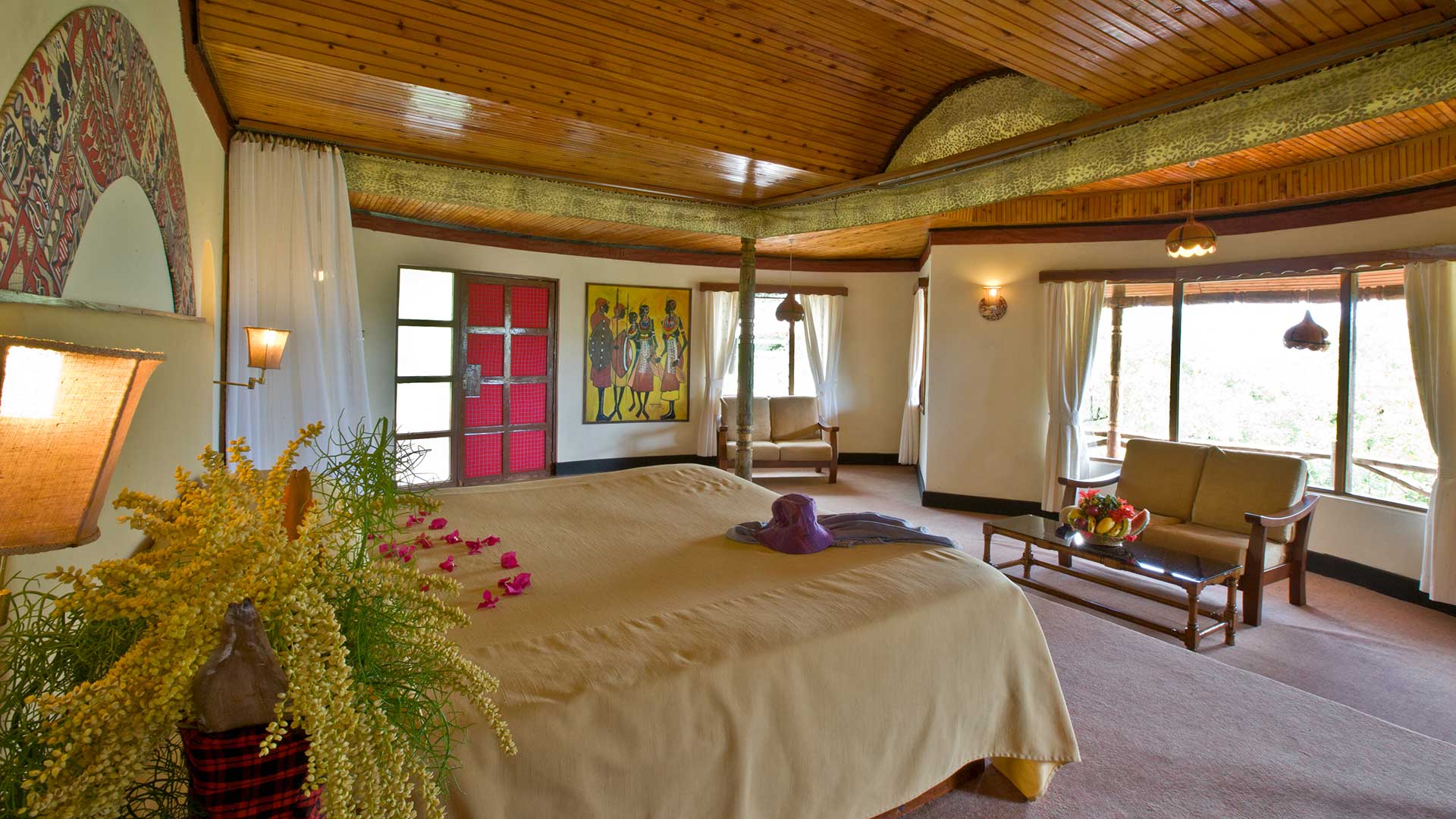
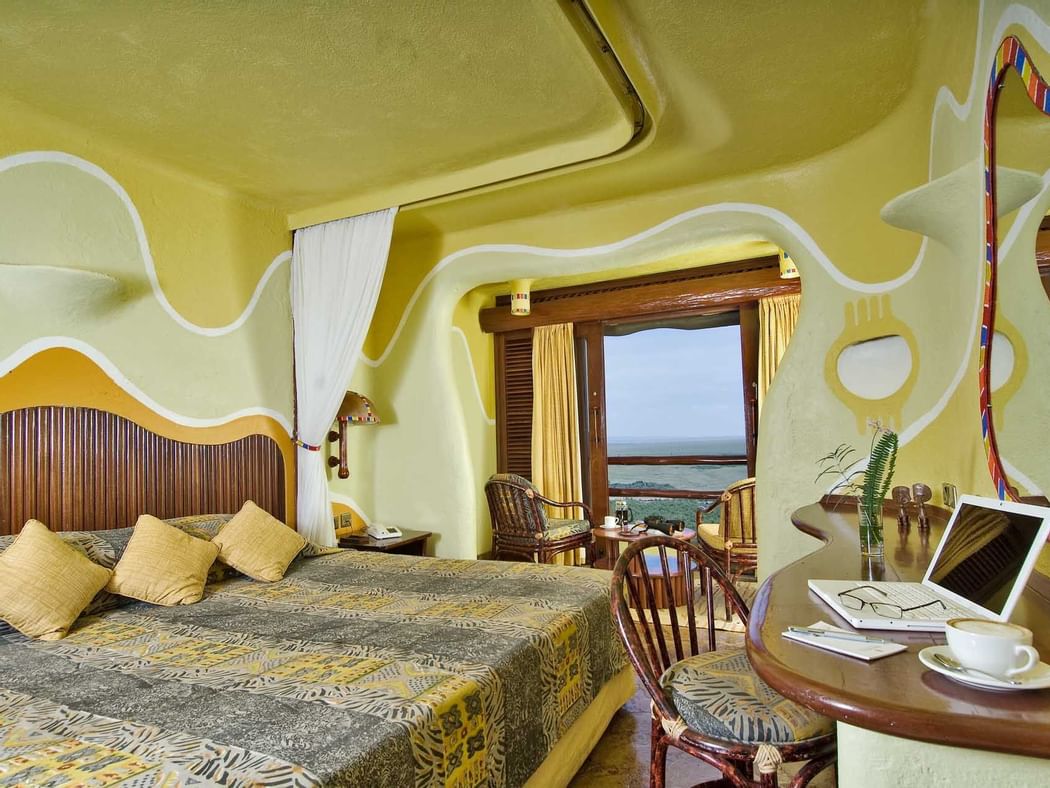
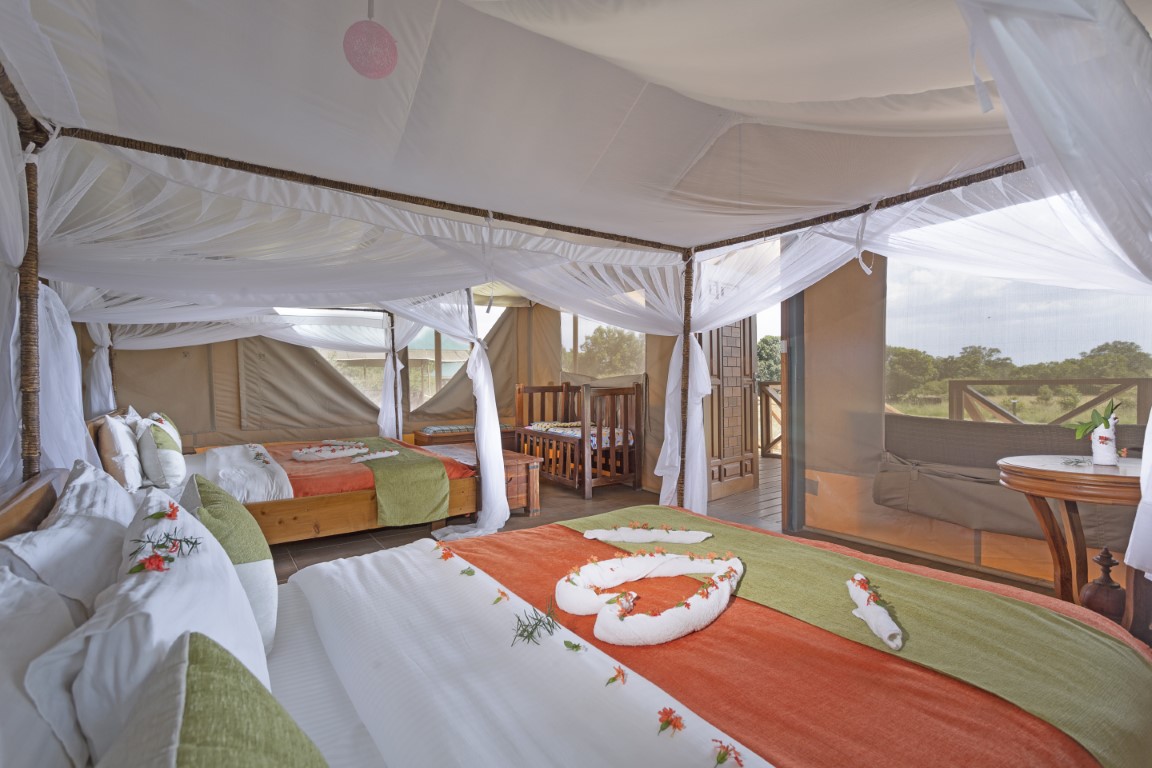
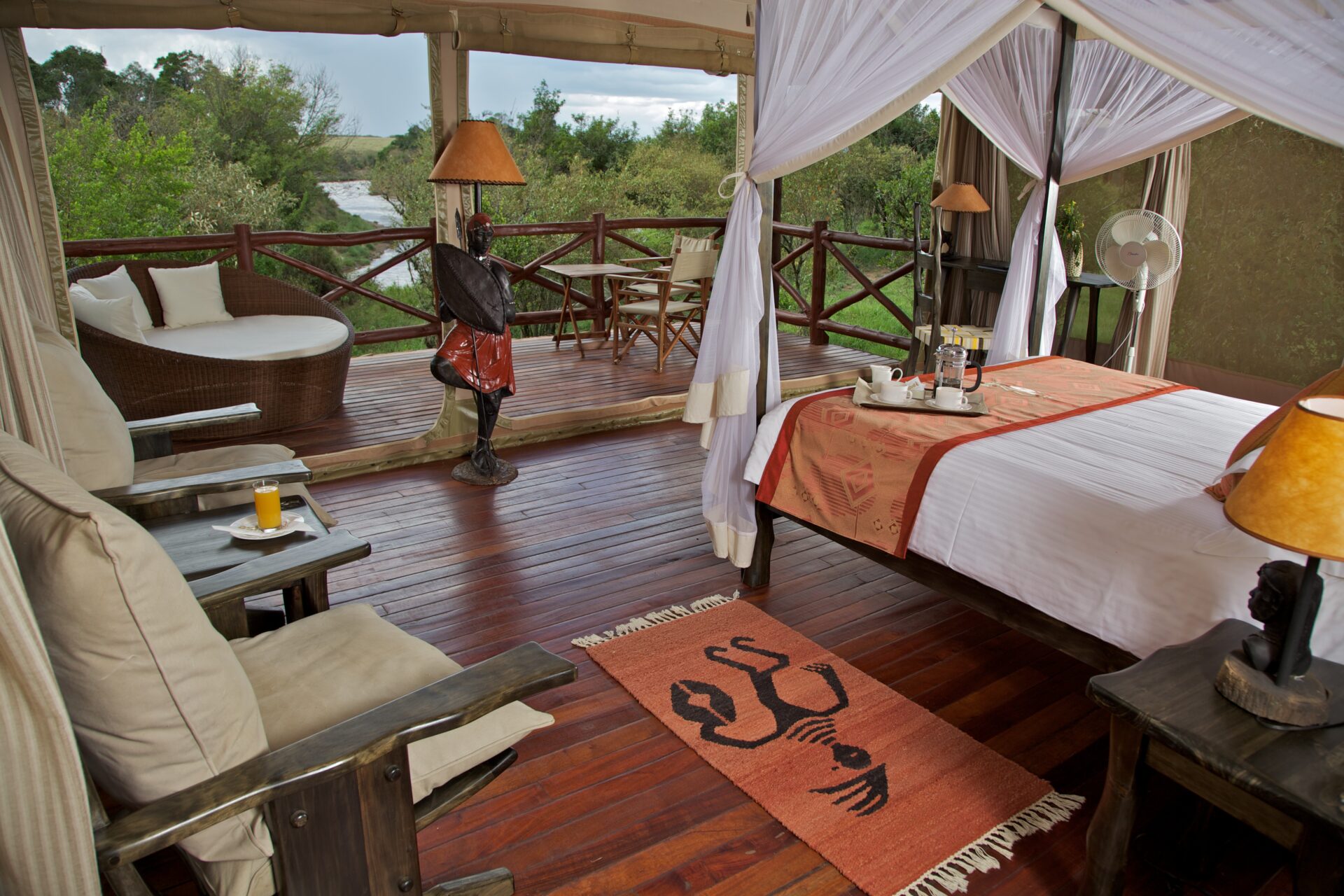
No matter which of these stunning accommodations you choose, your Masai Mara safari is guaranteed to be a remarkable experience. Whether you're drawn to the luxury of Lalashe Mara Camp, the eco-conscious ethos of Basecamp Adventure, or the family-friendly comfort of Enkorok Mara Camp, there's something for every traveler. For more detailed information on the Maasai Mara, including top activities and travel options, explore Maasai Mara Safaris, or check out the 3-day luxury camp itinerary for an immersive experience.
Ready to plan your adventure? Campo East Africa Safaris is here to help. View our range of wildlife safari packages and reach out to our team through the contact page to start planning your dream safari!
Planning a Masai Mara safari requires understanding the cost factors involved. From accommodation to transportation and park fees, these elements can vary based on the time of year, travel preferences, and duration of your stay. In this guide, we’ll break down typical safari costs to help you budget your adventure.
Factors That Affect Masai Mara Safari Costs
Several key factors impact the overall cost of a Masai Mara safari:
Accommodation: Budget, Mid-Range, and Luxury Options
Accommodation ranges from basic campsites to luxurious lodges. Prices can vary significantly depending on your choice:
For budget travelers, a basic safari including shared accommodation, meals, park fees, and road transportation can range from $800 to $1,200 for a 3-day trip.
Average Price for a Mid-Range Safari
A mid-range safari typically costs between $1,500 to $2,500 for 3 days, including better accommodation and private transportation.
What to Expect from a Luxury Safari Experience
Luxury safaris can cost anywhere from $3,000 to $6,000 for 3 days, featuring high-end lodges, private guides, and exclusive experiences such as hot air balloon rides.
Additional Costs to Consider
Safari Guides and Tips
While tipping is not mandatory, it is customary to tip your guides and staff:
Safari guide: $10 - $20 per day
Camp staff: $5 - $10 per day
Meals and Drinks
Meals are often included in safari packages, but luxury camps may charge extra for drinks, ranging from $5 for soft drinks to $30+ for premium wines.
How to Save on Your Masai Mara Safari
Visit during off-peak season: Costs are lower from March to May due to reduced demand.
Group safaris: Sharing costs with others can significantly reduce expenses.
Book in advance: Early booking may unlock special discounts on flights and accommodation.
A Masai Mara safari can fit a wide range of budgets, from affordable group tours to luxury experiences. By understanding the various cost factors—accommodation, transportation, park fees—you can tailor your trip to suit your preferences. Whether you're looking for an immersive budget trip or an indulgent luxury safari, Campo East Africa Safaris offers customized packages to make your dream adventure a reality. For personalized safari planning, contact Campo EA Safaris today.
Masai Mara Safari Cost FAQs
What is the average cost of a Masai Mara safari? A mid-range safari typically costs between $1,500 to $2,500 for a 3-day trip, including accommodation, park fees, and transportation.
How much are park entry fees for Masai Mara? Non-resident park fees are $100 per person during off-peak season and $200 during the peak season..
What affects the overall cost of a safari? Key factors include accommodation, park fees, transportation, and safari duration.
Can I visit Masai Mara on a budget? Yes, budget safaris can range from $800 to $1,200 for a 3-day trip with basic accommodation and shared transportation.
How much do luxury safaris cost? Luxury safaris can cost between $3,000 to $6,000 for a 3-day stay, offering premium accommodation and private guides.
What is the cheapest way to travel to Masai Mara? Road transport is cheaper than flights, costing around $150 to $300 depending on the group size.
Are meals included in safari costs? Most safari packages include meals, though luxury camps may charge extra for premium drinks.
When is the most affordable time to visit Masai Mara? The low season (March to May) is the most affordable due to reduced demand.
Should I tip safari guides and staff? Tipping is customary, with suggested tips of $10 - $20 per day for guides and $5 - $10 for camp staff.
How can I save on a Masai Mara safari? Travel during the off-season, book in advance, and consider group tours to lower costs.
Planning a safari to the Masai Mara is an exciting endeavor, but timing your trip is crucial for an unforgettable experience. The Masai Mara offers something special year-round, but specific months deliver incredible wildlife sightings, especially during the Great Migration. To help you choose the best time to visit masai mara, we’ll break down the climate, peak safari seasons, and travel tips.
Understanding Masai Mara’s Climate
The Masai Mara has a moderate climate due to its location on the equator, with two main seasons: wet and dry. The dry season runs from July to October, while the wet season covers November to May, with a short rainy period in November and heavier rains from March to May.
Seasons of Maasai Mara: Wet vs. Dry
Dry Season (July to October): This is the peak time for wildlife viewing, including the famed Great Migration of wildebeest and zebras crossing the Mara River. Fewer rains mean animals gather near water sources, making them easier to spot.
Wet Season (November to May): While rainfall increases, this period also boasts lush landscapes and fewer crowds. Birdwatchers will find a rich variety of migratory species during this time. For those looking for a quieter experience, it can be ideal.
For more insights into the climate and what to expect in the Maasai Mara, check out Campo EA Safaris’ guide.
When Is the Best Time to See the Great Migration?
The highlight of any trip to Masai Mara is witnessing the Great Migration, a spectacular natural event where over 1.5 million wildebeest and hundreds of thousands of zebras and gazelles journey from Tanzania’s Serengeti to Kenya’s Masai Mara in search of fresh grazing. The best time to witness the river crossings—one of the most dramatic parts of the migration—is between July and October.
Why July to October Is the Peak for Migration Viewing
July to October offers prime viewing of the river crossings, particularly at the Mara River, where the herds brave crocodile-filled waters. Expect large crowds during this period, as it coincides with peak tourist season.
Alternative Months for Wildlife Spotting
June and November are excellent alternatives if you want to avoid peak crowds. While the migration may not be in full swing, the Mara remains teeming with wildlife, including the Big Five (lion, elephant, buffalo, leopard, and rhino).
The Best Time for Budget-Friendly Masai Mara Trips
While the peak season offers incredible wildlife viewing, it also comes with higher prices and more tourists. If you’re looking for a budget-friendly trip, consider visiting during the shoulder seasons or off-peak periods.
Low Season Benefits
From March to May, the wet season brings lower prices for accommodation and safaris. Though some camps may close, those that remain open offer intimate experiences at a fraction of the cost.
Shoulder Season Travel: A Hidden Gem
The shoulder seasons (June and November) are great times to visit the Masai Mara. You can enjoy competitive rates while still experiencing vibrant wildlife activity, as the migration usually starts in June and runs through October.
If budget-conscious travel interests you, check out Campo EA Safaris’ wildlife safari packages for a range of affordable options.
Planning Your Maasai Mara Visit
The Masai Mara offers a magical experience year-round. Whether you're aiming to witness the Great Migration or prefer a quiet, lush environment during the rainy season, the Mara provides unique opportunities in every season. For wildlife enthusiasts, the dry season from July to October is ideal. For budget travelers and those seeking fewer crowds, consider the shoulder or wet seasons.
The Masai Mara offers something special throughout the year, and choosing the right time depends on your goals. Whether you're drawn to the spectacle of the Great Migration or looking for a quiet, budget-friendly escape, Campo East Africa Safaris can help tailor your perfect Maasai Mara adventure. With their expert guides and diverse packages, you’re sure to have a memorable experience. To start planning your trip, get in touch with Campo EA Safaris today.
Best Time to Visit Masai Mara FAQs
What is the best time to visit Masai Mara for wildlife viewing? The best time is during the dry season, from July to October, when wildlife is abundant, and the Great Migration occurs.
Can I visit Masai Mara during the rainy season? Yes, but expect lush landscapes, fewer tourists, and lower prices. Wildlife is still present, though harder to spot due to the thicker vegetation.
When does the Great Migration occur in Masai Mara? The Great Migration typically takes place from July to October, with river crossings being most visible in August and September.
Is the wet season a good time for birdwatching in Masai Mara? Absolutely! The wet season, especially from November to May, is ideal for birdwatching as migratory birds arrive in the Mara.
How crowded is Masai Mara during peak season? From July to October, the Mara can get quite crowded due to the Great Migration. Booking in advance is recommended for better accommodation options.
When is the best time to visit Masai Mara for budget travelers? The best time for budget-friendly trips is during the wet season (March to May) or shoulder seasons (June and November), when prices are lower.
What is the weather like in Masai Mara? The weather is generally mild, with a dry season from July to October and a wet season from November to May.
Can I still see the Big Five outside of peak season? Yes, the Big Five can be seen year-round in Masai Mara, though wildlife visibility improves in the dry season.
How far in advance should I book my safari? For peak season (July to October), booking several months in advance is recommended. For other times, a few weeks to a month is sufficient.
What should I pack for a Masai Mara safari? Pack light layers, a good camera, binoculars, sunscreen, insect repellent, and comfortable shoes for walking safaris.













Recent Comments