Rising dramatically above the Great Rift Valley, Mount Longonot is a dormant volcano offering one of Kenya’s most challenging yet rewarding hiking experiences. This natural wonder, located near Naivasha, attracts outdoor enthusiasts from all over the world. With its steep trails, breathtaking landscapes, and diverse wildlife, Mount Longonot is an adventure you’ll remember for a lifetime.
The Geology of Mount Longonot
Mount Longonot, whose name means "steep ridges" in Maasai, is a classic example of the geological forces that shaped the Rift Valley. Formed thousands of years ago, its massive crater measures approximately 7.5 kilometers in diameter. Walking along the rim of this extinct caldera offers not only physical exertion but also a rare glimpse into Kenya’s volcanic past.
The mountain’s lava flows are still visible, and its fertile volcanic soils support a variety of plants, creating a lush environment that contrasts with the surrounding savannah.
Why Hike Mount Longonot?
Mount Longonot offers something for everyone, from casual hikers to seasoned adventurers. Here’s why it’s a must-visit destination:
Incredible Scenery: The panoramic views from the crater rim stretch across the Rift Valley and include Lake Naivasha and beyond.
Wildlife Encounters: The park is home to zebras, giraffes, buffaloes, and numerous bird species.
Adrenaline-Pumping Trails: The steep ascent and rugged paths make this hike as thrilling as it is rewarding.
Eco-Tourism Highlight: Hiking Mount Longonot supports the conservation of this unique ecosystem, which is managed by the Kenya Wildlife Service (KWS).
The Hiking Experience
The Ascent to the Crater Rim
The hike begins at the Mount Longonot National Park gate, where visitors pay an entry fee (about Ksh 300 for locals and Ksh 2,000 for foreigners). The trail starts off with a gentle incline before transitioning into steeper sections. The ascent typically takes 1-2 hours, depending on your pace and fitness level.
Along the way, you’ll encounter volcanic rocks, open grasslands, and acacia trees. The higher you climb, the more expansive the views become, creating perfect spots for photo breaks.
Exploring the Crater Rim
Once you reach the rim, you’re greeted by stunning vistas of the crater floor below—a vast, untouched wilderness teeming with vegetation. Circumnavigating the rim is an optional but highly recommended adventure. The 7.2-kilometer trail around the crater offers 360-degree views and takes an additional 2-3 hours. Be prepared for narrow paths, steep sections, and thrilling drops.
Descending Mount Longonot
The descent is faster but still requires caution, especially on loose gravel. Many hikers complete the entire journey, including the crater rim loop, in 5-6 hours.
Wildlife and Flora
Mount Longonot National Park is more than just a hiking destination; it’s a thriving ecosystem. As you explore the trails, keep an eye out for:
Zebras, Giraffes, and Antelopes: These iconic animals are often spotted grazing in the park.
Buffaloes and Warthogs: Though less common, these species add an element of surprise to the hike.
Birdlife: From eagles soaring overhead to colorful weaver birds, the park is a paradise for bird watchers.
Unique Vegetation: The mountain’s fertile soils support a mix of grasses, shrubs, and trees, including hardy acacias.
Best Time to Visit
Mount Longonot is accessible year-round, but the dry seasons are ideal for hiking.
January to February: Warm, dry weather with clear skies.
June to October: Cool and dry, perfect for long treks.
During the wet season (March-May and November), the trails can become slippery and challenging to navigate.
Practical Tips for Hiking Mount Longonot
To make the most of your adventure, consider the following tips:
Pack Wisely: Bring water, energy snacks, sunscreen, a hat, and a camera.
Dress for the Terrain: Comfortable, sturdy shoes and breathable clothing are essential.
Start Early: Arrive at the park gate by 7:00 AM to avoid the midday heat and crowds.
Hire a Guide: Though not mandatory, guides provide valuable insights and enhance your safety.
Go at Your Own Pace: The steep sections can be tough, so take breaks when needed.
Extend Your Adventure
Mount Longonot is a gateway to other exciting destinations in the Naivasha region:
Mount Longonot is part of Kenya’s network of protected areas managed by KWS. Entry fees contribute to wildlife protection, anti-poaching initiatives, and trail maintenance. Visitors are encouraged to follow Leave No Trace principles to preserve this natural wonder for future generations.
Plan Your Mount Longonot Adventure with Campo East Africa Safaris
Embarking on Mount Longonot hiking is an unforgettable experience, and Campo East Africa Safaris ensures your journey is seamless. From transport to guided tours, we offer comprehensive packages tailored to your preferences. Visit our Contact Us page to start planning your adventure today!
Nestled in the heart of Lake Naivasha, Crescent Island Naivasha offers a serene and predator-free environment for wildlife enthusiasts to explore. This crescent-shaped gem, known for its breathtaking scenery and diverse fauna, is a perfect destination for travelers seeking intimate encounters with nature. Whether you're a bird watcher, photographer, or simply a lover of the wild, Crescent Island guarantees a memorable experience.
The Formation and Cultural Significance of Crescent Island
Crescent Island's unique shape is the result of volcanic activity thousands of years ago. Its caldera-like formation provides fertile ground for vegetation, attracting diverse wildlife. The island’s picturesque landscapes gained international fame when featured in the Academy Award-winning film Out of Africa (1985), making it a bucket-list destination for movie enthusiasts.
Wildlife Encounters: Up Close and Personal
One of the island's biggest draws is the chance to walk alongside free-roaming wildlife. With no predators on the island, it is safe for visitors to experience these animals up close:
Herds of Wildebeests and Zebras: These majestic creatures graze peacefully, creating postcard-perfect scenes.
Graceful Giraffes: Towering above the treetops, giraffes add a surreal charm to the island.
Waterbucks, Impalas, and Gazelles: Regularly spotted as they navigate the island’s lush greenery.
Birds Galore: Over 300 bird species, including African fish eagles, cormorants, and pelicans, make Crescent Island a birdwatcher's paradise.
How to Reach Crescent Island
Crescent Island is accessible via two main routes:
Boat Ride Across Lake Naivasha: This is the most popular way to reach the island. During the ride, you'll likely encounter hippos lounging in the water and a variety of bird species soaring above.
Drive to the Mainland Entrance: A causeway connects the mainland to the island when water levels are low. It's a convenient option for those driving from Nairobi or other parts of Kenya.
The journey from Nairobi takes about 90 minutes, making it a perfect day-trip destination.
Activities on Crescent Island
Crescent Island offers more than just wildlife sightings. Visitors can engage in several activities to make the most of their trip:
Guided Walking Safaris: Learn about the island’s history and wildlife from experienced guides.
Photography: The stunning backdrops and diverse animals provide endless photo opportunities.
Bird Watching: Bring your binoculars to spot rare and colorful bird species.
Relaxation and Picnics: The serene surroundings are ideal for unwinding and enjoying a meal in nature.
Best Time to Visit
Crescent Island is open year-round, but the dry seasons (January-February and June-September) are the most favorable. During these months, the grass is shorter, improving visibility for wildlife viewing. The cooler temperatures in the morning or late afternoon are ideal for walking safaris.
Environmental Conservation on Crescent Island
Crescent Island plays a vital role in conserving Naivasha’s biodiversity. Efforts include:
Anti-Poaching Patrols: Regular monitoring to protect the wildlife from illegal activities.
Tree Planting Initiatives: To combat deforestation and support the ecosystem.
These initiatives make Crescent Island a model of eco-tourism in Kenya.
Essential Tips for Visitors
To ensure a comfortable and enjoyable trip, consider these tips:
Entry Fees: Entry costs vary for locals and international visitors. Currently, it is approximately Ksh 800 for Kenyan adults and Ksh 1,500 for foreign tourists. Confirm rates before your visit.
What to Pack: Comfortable walking shoes, sunscreen, insect repellent, water, and a camera.
Guides: While walking alone is permitted, hiring a guide enriches the experience with insights into the island’s flora and fauna.
Health Precautions: Be mindful of insects like mosquitoes, especially near water.
Extend Your Naivasha Adventure
Crescent Island is part of the larger Naivasha ecosystem, which boasts numerous attractions. Pair your visit with:
Hell’s Gate National Park: A striking park known for its towering cliffs and geothermal springs. Read more here.
Lake Naivasha Boat Rides: Experience the vibrant aquatic life up close. Discover more here.
Elsamere Conservation Centre: Delve into the legacy of Joy Adamson, author of Born Free.
Other Parks in Kenya: Crescent Island is often included as part of a larger safari itinerary, covering iconic attractions like the Maasai Mara, Amboseli, or Tsavo National Parks. This allows travelers to experience Kenya’s diverse landscapes and wildlife in one trip.
Each site complements the Crescent Island experience, offering a glimpse into Naivasha’s rich natural and cultural heritage. Visit our Contact Us page to start planning your adventure today.
Nestled in Kenya’s Great Rift Valley, Lake Naivasha is a breathtaking destination offering an ideal blend of relaxation, adventure, and wildlife encounters. Just two hours from Nairobi, this freshwater lake is renowned for its scenic beauty, abundant wildlife, and unique ecosystems that attract nature lovers and photographers from around the globe. Visitors can experience the magic of Lake Naivasha through serene boat rides, hikes in nearby parks like Hell’s Gate, and up-close wildlife viewing. Whether you’re a birdwatcher, a safari enthusiast, or simply seeking tranquility, Lake Naivasha promises an unforgettable escape into nature.
Why Visit Lake Naivasha?
Lake Naivasha offers something for every type of traveler. Its diverse landscapes include lush papyrus swamps, open waters, acacia woodlands, and expansive plains. This variety provides an incredible setting for an array of activities, from tranquil boat safaris to adrenaline-filled hikes. Wildlife is abundant, making it an ideal spot for photographers and safari lovers, while the lake’s proximity to Nairobi makes it a convenient escape for short trips or weekend getaways.
For those interested in conservation, Lake Naivasha also showcases the impact of environmental stewardship and the importance of protecting Kenya’s natural resources. The lake is a key freshwater source for local communities and an essential habitat for numerous species, contributing to its designation as a Ramsar Wetland of International Importance. Lake Naivasha is a remarkable place to witness the harmonious balance between human activity and nature, offering an inspiring perspective for eco-conscious travelers.
Getting to Lake Naivasha
Located just a two-hour drive from Nairobi, Lake Naivasha is one of the most accessible natural attractions in Kenya. Travelers can easily reach it by car, either through a private transfer or a guided tour. The drive itself is part of the experience, as it takes you through the stunning Great Rift Valley with panoramic views and several scenic lookout points. For those who prefer organized trips, many safari operators include transportation, providing a stress-free way to explore this captivating region.
Whether you’re planning a day trip or an overnight stay, reaching Lake Naivasha is straightforward, allowing you to immerse yourself in its wonders shortly after leaving the bustling capital.
Wildlife Wonders: Discover Lake Naivasha’s Rich Biodiversity
Lake Naivasha’s biodiversity is a major draw for visitors, offering a rare opportunity to see an impressive variety of wildlife in one place.
Birdwatcher’s Paradise Lake Naivasha is renowned among birdwatchers for its incredible avian diversity, with over 400 bird species. Sightings include African fish eagles, kingfishers, pelicans, and cormorants. Early mornings and late afternoons are the best times to observe these birds, as they are often found swooping over the lake or perched along the shoreline.
White-breasted cormorant watching a Hippopotamus at lake Naivasha
Land and Water Wildlife Lake Naivasha’s shores are home to diverse animals, including hippos, giraffes, zebras, and antelopes. The lake’s hippo population is particularly famous, often seen relaxing in the water or grazing near the shore at dusk. Observing these animals from a safe distance is thrilling, as it provides a closer look at Kenya’s unique wildlife in its natural habitat.
Unique Ecosystem and Flora Surrounded by lush papyrus swamps and acacia woodlands, Lake Naivasha’s ecosystem plays an essential role in supporting the region’s wildlife. These habitats sustain the local fauna and create a captivating landscape, giving visitors an authentic sense of Kenya’s natural beauty.
Exciting Activities Around Lake Naivasha
Lake Naivasha offers a diverse array of activities for nature lovers, adventurers, and those simply looking to unwind in a serene setting. Here’s a breakdown of the best ways to explore and enjoy this unique destination.
Boat Safaris on Lake Naivasha A boat safari is a quintessential Lake Naivasha experience, allowing visitors to glide across the lake and observe hippos in their natural habitat, along with countless bird species. African fish eagles, pelicans, and cormorants are frequently seen, providing stunning photo opportunities as they dive and soar above the water. Boat safaris are usually available as one-hour or half-day trips, offering flexibility to enjoy the scenic lake at your own pace.
Crescent Island Walking Safari Crescent Island is a unique sanctuary located in Lake Naivasha, accessible by boat or by road during certain seasons when water levels are low. Known for its walking safaris, Crescent Island offers a rare, predator-free environment where visitors can walk among giraffes, zebras, wildebeests, and gazelles. Guided walking safaris provide an immersive experience, allowing you to explore the island’s diverse landscape and enjoy the thrill of being close to these majestic animals on foot. It’s a truly special way to experience Kenya’s wildlife without the confines of a vehicle.
Nature Walks and Hiking Adventures in Hell’s Gate National Park Hell’s Gate National Park is a paradise for hikers and adventurers, known for its dramatic landscapes, including red cliffs, geothermal springs, and volcanic rock formations. The Ol Njorowa Gorge is a highlight, featuring narrow canyons and towering walls formed by ancient volcanic activity. Visitors are advised to take a guided hike through the gorge, as some sections can be challenging, especially after rainfall. Hell’s Gate is also famous for its geothermal activity, which adds a unique element to the park’s natural beauty.
Biking Safaris at Hell’s Gate One of the few places in Kenya where you can explore a national park by bicycle, Hell’s Gate offers a thrilling biking safari experience. Visitors can rent bikes at the park entrance and cycle along trails, often coming face-to-face with gazelles, buffaloes, zebras, and baboons. The park’s relatively flat terrain makes biking accessible to most visitors, although a moderate fitness level is recommended for longer rides.
Fishing in Lake Naivasha Fishing is another popular activity on Lake Naivasha, with opportunities to catch species like tilapia, catfish, and black bass. Several hotels and lodges around the lake offer fishing excursions, complete with equipment and guides. Fishing in Naivasha is generally catch-and-release, providing a sustainable way to enjoy the sport while helping to preserve the lake’s ecosystem.
WRC Safari Rally Lake Naivasha is also home to the famous World Rally Championship (WRC) Safari Rally, a high-adrenaline motorsport event held annually in the area. This rally draws participants and fans from around the world, as drivers navigate rough and dusty terrains that challenge even the most skilled racers. The WRC Safari Rally is a highlight for motorsport enthusiasts, as it showcases Kenya’s rugged landscapes and the skill of world-class rally drivers. For those interested in attending, Campo East Africa Safaris offers exclusive accommodation packages that ensure a comfortable stay close to the action, complete with amenities tailored to rally fans.
Geothermal Spa and Relaxation Near Lake Naivasha, the Ol Karia Geothermal Spa offers a unique opportunity to unwind in a naturally heated pool. Situated within Hell’s Gate National Park, this geothermal spa taps into the area’s volcanic activity, creating warm, mineral-rich waters that are said to have therapeutic benefits. With stunning views of the surrounding landscape, the Ol Karia Geothermal Spa is an ideal stop for relaxation after a day of exploring.
Visit to Flower Farms Lake Naivasha is also known for its expansive flower farms, which produce a large portion of Kenya’s cut flowers exported worldwide. Some farms offer guided tours where visitors can learn about the flower-growing process, sustainable farming practices, and the importance of the flower industry to the local economy. These tours offer insight into an industry crucial to the region and provide a unique experience outside the typical wildlife and nature excursions.
Horseback Riding and Scenic Tours For a more peaceful exploration, horseback riding along Lake Naivasha’s shores offers a serene way to take in the landscape, with the chance to spot animals such as giraffes and antelopes along the way. Guided horseback safaris cater to all experience levels, making this an excellent option for families or those wanting to experience the lake from a different vantage point.
Photography and Birdwatching Lake Naivasha’s natural beauty makes it a prime location for photographers and birdwatchers. The lake is home to over 400 bird species, including African fish eagles, ospreys, herons, and flamingos during migration. Early mornings are particularly rewarding for capturing golden light and witnessing bird activity, with plentiful opportunities to photograph Lake Naivasha’s diverse wildlife and serene landscapes.
Whether you’re drawn to Lake Naivasha for its thrilling outdoor adventures, tranquil boat safaris, or fascinating cultural tours, there’s an activity to suit every interest. Each experience offers a unique perspective on this remarkable area, creating lasting memories for all who visit.
Accommodation Options at Lake Naivasha
Lake Naivasha offers a wide range of accommodations catering to various budgets and preferences, from comfortable mid-range lodges to luxurious retreats. Whether you’re looking for a family-friendly stay or an eco-conscious option, here are some of the best accommodations in the area.
Mid-Range Accommodation Options
Sopa Lodge Nestled among acacia trees along Lake Naivasha’s shores, Sopa Lodge provides spacious rooms with private balconies offering lake views. The lodge features two outdoor swimming pools, a restaurant serving local and international cuisine, and landscaped gardens where guests often spot zebras and giraffes wandering nearby. With its family-friendly atmosphere, Sopa Lodge is ideal for travelers seeking comfort and nature immersion without luxury pricing.
Simba Lodge Situated in a tranquil lakeside setting, Simba Lodge offers comfortable accommodations with large windows to maximize views of the lake and wildlife. The lodge provides amenities such as an outdoor pool, spa services, and guided nature walks. Simba Lodge also has family rooms and offers various dining options, making it popular among families and small groups.
Lake Naivasha Resort Lake Naivasha Resort combines modern amenities with a rustic touch, offering guests a peaceful stay surrounded by lush gardens. The resort has an outdoor pool, a fitness center, and conference facilities, making it a versatile choice for both leisure and business travelers. The restaurant serves a range of local and international dishes, and guests can arrange boat trips and excursions to nearby parks through the resort.
Enashipai Resort & Spa Enashipai is a highly regarded resort that offers a blend of comfort, style, and wellness. Known for its modern rooms, luxury spa, and excellent dining options, the resort is ideal for those looking to unwind. Enashipai’s spa provides holistic treatments, while its art gallery and cultural museum add a unique touch to the stay. The resort also hosts events, making it a popular choice for weddings and conferences.
Lake Naivasha Country Club Established in the 1930s, Lake Naivasha Country Club offers classic charm with well-maintained cottages and rooms. Set on a sprawling property with gardens and easy lake access, the club provides an inviting, relaxed atmosphere. Facilities include an outdoor pool, a restaurant, and a bar, along with activities like boat rides and birdwatching excursions.
Great Rift Valley Lodge & Golf Resort Perched on the Eburru Escarpment with panoramic views of Lake Naivasha, the Great Rift Valley Lodge offers a combination of scenic beauty and recreational facilities. The resort features an 18-hole championship golf course, a pool, and hiking trails. With villa-style rooms and conference facilities, it’s a versatile option for leisure and business travelers alike. Guests also have the opportunity to explore nearby attractions like Eburru Forest.
Luxury Accommodation Options
Loldia House Set on a private farm along Lake Naivasha, Loldia House is an exclusive retreat with a charming colonial style. This luxury accommodation offers spacious rooms, personalized service, and stunning lake views. Guests can enjoy activities like guided nature walks, birdwatching, and visits to nearby Lake Nakuru National Park. Loldia House focuses on sustainability, with efforts to support local communities and conserve the surrounding environment.
Chui Lodge Located within the Oserengoni Wildlife Sanctuary, Chui Lodge is an eco-luxury lodge known for its intimate setting, exceptional service, and commitment to sustainability. The lodge is designed with local materials, featuring handcrafted furniture and elegant interiors. Guests at Chui Lodge have access to exclusive game drives in the sanctuary, guided nature walks, and scenic sundowners, all in a serene, eco-friendly environment.
Crater Lake Lodge Situated near the volcanic Crater Lake, this lodge offers a unique and secluded experience within an ancient forest. Crater Lake Lodge has an eco-conscious approach, incorporating sustainable practices such as solar power and eco-friendly waste management. The lodge’s rooms are set on the rim of the crater, providing stunning views of the jade-green lake below. Guests can enjoy nature walks, birdwatching, and guided tours of the crater’s diverse flora and fauna.
Eco-Friendly and Sustainable Stays
Several accommodations around Lake Naivasha prioritize sustainability and eco-friendly practices, offering guests a way to experience Kenya responsibly:
Chui Lodge As part of the Oserengoni Wildlife Sanctuary, Chui Lodge takes significant steps to promote conservation, protecting local wildlife and employing eco-friendly practices in its operations. From solar energy to waste reduction and supporting local communities, the lodge exemplifies eco-tourism at its finest.
Crater Lake Lodge Crater Lake Lodge emphasizes environmental conservation, relying on sustainable energy sources and minimizing waste. The lodge’s secluded location within an ancient volcanic crater also makes it a safe habitat for numerous wildlife species, including giraffes, zebras, and over 150 bird species.
Loldia House Loldia House balances luxury with conservation, supporting local communities and employing eco-friendly practices across its operations. The lodge works with the local community on initiatives that protect the natural habitat around Lake Naivasha while providing sustainable employment opportunities.
These eco-conscious accommodations offer a comfortable and responsible way to enjoy Lake Naivasha’s natural beauty, giving guests peace of mind that their visit positively impacts the area’s ecosystem and communities. Campo East Africa Safaris organizes bookings at any of these world-class facilities and works closely with them to ensure guests have a most comfortable and seamless stay.
Best Time to Visit Lake Naivasha
Lake Naivasha’s climate allows for year-round exploration, but the ideal time to visit depends on the experiences you seek.
Dry Season (June to October) The dry season is the best time to visit Lake Naivasha for wildlife viewing, birdwatching, and outdoor activities. During these months, the weather is generally warm and dry, with minimal rainfall, making it easier to explore the lake, Crescent Island, and Hell’s Gate National Park. The clear skies are ideal for photography, and the limited vegetation allows for easier wildlife spotting.
Wet Season (November to May) While the wet season brings more rain, it also transforms the landscape into lush greenery, attracting migratory birds and creating a vibrant backdrop for nature enthusiasts. The months from December to February offer a relatively dry period within the rainy season, making them suitable for birdwatching and capturing stunning landscapes. March to May, the “long rains” period, may present challenges with accessibility to some trails, but it’s also the low season, which means fewer crowds and potential travel deals.
In summary, Lake Naivasha can be enjoyed at any time of the year, with each season offering unique experiences and landscapes. Those planning to visit during the wet season should be prepared for occasional rains and may want to focus on activities such as birdwatching and photography.
Practical Travel Tips for Visiting Lake Naivasha
To make the most of your visit to Lake Naivasha, consider these helpful travel tips:
Packing Essentials Essentials include sunscreen, insect repellent, comfortable walking shoes, and a wide-brimmed hat to protect against the sun. If you’re visiting during the rainy season, a waterproof jacket and extra layers are recommended.
Health and Safety Tips Travelers are encouraged to stay hydrated and apply insect repellent, especially if exploring the lakeshore where mosquitoes may be present. When observing wildlife, keep a safe distance, particularly with hippos, as they can be unpredictable. Visitors should also be cautious in Hell’s Gate National Park’s gorge and take guided tours, as some trails can be challenging.
Local Etiquette and Environmental Responsibility Lake Naivasha is a sensitive ecosystem, so visitors are advised to respect the environment by not littering and following guidelines to avoid disturbing wildlife. When interacting with locals or taking flower farm tours, a respectful approach is always appreciated. Supporting eco-friendly accommodations and experiences, such as staying at Crater Lake Lodge or Chui Lodge, helps contribute to the conservation of this beautiful region.
For more insights on Lake Naivasha’s surroundings as part of a larger Kenyan adventure, consider Campo East Africa Safaris’ Kenya Grand Valle del Rift y Sabana Salvaje itinerary, which includes Naivasha among other remarkable destinations.
Visit Lake Naivasha with Campo East Africa Safaris
Lake Naivasha offers a unique mix of tranquil beauty, adventure, and cultural significance, making it a top destination for anyone visiting Kenya. From its diverse wildlife and scenic boat safaris to the excitement of the annual WRC Safari Rally, there’s something for everyone at Lake Naivasha. To ensure you have the best experience, let the expert team at Campo East Africa Safaris arrange your travel plans, from accommodation to activities that suit your interests. For booking inquiries, feel free to Contact Us and start planning your Lake Naivasha adventure today.
Welcome to our comprehensive guide to Nairobi National Park. Nestled just 7 kilometers from Kenya’s bustling capital, Nairobi National Park is a wildlife oasis in an urban desert. Whether you are a seasoned safari enthusiast or a curious first-timer, our guide answers the 20 most frequently asked questions about this unique city-enclosed park. From the diverse wildlife species you can spot to the best time to visit, from safety measures to how you can contribute to conservation efforts—we’ve got you covered. Join us as we delve into the hidden wonders of Nairobi National Park, revealing the rich history, fascinating experiences, and vibrant ecosystems that make it a must-visit destination.
Where is Nairobi National Park located?
Nairobi National Park, the only national park in the world located within a city’s boundaries, is situated approximately seven kilometers south of Nairobi’s bustling city center. It’s easily accessible via Langata Road, with the main entrance opposite Langata Cemetery.
How big is Nairobi National Park?
Nairobi National Park covers approximately 117 square kilometers or 45 square miles. Despite its relatively small size compared to other African national parks, it boasts an impressive variety of animal species and diverse habitats.
What is the best time to visit Nairobi National Park?
The best time for wildlife viewing in Nairobi National Park is during the dry seasons, between June and October and from December to March. However, the park remains open year-round, and each season offers its unique viewing advantages. Early morning hours are especially ideal for spotting a plethora of wildlife as they are most active during this time.
What animals can you see in Nairobi National Park?
Home to a wealth of biodiversity, Nairobi National Park hosts over 100 mammal species. Visitors can expect to see four of the ‘Big Five’—lions, leopards, buffalo, and rhinos—excluding the elephant. Additionally, the park is a sanctuary for over 400 bird species and diverse reptilian fauna.
What are the operating hours of Nairobi National Park?
Nairobi National Park operates from 6 a.m. to 6:30 p.m., seven days a week, including holidays. The park offers both morning and afternoon game drives.
How much does it cost to visit Nairobi National Park?
Entrance fees to Nairobi National Park vary depending on nationality and age. At Campo East Africa Safaris, we offer a comprehensive Nairobi National Park Game Drive package, which includes entrance fees, transport, bottled water, and an optional picnic breakfast.
Can I book a tour of Nairobi National Park?
Absolutely! Nairobi National Park is known for its exceptional game drives, and Campo East Africa Safaris provides several Nairobi National Park tour packages to suit your schedule and preferences.
Is Nairobi National Park open all year round?
Yes, Nairobi National Park is open every day of the year, including public holidays.
What are the available facilities in Nairobi National Park?
Nairobi National Park is equipped with picnic sites, walking trails, and a wide array of accommodation options. The park also houses the Nairobi Animal Orphanage and the David Sheldrick Wildlife Trust, famous for elephant rehabilitation.
Can I bring my own food and drink to Nairobi National Park?
Yes, visitors can bring their own food and drinks into the park. However, plastic carrier bags are banned in Kenya to protect the environment.
Are there picnic areas in Nairobi National Park?
Absolutely. Nairobi National Park has several picnic sites, including the Ivory Burning Site, Impala, Kingfisher, Mokoyiet, and the Hippo Pools, where visitors can relax and enjoy their packed meals.
Can I camp in Nairobi National Park?
Nairobi National Park offers unique accommodations, including Nairobi Tented Camp nestled deep within the park. This allows visitors to experience the wild right in the heart of the city.
What safety measures should I be aware of when visiting Nairobi National Park?
Like any wildlife region, it’s essential to maintain a safe distance from animals, stay within the vehicle during game drives unless advised otherwise by the guide, and avoid feeding the wildlife. Also, adhere to park rules and guidelines provided.
What is the history of Nairobi National Park?
Established in 1946, Nairobi National Park is Kenya’s first national park. Its establishment marked a significant step in Kenya’s conservation history, protecting diverse species and serving as an educational and research hub.
Can children visit Nairobi National Park? If so, are there any special facilities or activities for them?
Children are welcome at Nairobi National Park. The park offers educational programs and the Safari Walk, an exciting opportunity for kids to learn about wildlife conservation.
Are there any special events or activities held in Nairobi National Park?
Nairobi National Park is an ideal venue for special events like birthdays, anniversaries, and corporate team-building activities. Visitors can also participate in guided walks and bird-watching expeditions.
How can I contribute to the conservation efforts at Nairobi National Park?
Contributions can be made through various programs like the Nairobi Greenline Project, Adopt an Acre initiative, or by supporting the David Sheldrick Wildlife Trust.
Can I drive my own car in Nairobi National Park, or do I need to hire a vehicle?
Visitors can drive their own vehicles in the park. However, hiring a vehicle from reputable tour operators like Campo East Africa Safaris allows for a hassle-free experience as the drivers are trained to spot and safely approach wildlife.
Is it possible to see the Big Five at Nairobi National Park?
While Nairobi National Park houses four of the Big Five—lion, leopard, buffalo, and rhinoceros, elephants are not native to this park. However, visitors can see baby elephants at the David Sheldrick Wildlife Trust within the park.
Are there any nearby accommodations for visitors to Nairobi National Park?
Several accommodation options exist within and around the park, such as the Nairobi Tented Camp, Ololo Lodge, Olsupat Lodge, and Emakoko Lodge. These range from luxury lodges to unique tented camps offering a full bush experience in the city.
Embark on a unique journey through Nairobi National Park and discover the heart of Kenyan wildlife with Campo East Africa Safaris. Don’t just see the park—experience it!
Nairobi National Park, a jewel in the heart of Kenya's bustling capital, offers a unique blend of wildlife viewing and outdoor leisure activities. A favorite pastime in this enchanting oasis is picnicking, and the park boasts several scenic spots for this purpose. This article delves into the list of Nairobi National Park picnic sites, showcasing the perfect settings for your next alfresco dining experience.
A Day in Nairobi National Park
Nairobi National Park offers a captivating mix of grass plains, acacia bushes, riverine woodland, and man-made dams. These habitats are home to an abundance of wildlife, including lions, giraffes, zebras, buffaloes, and over 400 bird species. The park's flexible visiting hours make it an ideal destination for either a full-day adventure or a quick escape from the city's bustle. Open from 6:00 am to 7:00 pm daily, including Sundays, the park is always ready to welcome you into its enchanting wilderness.
The Pleasures of a Picnic at Nairobi National Park
What could be more delightful than savoring a delicious meal amidst the tranquility of nature? Picnics in the Nairobi National Park add a special dimension to your safari experience. Whether it's a family gathering, a romantic date, or a solo adventure, the park’s picnic sites provide a serene setting for you to relax, rejuvenate, and reconnect with nature.
Unveiling Nairobi National Park Picnic Sites
Ivory Burning Site
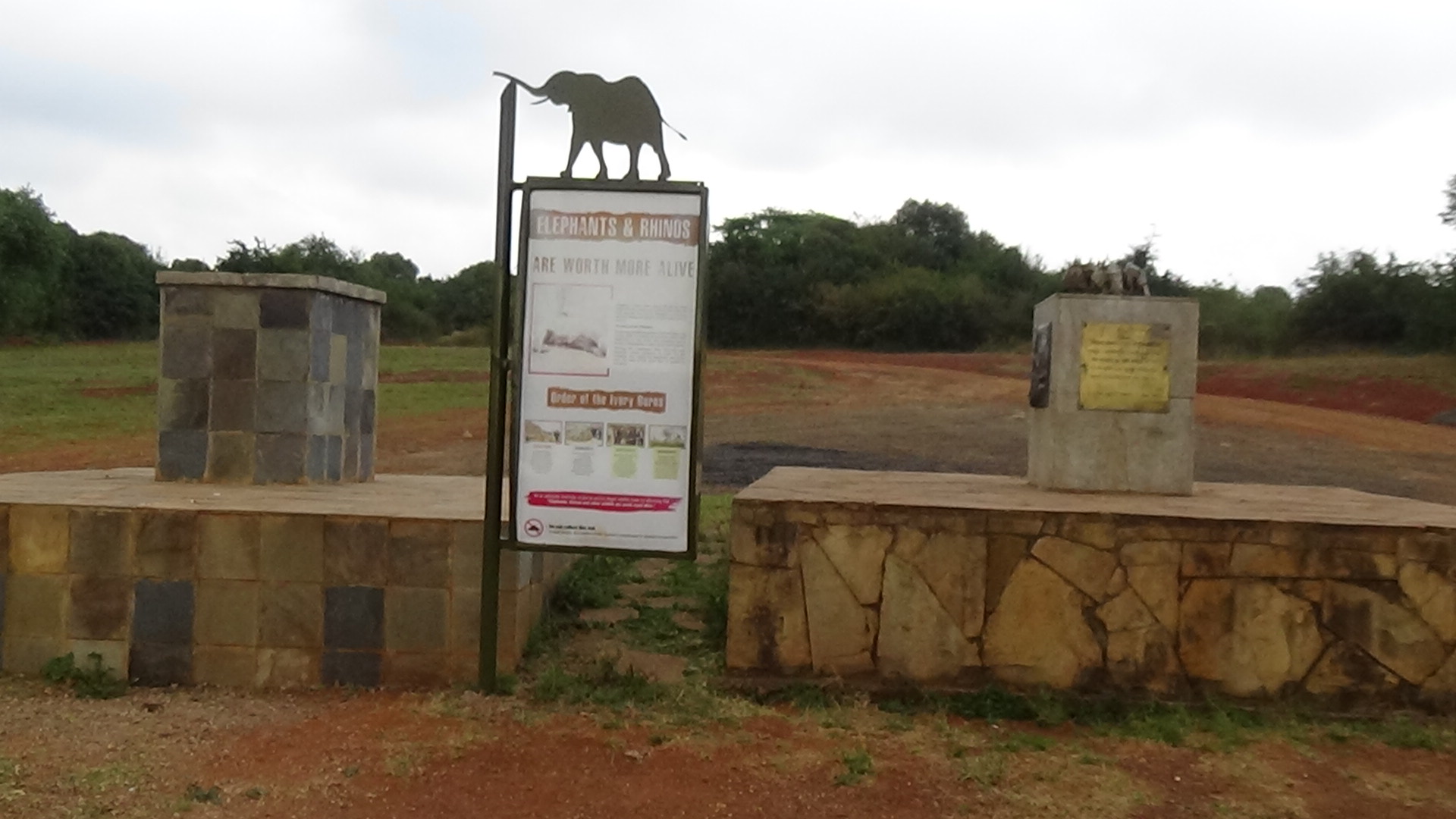
This historic site is found in the Langata part of the park. This serene locale was the stage for a significant moment in history when the Kenyan government publicly demonstrated its stance against the ivory trade by incinerating 12 tons of ivory in 1989. Today, it has been repurposed as a tranquil picnic spot. Here, amidst the flat grasslands that overlook the sprawling cityscape, you can enjoy your picnic. Don't forget to watch out for the zebras that often grace these plains and the secretary birds that can be seen stalking the grasslands for prey.
Impala Picnic Site
Tucked away in the western part of the park, this site is named after the graceful impalas often seen grazing nearby. Shaded by indigenous acacia and wild olive trees, the picnic tables here offer a cool retreat from the sun. As you enjoy your meal, keep your eyes peeled for resident warthogs and the park's wide variety of bird species, including the beautiful superb starling and the striking secretary bird.
Kingfisher Picnic Site
This secluded spot offers a peaceful and intimate picnic experience. Nestled in the central part of the park amongst acacia trees, you can enjoy a tranquil lunch or dinner while spotting some of the park's rich birdlife, including the site's namesake - the kingfisher. This picnic site is also a favorite spot for impalas and gazelles, offering you a wildlife viewing opportunity as you dine.
Mokoyiet Picnic Site
Situated in the southeastern part of the park, this site overlooks the Mokoyiet River and the forested riverbanks that are home to a wide variety of bird species. Here, the gentle sound of the river flowing provides a calming soundtrack for your picnic. The site is also an excellent location for spotting the park's resident monkeys and the occasional grazing antelope.
Hippo Pool
Arguably the most exciting picnic site, Hippo Pool is located in the Athi basin in the southern part of the park. As the name suggests, you can observe hippos wallowing in the pool as you enjoy your picnic. It's not just hippos you can spot here; it's common to see an array of birds, including herons and storks. Plus, the scenic beauty of the Athi River coupled with the acacia-dotted landscape provides an idyllic backdrop for your outdoor meal.
Making the Most of Your Picnic
While preparing for your picnic, remember that single-use plastics are not permitted in the park. Pack your food in reusable containers and carry drinks in non-plastic bottles. Our professional guides will advise you on the best picnic site depending on the time of your visit. Please keep an eye on your food as monkeys in the park have been known to snatch unsuspecting visitors' meals!
Game Drive at the Nairobi National Park
The Nairobi National Park offers a diverse array of picnic sites, each with its unique charm and attractions. These sites provide an unmatched opportunity to connect with nature while enjoying a meal, a combination that leaves an indelible mark on the memory.
Given the emphasis on cleanliness and conservation, it's critical to note that no plastics are allowed in the park. Visitors are urged to "leave no trace" - meaning, bring out what you bring in and leave nothing behind but footprints.
Interested in exploring these serene picnic spots and more? Campo East Africa Safaris’ "1 Day Game Drive at the Nairobi National Park" is exactly what you need. This tour is not just about game viewing; it's about giving you the best experience of Nairobi National Park in a day. Starting with an early morning or afternoon game drive, you'll traverse various terrains, enjoying the park's breathtaking landscapes and diverse wildlife.
We make sure you witness the rich wildlife in their natural habitat against the backdrop of the Nairobi city center skyline. Whether it's the roar of the lion or the swift cheetah chase, the experience is always exhilarating. To enhance your experience, we offer an optional hot picnic breakfast at one of these fantastic sites, complete with sausage/bacon, eggs, baked beans, hash potatoes served with African mixed tea, and assorted fruits.
Our package is inclusive of a tour in a 4 x 4 Toyota LandCruiser and bottled water. And yes, you can choose the picnic site that appeals most to you.
Whether you fancy the historic Ivory Burning Site, the serene Impala and Kingfisher sites, the riverine Mokoyiet site, or the exciting Hippo Pool, we've got you covered. Let Campo East Africa Safaris make your day at the Nairobi National Park memorable. Embark on this journey with us, and let's create beautiful memories together! Visit our package page for more details and make your booking today.
Nairobi National Park is a fascinating gem that uniquely stands out among global national parks. With its close proximity to Kenya's bustling capital city, Nairobi, it holds the title of being the only national park in the world that exists within such proximity to a city center.
Nairobi National Park is an ecological haven, providing a thrilling escape from the city without needing to travel long distances. The Park boasts an array of wildlife, offering visitors the chance to see Africa’s famous 'Big Five' – lions, leopards, rhinos, elephants, and buffalos – among many other species. The star of your visit is undoubtedly the Nairobi National Park Game Drive. The immersive experience provides you with opportunities to see these magnificent animals in their natural habitat, all with the contrasting backdrop of Nairobi's cityscape.
Key Information about Nairobi National Park
One of the frequently asked questions about Nairobi National Park is, "Is Nairobi National Park open on Sundays?" The answer is yes, Nairobi National Park is open all year round, seven days a week, including Sundays and all public holidays. This flexibility ensures you can plan your visit according to your convenience.
Breaking Down Nairobi National Park Packages
The Nairobi National Park offers a variety of tour packages to suit all preferences. You have the option to choose a Tour Van or a Tour-converted Toyota Landcruiser for your game drive. The choice depends on the experience you seek.
A tour van is a budget-friendly option, though it is limited in terms of the terrain it can tackle. The Landcruiser, on the other hand, offers an elevated viewpoint, optimal for viewing wildlife, and can comfortably navigate rocky or muddy terrains. All packages typically include a three-hour game drive, offering an immersive experience in this wildlife-rich ecosystem.
Detailed Look at Nairobi National Park Tour Charges
Now, let's delve into the Nairobi National Park tour charges. The charges vary based on factors such as the type of vehicle you choose and the season of your visit. The Nairobi National Park tour van charges from Nairobi offer an affordable option for those on a budget.
However, if you're after an elevated game viewing experience with greater terrain flexibility, the Nairobi National Park tour van charges 2023 reflect the premium offering of a Landcruiser tour. It's worth noting that although Landcruisers come with a higher price tag, they deliver an exceptional game-viewing experience, justifying the investment.
Nairobi National Park Game Drive Charges 2023
The Nairobi National Park Game Drive charges 2023 are structured to cater to different needs and budget ranges. Charges typically cover vehicle use, guide fees, and park entry fees. It's always recommended to check the current prices before your visit to ensure accurate budgeting.
As we conclude this guide, we hope that you have gained a deeper understanding of the Nairobi National Park tour charges for 2023. Visiting this unique national park offers an experience like no other, allowing you to appreciate Kenya's abundant wildlife against the distinctive backdrop of a city skyline.
Before we sign off, let us introduce you to the Campo East Africa Safaris tour package – the "1 Day Game Drive at the Nairobi National Park". This package includes an early morning or afternoon game drive and a picnic breakfast at the Park. An early morning drive is an exceptional time to view the animals while they are most active, all against the mesmerizing backdrop of the Nairobi city center skyline.
Included in this package are the following:
Up to 6 adults.
Transport in a 4 x 4 Toyota LandCruiser.
Bottled water.
Optional: For morning game drives, a hot Picnic breakfast that includes sausage/bacon, eggs, baked beans, hash potatoes served with African mix tea, and assorted fruits.
You will need to pay park entrance fees which is Kshs 430 per adult and Kshs 215 for children for Kenyan residents and USD 43 per person for non-residents.
For more details and to view fees based on various options, visit our package page. Experience the magic of Nairobi National Park with Campo East Africa Safaris and make unforgettable memories.




Recent Comments